
Pests and Diseases
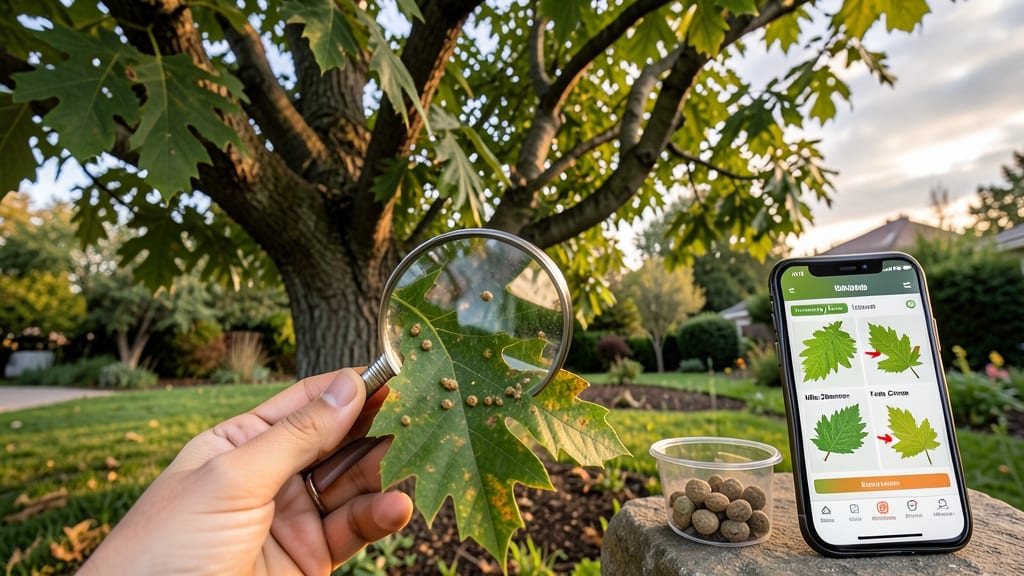
Bumps on pecan tree leaves can turn a healthy harvest into a frustrating mystery—until you know what’s causing them. 🌿 I’ve seen everything from tiny raised spots to large, crusty growths, and each one tells a different story about your tree’s health.
The key is spotting the differences early: fungal bumps are often fuzzy or powdery, while insect damage leaves behind tiny holes or webbing.
Most bumps fall into three categories: fungal infections like pecan scab (dark, velvety spots), insect activity from mites or nut casebearers (tiny bumps with webbing or frass), or even environmental stress causing blister-like growths.
The good news? Each has a targeted solution—whether it’s pruning infected branches, applying neem oil, or adjusting watering habits. I’ve learned that acting fast prevents these bumps from spreading to the nuts.
By the end of this guide, you’ll know exactly how to inspect your tree, what treatments work best for each type of bump, and how to keep your pecans thriving.
No more guessing—just clear steps to restore those leaves and protect your harvest. Let’s get started with the identification tips that make all the difference.
If your tree’s bumps persist after treatment or spread aggressively, it’s time to call in a professional arborist. Some issues, like advanced fungal infections or severe infestations, need expert care to save your tree.
But for most home gardeners, a little knowledge and timely action go a long way toward keeping those leaves—and nuts—bump-free.
Underlying Causes Explained
When you spot those mysterious bumps on pecan tree leaves, they’re rarely a random quirk of nature—they’re usually a sign of an underlying issue. Understanding the root causes helps you take targeted action before the problem spreads.
Below, we break down the most common triggers, from environmental stressors to tiny invaders, with the science behind each one.
Pecan trees thrive in warm climates, but extreme heat—especially combined with dry, windy conditions—can cause leaves to develop small, raised bumps or blisters. This happens because:
- Transpiration overload: When temperatures soar, leaves lose moisture faster than roots can replace it. Cells swell unevenly, creating water-soaked blisters that harden into bumps.
- UV damage: Intense sunlight breaks down leaf wax layers, leading to sun scorch—visible as pale, puckered spots or raised areas.
- Nutrient imbalance: Heat stress disrupts nutrient uptake, weakening cell walls and making leaves more susceptible to physical deformation.
💡 Pro Tip: If bumps appear after a heatwave, check the underside of leaves for yellowing or browning. Mulch heavily and water deeply at dawn to reduce stress.
Tiny pests are the #1 culprit behind bumps on pecan leaves. Each leaves distinct marks:
| Pest | Bump Type | Why It Happens |
|---|---|---|
| Pecan Phylloxera (aphid-like) | Small, greenish-yellow galls on leaf undersides | Larvae inject saliva into leaf tissue, triggering abnormal cell growth to form protective galls. Heavy infestations stunt photosynthesis. |
| Spider Mites | Tiny, silver or bronze speckles (later turn into stippled bumps) | Mites pierce cells to feed on sap, causing chlorotic spots (white/yellow bumps) as leaves struggle to repair damage. |
| Scale Insects | Raised, brown or black crusty bumps (like waxy scales) | Adults anchor to leaves and suck sap, while nymphs secrete honeydew—a sticky residue that distorts leaf surfaces. |
🔥 Action Step: Inspect leaf undersides with a magnifying glass. If you see webbing (mites) or waxy shells (scale), treat with neem oil or insecticidal soap before eggs hatch.
Fungal spores thrive in moist, humid conditions, causing bumps that range from puffy pustules to dark, sunken lesions. Here’s how they work:
- Pecan Rust (Cronartium spp.): Bright orange-yellow pustules on leaf undersides release spores that infect nearby trees. The fungus forces leaf cells to overproduce tissue around infection sites, creating bumps.
- Anthracnose (Gloeosporium spp.): Dark, raised blisters with reddish-brown margins appear when spores land on wet leaves. The fungus blocks nutrient flow, causing localized cell death and bump formation.
🌡️ Prevention Tip: Fungus loves afternoon moisture. Water early in the day and prune for airflow. If infected, remove heavily blemished leaves and apply copper fungicide.
Pecan trees are sensitive to salt buildup from fertilizers or herbicide drift. When leaves absorb excess chemicals:
- Cell membrane damage: High salt concentrations disrupt osmosis, causing cells to swell abnormally and form crusty or glassy bumps.
- Nutrient toxicity: Over-applying nitrogen or phosphorus leads to leaf curling and puffy, discolored bumps as cells overcompensate.
- Herbicide injury: Drift from glyphosate or 2,4-D can cause blistered, raised lesions as the plant’s defense mechanism.
✨ Fix It: Flush soil with water to dilute salts, and avoid fertilizing until new growth appears. If herbicide is suspected, test soil pH—aim for 6.0–7.0 for pecans.
Most bumps on pecan leaves are fixable once you know the cause. Start with a close-up inspection—leaf color, texture, and location of bumps are your best clues. Need help narrowing it down? Check our pest vs. disease guide next!
Quick Fixes for Leaf Bumps Now
If your pecan tree’s leaves are developing unsightly bumps, don’t panic—most issues are treatable with the right approach. Below, we map common causes to practical solutions, from organic remedies to chemical interventions. Follow these steps to restore your tree’s health and prevent future outbreaks.
If the bumps are powdery mildew or rust spots, act fast to stop the spread.
- 🔥 Remove infected leaves: Prune and dispose of heavily affected foliage (don’t compost it—bag and trash it). Focus on lower branches first, where humidity traps spores.
- 🍳 Homemade fungicide spray: Mix 1 tbsp baking soda + 1 tsp dish soap + 1 gallon water. Spray undersides of leaves (where spores hide) every 7–10 days until new growth appears.
- 👨🍳 Store-bought options: Use neem oil (1% concentration) or copper fungicide. Apply in the early morning to avoid burning leaves.
- ⏰ Prevention tip: Improve airflow with thinning dense branches and water at the base (not overhead) to keep leaves dry.
Bumps caused by aphids, scale insects, or mites require a two-pronged attack: disrupt their life cycle and starve them out.
| Pest | Fix | Prevention |
|---|---|---|
| 🐜 Aphids |
|
Plant marigolds nearby to repel aphids naturally. |
| 🛡️ Scale Insects |
|
Inspect trees monthly during growing season for early signs. |
| 🕷️ Spider Mites |
|
Avoid over-fertilizing with nitrogen—it stresses trees and attracts mites. |
If bumps are due to nutrient deficiencies or weather damage, focus on long-term tree health.
- 📊 Soil test first: Send a sample to your local Cooperative Extension Service (costs ~$15–$25). Adjust pH and nutrients based on results—pecan trees thrive in slightly acidic soil (pH 6.0–7.0).
- 💪 Fertilize smartly:
- Use a balanced fertilizer (e.g., 10-10-10) in early spring.
- For zinc/magnesium deficiencies, apply chelated micronutrients (follow package rates).
- 🌧️ Mulch properly: Spread 3–4 inches of organic mulch (wood chips or pine straw) around the base, but keep it 6 inches away from the trunk to prevent rot.
- ✨ Mulch hack: Add compost to mulch annually to slowly release nutrients.
Pro tip: Always water deeply (1–2 inches per week) but infrequently to encourage deep root growth. Shallow watering stresses trees and makes them vulnerable to pests.
Frequently asked questions
What do small greenish-yellow bumps on the undersides of pecan leaves mean?
Those are likely signs of pecan phylloxera, a sap-sucking insect that triggers abnormal cell growth. The bumps are actually protective galls where larvae develop. Check for sticky honeydew residue too—this pest thrives in warm, dry conditions and can severely reduce photosynthesis if untreated.
Are brown crusty bumps on pecan leaves harmful?
Yes, those crusty brown or black bumps are almost always scale insects anchoring to your tree. They suck sap and secrete honeydew that attracts sooty mold. Scrape them off with a plastic scraper or treat with horticultural oil during dormant season to break their life cycle.
Why do my pecan leaves have orange-yellow pustules?
Those bright orange-yellow pustules indicate pecan rust fungus, which forces leaf cells to overproduce tissue around infection sites. The fungus spreads via spores released from these bumps, so remove infected leaves immediately and apply copper fungicide. Prune for better airflow to prevent recurrence.
Can heat stress cause bumps on pecan leaves?
When pecan trees experience extreme heat combined with dry winds, leaves develop water-soaked blisters that harden into bumps. This happens because cells swell unevenly when transpiration outpaces moisture uptake. Mulch heavily and water deeply at dawn to reduce stress.
Will removing bumpy leaves help my pecan tree?
Yes, but only if the bumps are from fungal infections or severe pest damage. For fungal issues like anthracnose, remove and destroy infected leaves to prevent spore spread. For pests, focus on treatment first—removing leaves alone won't stop the infestation. Always prune during dry weather to avoid spreading spores.