
Propagation
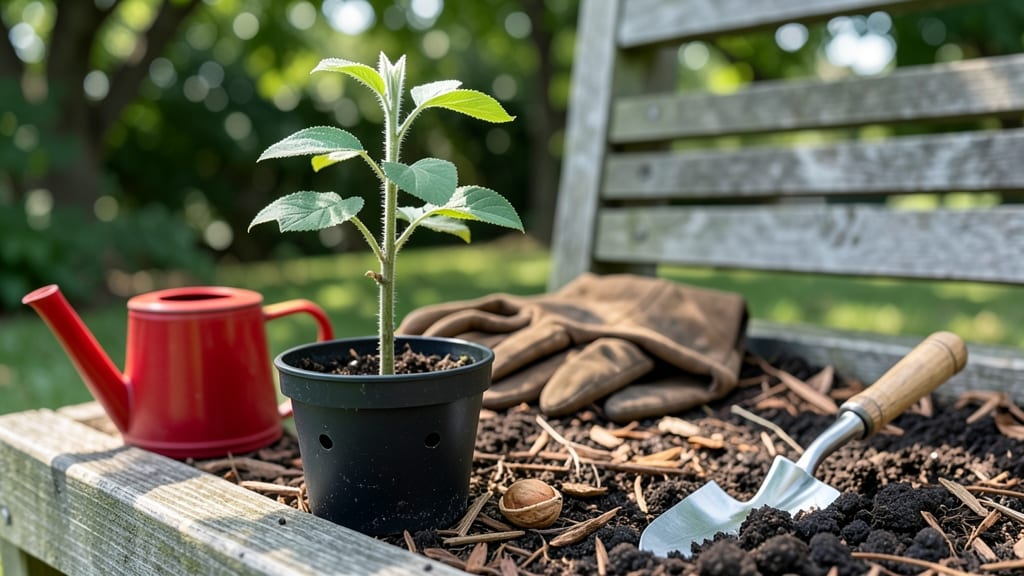
You can start a peach tree from a pit, though the process requires patience and yields unpredictable results since seed-grown trees rarely produce fruit identical to the parent. Begin by soaking the pit overnight, then plant it in well-draining soil while maintaining consistent moisture—success rates depend heavily on variety and environmental conditions.
Growing a peach tree from a pit taps into nature's own propagation method, but with a twist: the resulting tree may take 5-10 years to bear fruit, if ever. 🌱 The genetic lottery means your new tree could produce smaller peaches, different colors, or even no fruit at all compared to the original.
For best results, collect pits from freestone varieties like Elberta or Redhaven, which tend to germinate more reliably than clingstone types. I've found that combining the pit's natural cold stratification with a 30-day refrigerator treatment before planting boosts success rates significantly.
Once sprouted, young seedlings need full sun exposure and protection from harsh winds, as their delicate stems can snap easily. Regular pruning helps direct energy toward root development during the first critical years.
While the journey is unpredictable, there's undeniable satisfaction in nurturing a tree from something as simple as a peach pit—especially when you consider how most commercial peach trees come from grafted nursery stock.
💡 In This Article
- How Peach Pit Germination Works: Science Behind the Process
- Step-by-Step Guide to Germinating Peach Pits for Home Gardeners
How peach pit germination works: science behind the process
Peach pits enter a natural state of dormancy to survive harsh conditions, a survival mechanism called seed dormancy. This process involves two key phases: endogenous dormancy (internal chemical signals) and exogenous dormancy (external environmental factors like cold).
The pit's hard outer shell protects the embryo inside, but without proper stratification—a cold treatment mimicking winter—the seed won't break dormancy. 🌱 Most peach pits require 60-90 days at 34-40°F to trigger germination hormones like gibberellins, which signal the embryo to grow.
The genetic variation you see in seed-grown trees comes from sexual reproduction. Unlike grafted trees (which are clones of parent varieties), seed-grown trees combine DNA from both parent plants.
This means your tree might produce peaches with different sizes, flavors, or even colors—think of it like nature's version of a genetic experiment. For example, a seed from a Redhaven peach might grow into a tree bearing yellow fruit with red blush instead of the original's deep red hue.
This unpredictability is why commercial growers rely on grafting instead.
Root development begins when the radicle (embryonic root) emerges first, followed by the shoot. The taproot grows rapidly downward, anchoring the seedling while absorbing water and nutrients. In ideal conditions, the first true leaves appear within 4-8 weeks after sprouting.
However, peach seeds are particularly sensitive to ethylene gas (a plant hormone that can inhibit growth), which is why proper ventilation during stratification is crucial. 🌿 Without it, you might see stunted growth or even failed germination entirely.
Environmental factors play a huge role in germination success. Peach pits thrive in well-draining, slightly acidic soil (pH 6.0-6.5), as waterlogged conditions cause rot. The seedling's first year is critical—it needs 6-8 hours of sunlight daily to develop strong stems and leaves.
Interestingly, peach trees grown from pits often take 3-5 years to flower and 5-10 years to bear fruit, compared to 2-3 years for grafted trees. This delayed fruiting is due to the tree's focus on establishing a robust root system before allocating energy to fruit production.
One fascinating aspect is how temperature fluctuations affect germination. While the pit needs cold for dormancy breaking, the soil temperature during planting should be 60-70°F for optimal root growth.
Too cold (50°F) slows metabolism, while too hot (>80°F) can cause the seed to dry out or rot.
This is why spring planting (after last frost) is ideal—it balances warmth and moisture without risking heat stress. 🌡️ Understanding these temperature thresholds helps explain why some gardeners see faster germination in controlled environments like seed-starting trays versus direct outdoor planting.
Finally, the pit's moisture content matters. Freshly harvested pits have 10-15% moisture, but this drops quickly if left exposed. Soaking the pit overnight (24 hours) rehydrates it, but over-soaking can lead to mold.
The key is to find that sweet spot where the pit absorbs enough water to soften slightly but doesn't become mushy. This pre-treatment mimics natural spring rains, which signal the seed that conditions are right to germinate. 💧