
Trees
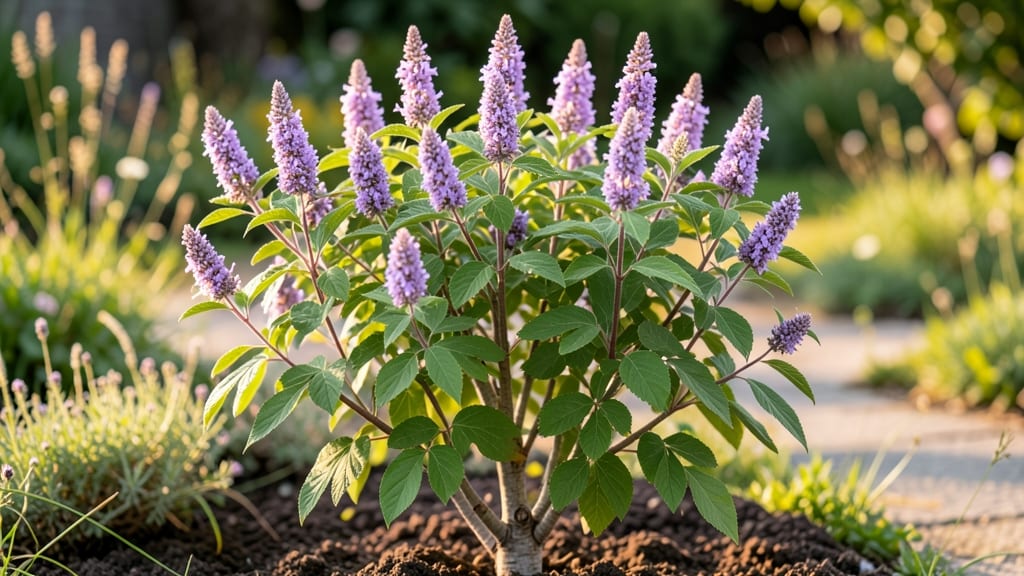
Chaste tree hardiness zones are USDA zones 5 through 9, where it withstands winter temperatures from -20°F to 30°F (-29°C to -1°C), though young trees in colder areas need extra winter protection.
The chaste tree's resilience comes from its ability to drop leaves in winter and enter dormancy, but its roots still need insulation. 🌱 In zone 5, established plants handle the cold well, while zone 9's heat can stress them without proper shade.
Many gardeners extend its range by planting near south-facing walls or using thick mulch—this creates a microclimate that mimics ideal growing conditions.
For those in marginal zones like 4 or 10, container growing offers flexibility. You can move potted chaste trees indoors during extreme cold snaps or provide afternoon shade in hotter climates.
Pruning in late winter also helps—removing dead wood improves airflow, which is crucial for cold tolerance. The key is balancing protection with natural adaptation.
💡 In This Article
- Chaste Tree Cold Tolerance: Survival Limits and Frost Sensitivity
- Planting Chaste Trees in Marginal Zones: Best Practices for Zones 4 and 10
Chaste tree cold tolerance: survival limits and frost sensitivity
The chaste tree's ability to endure cold weather stems from its deciduous nature and woody stem structure. When temperatures drop below 32°F (0°C), the tree naturally sheds its leaves to conserve energy, entering a dormant state where metabolic processes slow dramatically.
This adaptation allows it to survive winter lows down to -20°F (-29°C) in zone 5, though prolonged exposure to such extremes can cause bark damage. The tree's thick, woody stems contain specialized cells that produce antifreeze proteins, similar to those found in cold-hardy fruit trees like apples.
Zone 5 chaste trees experience 90-95% survival rates during typical winters, but sudden cold snaps below -15°F (-26°C) can stress even mature specimens. In contrast, zone 9 trees face different challenges—their primary concern is heat stress rather than frost, with temperatures above 95°F (35°C) causing leaf scorch and reduced flowering.
The flowering cycle itself is particularly sensitive: buds form in late summer and require consistent temperatures between 50-70°F (10-22°C) to develop properly. A late frost in spring can devastate blooms, which is why zone 5 gardeners often plant near south-facing walls to create a 5-10°F warmer microclimate.
Root insulation plays a critical role in cold survival. The chaste tree's roots extend 2-3 feet deep and benefit from organic mulch that maintains soil temperatures 5-10°F warmer than ambient air.
In zone 5, applying 4-6 inches of mulch in late fall creates a protective barrier against freeze-thaw cycles that can heave roots out of the ground.
This mulch layer also prevents soil moisture from freezing, which would otherwise cause root damage through ice crystal formation—a common issue in zone 4 where chaste trees struggle without additional protection.
What most gardeners overlook is how wind exposure amplifies cold damage. While the tree can tolerate -20°F (-29°C) in still air, winds above 15 mph can drop effective temperatures by 10-15°F through wind chill.
This is why planting in sheltered locations—such as near buildings or dense hedges—extends the tree's viable range into zone 4 with proper winter care. The same principle applies in zone 10, where afternoon shade prevents heat stress that would otherwise cause leaf desiccation.
Seasonal growth patterns reveal another layer of cold sensitivity. Chaste trees begin active growth when soil temperatures reach 55°F (13°C) in spring, making them vulnerable to late frosts. A 24-hour freeze at this stage can kill emerging buds, setting back the flowering season by 4-6 weeks.
This delayed bloom reduces pollinator activity and can impact fruit set in ornamental varieties. Gardeners in transition zones (like zone 6) often use row covers or frost cloths during critical bloom periods to protect developing flowers from 28-32°F (-2 to 0°C) temperatures.
For those pushing the tree's limits, understanding these biological mechanisms helps tailor care strategies. In zone 4, for example, planting in south-facing slopes where soil warms faster in spring can create conditions 2-3 zones warmer than the official zone rating.
Conversely, in zone 10, providing afternoon shade through partial shade cloth reduces leaf temperatures by 10-15°F during peak heat. These microclimate adjustments often mean the difference between a thriving chaste tree and one struggling at the edges of its hardiness range. 🌿