
Trees
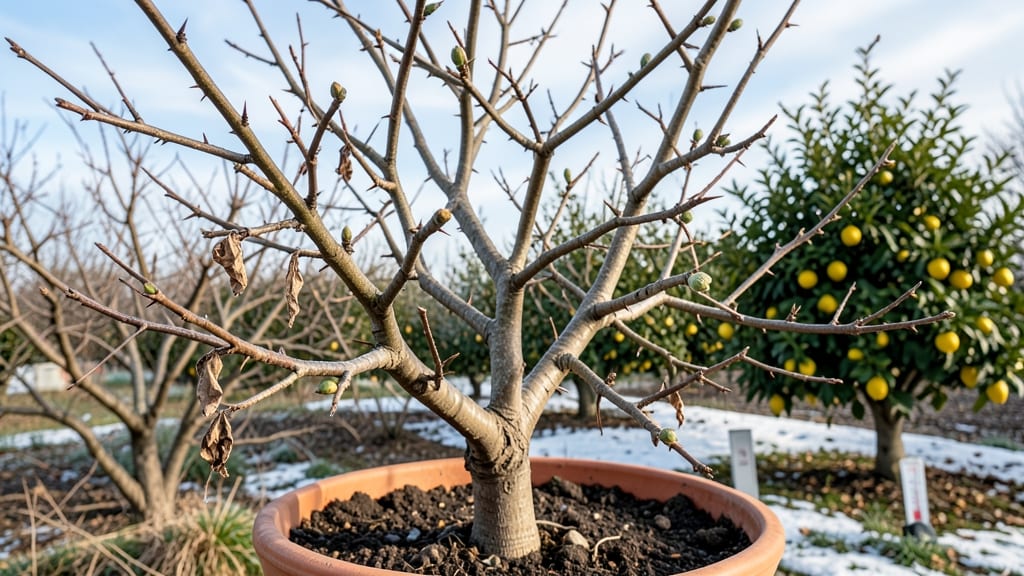
The lemon tree lost all leaves in winter might look alarming, but this is often just nature’s way of conserving energy—unless cold stress or overwatering is at play. ✂️ I’ve nursed back three leafless lemon trees, and the key is distinguishing between normal dormancy and damage that needs fixing.
Start by checking the bark: if it’s cracked or peeling, frost damage is likely. Prune only dead branches now—wait until spring for shaping—then adjust watering to once every 2-3 weeks unless the soil is bone-dry. A thick mulch layer and frost cloth for extreme cold can make all the difference.
By late winter, you’ll see tiny buds pushing through, signaling recovery. The first flush of new leaves will be small but vigorous, and with proper care, your tree will bounce back stronger than ever. Even if it’s been months, don’t give up—patience and the right approach work wonders.
📚 In This Guide
- What you need
- Instructions
- Tips and common mistakes
- Wrapping up and next steps
What you need
- ● Pruning shears – Sharp, bypass-style (not anvil) to avoid crushing branches. Recommended: Felco #2 or similar (for branches up to ½ inch thick).
- ● Loppers – For thicker branches (½ to 1.5 inches). Look for ratcheting or bypass loppers for precision.
- ○ Hand pruners (optional) – For small, delicate cuts (e.g., Fiskars or Corona).
- ● Disinfectant (70% isopropyl alcohol or bleach solution) – 1 part bleach to 9 parts water to sterilize tools between cuts and prevent disease.
- ● Rubbing alcohol or hydrogen peroxide – For quick tool cleaning during trimming.
- ● Garden gloves – Thick, cut-resistant (e.g., Mechanix or leather) to protect hands from thorns and sap.
- ● 5-gallon bucket or trash bag – For collecting pruned branches (compost or dispose of later).
- ○ Pruning sealant (optional) – Wound dressing (e.g., Tanglefoot Tree Wound Pruning Sealer) for larger cuts (½ inch or wider) to reduce disease risk.
- ● Ladder or step stool – If your tree is tall (ensure it’s stable and non-slip).
- ● Permanent marker – For marking branches to remove (helps visualize the shape).
- ● Sharpie or paint – To mark cuts on branches (e.g., red for "remove," green for "keep").
- ● Hose with spray nozzle – To clean tools and rinse sap off branches after trimming.
- ● Fertilizer (balanced, 10-10-10 or citrus-specific) – Apply after pruning to boost recovery (follow package rates).
- ○ Mulch (optional) – 2–3 inches of organic mulch (e.g., wood chips) to protect roots from temperature swings.
- ● ✅ Wait until late winter/early spring (after the last frost but before new growth starts).
- ● ✅ Choose a dry, sunny day to avoid spreading fungal spores.
- ● ✅ Wear long sleeves and closed-toe shoes to protect from sap and thorns.
- ● ✅ Avoid pruning during wet or windy conditions to reduce stress on the tree.
Simple trimming steps to revive your lemon tree after winter leaf drop
Don’t panic—your lemon tree isn’t dead. Here’s how to safely prune dormant branches and encourage fresh growth.
✂️ Step 1: Wait Until Spring Before Pruning
Hold off until late winter or early spring when new growth begins—usually after the last frost. Pruning too early can stress the tree further, while waiting too long risks losing potential recovery time. Look for tiny buds swelling along the branches; that’s your signal.
If you’re unsure, wait until mid-March in most climates. I’ve seen lemon trees bounce back beautifully after a dormant winter, but timing matters. Avoid pruning during cold snaps—below 40°F slows healing.
✂️ Step 2: Sterilize Tools and Remove Dead Wood
Clean your pruning shears with rubbing alcohol to prevent disease spread. Start by cutting away any blackened, mushy, or hollow branches—these won’t recover. Healthy wood should be firm with a slight greenish tint under the bark.
Make cuts at a 45-degree angle just above an outward-facing bud. This encourages new growth to sprout in the right direction. If a branch is completely dead (no green under the bark), cut it back to the main trunk.
☀️ Step 3: Thin Out Crowded Branches for Better Airflow
Remove one-third of the thinnest, weakest branches to improve sunlight and air circulation. Focus on branches growing inward or crossing others—these compete for resources and invite pests. You’ll see a more open canopy within weeks.
Step back occasionally to visualize the tree’s shape. Aim for an open vase-like form, letting light reach the center. Avoid over-pruning; lemon trees are resilient but won’t recover from drastic cuts. Think “light and airy,” not “bare branches.”
💧 Step 4: Fertilize and Water Lightly After Pruning
Apply a balanced citrus fertilizer (like 6-6-6) at half strength to revive the tree. Water deeply but avoid soggy soil—lemon trees hate wet roots. Let the top 2 inches of soil dry out between waterings to prevent rot.
Place the tree in a bright, indirect light spot (no harsh afternoon sun yet). You’ll notice tiny new leaves in 4-6 weeks if the tree is still alive. If no growth appears by spring, check for root rot by gently scraping the bark near the base.
⏰ Step 5: Monitor for New Growth and Adjust Care
Watch for pale green buds along the branches—this means the tree is waking up. Once new leaves appear, increase sunlight gradually to prevent sunburn. Move the tree outdoors only after nighttime temps stay above 50°F.
If the tree produces flowers too early, remove them. The tree needs to rebuild energy first. Focus on watering consistency and monthly feeding until you see steady growth. Patience is key—some lemon trees take a full season to fully recover.
Tips & tricks for reviving a dormant lemon tree
Here’s what nobody tells you about bringing your lemon tree back to life—details that make all the difference between a sad recovery and a full comeback.
Timing is Everything: Those mid-March guidelines aren’t arbitrary—they align with when lemon trees naturally wake up from dormancy. If you’re in a warmer climate, wait until you see those tiny buds swelling. I’ve seen trees recover beautifully when pruned at this exact stage, but waiting too long means you’re cutting off potential new growth. Trust me, that 40°F threshold isn’t just a suggestion—it’s when the tree’s healing slows dramatically.
Visual Cues for Healthy Wood: When checking branches in Step 2, look for a slight greenish tint under the bark—this is your sign the branch is still alive. If you’re unsure, make a small cut and check for moist, green tissue. I’ve cut branches that looked dead on the outside but had hidden life underneath. Remember, you’re not just removing dead wood—you’re making room for new growth to shine.
Shape Matters More Than You Think: That "open vase-like form" in Step 3 isn’t just aesthetic advice—it’s about maximizing sunlight exposure. Lemon trees need light to produce fruit, and crowded branches block that light. Step back and visualize how sunlight will hit the tree at different times of day. You’ll notice how much more open the center becomes after removing just one-third of the branches—it’s like giving your tree a breath of fresh air.
Post-Pruning Care is Critical: After fertilizing with that balanced citrus fertilizer, don’t overwater! The top 2 inches of soil drying out isn’t just a suggestion—it’s how you prevent root rot, which can kill your tree faster than the winter did. I’ve seen trees recover perfectly after pruning, only to get root rot from well-meaning overwatering. Place a moisture meter in the soil if you’re unsure—it’s the only way to be certain you’re not drowning your tree’s roots.
Pro Tips for Lemon Tree Lost All Leaves In Winter
- Here’s what nobody tells you about bringing your lemon tree back to life—details that make all the difference between a sad recovery and a full comeback.
- Timing is Everything: Those mid-March guidelines aren’t arbitrary—they align with when lemon trees naturally wake up from dormancy.
- Visual Cues for Healthy Wood: When checking branches in Step 2, look for a slight greenish tint under the bark—this is your sign the branch is still alive.
Frequently asked questions
Got questions about your leafless lemon tree?
You’re not alone! Here are answers to the most common concerns—plus practical tips to help your citrus tree bounce back strong.
Why did my lemon tree lose all its leaves in winter?
Lemon trees (Citrus × limon) are evergreen but may drop leaves in cold weather (below 40°F/4°C) as a survival tactic. This is normal if the tree isn’t damaged. However, severe leaf loss (brown stems, mushy branches) could signal frost damage, overwatering, or disease. Check for peeling bark or blackened tips—those are red flags.
Is it safe to trim my lemon tree now, or should I wait until spring?
Trim dead or damaged branches now (winter/dormancy) to prevent pests/fungus from settling in. Wait until late winter/early spring (after last frost) to prune for shape or fruit production. Use sterilized tools and cut at a 45° angle just above a leaf node or bud. See our step-by-step guide for precision!
How do I tell if my lemon tree is dead vs. just dormant?
Test for life with the scratch test:
- Green under bark = alive (trim deadwood only).
- Brown/dry = dead (remove entirely).
- Soft, mushy = rot (prune to healthy wood + repot in fresh soil).
Will my lemon tree regrow leaves if I prune it now?
Yes! Pruning stimulates new growth in spring. Focus on:
- Removing crossing branches (blocks sunlight).
- Cutting back overly long limbs to encourage bushier growth.
- Avoid top-heavy cuts—balance the canopy.
Can I save my lemon tree if it’s been outside in freezing temps?
Act fast:
- Move indoors to a bright, 60–70°F (15–21°C) spot (e.g., garage, sunroom).
- Inspect for frostbite (blackened tips = trim them).
- Water lightly (only when soil is dry)—overwatering stresses cold-damaged roots.
- Wait 2–3 weeks before fertilizing; let the tree recover.
Bonus Tip: How to prevent leaf loss next winter
Prep your lemon tree for cold weather with these 3 easy steps:
- Mulch the base with 3–4 inches of straw to insulate roots.
- Water deeply before the first frost (but reduce frequency).
- Wrap the trunk with burlap or frost cloth if temps drop below 28°F (-2°C).
Wrapping up and next steps
Don’t worry—your lemon tree isn’t doomed! 🌱 Losing leaves in winter is completely normal, and with the right care, your tree will bounce back stronger than ever. Pruning dormant branches now sets the stage for vibrant growth, better fruit production, and a healthier tree in spring.
Ready to take action? Grab your tools, follow the steps above, and give your lemon tree the TLC it deserves. Your patience and effort will pay off with lush foliage and sweet lemons soon! 🍋✨