
How To
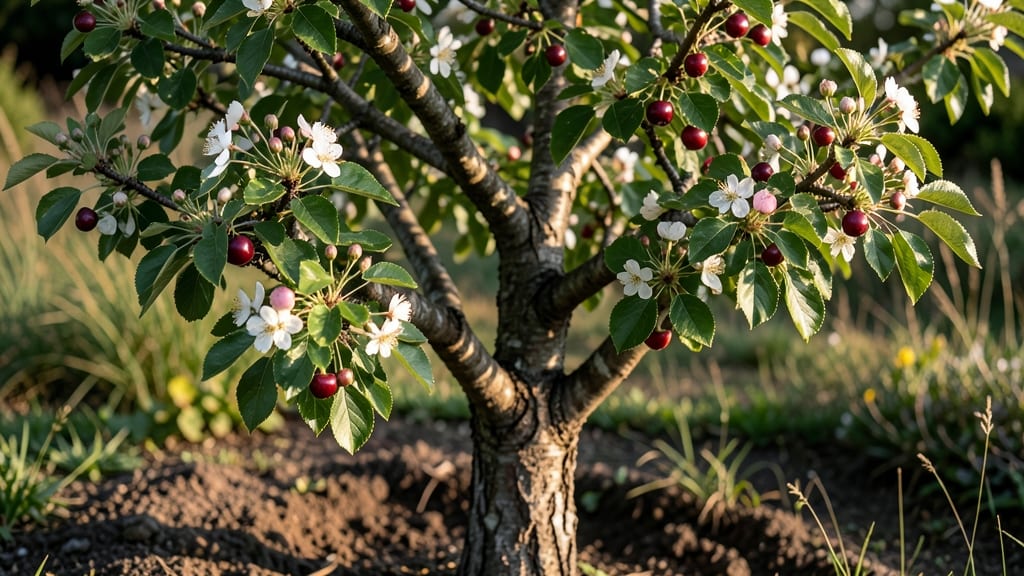
A cherry tree typically takes 2 to 6 years to fruit, but the fastest varieties can surprise you with sweet 🍒 harvests in just 1-3 years—if you know the right tricks.
Picture this: You’ve just planted your cherry tree in spring, dreaming of summer snacks, only to hear gardeners say, "Be patient—it’s a slow grower." But what if I told you some varieties fruit in half that time with the right care?
The key lies in choosing the right variety—sweet cherries often fruit faster than tart ones—and giving your tree the perfect start with well-draining soil, pruning, and a little pollination help.
In this guide, I’ll break down the fastest fruiting varieties, share proven tips to speed up the process, and debunk the myths holding back your harvest.
How long different cherry tree varieties take to fruit (fastest to slowest)
If you're eagerly waiting for your cherry tree to produce fruit, timing varies dramatically by variety and care practices. Some dwarf varieties can bear fruit in just 1-3 years, while standard sweet cherries may take 4-6 years to reach maturity.
Understanding these timelines helps set realistic expectations and optimize your tree's growth.
The key factors influencing fruiting speed include tree variety, climate conditions, and proper care. For example, tart cherries often fruit faster than sweet cherries due to their hardier nature. Meanwhile, dwarf varieties are bred for quicker fruiting, making them ideal for small gardens or containers.
Here’s a detailed breakdown of cherry tree fruiting timelines from fastest to slowest, including the best varieties for each category:
| Variety Type | Fruiting Time | Best Varieties | Key Factors |
|---|---|---|---|
| Dwarf Sweet Cherries | 1-3 years | Stella®, Lapins®, Compact Stella | Compact growth, bred for early fruiting |
| Tart Cherries | 3-5 years | Montmorency, Meteor, Stella® Tart | Hardier, faster establishment in cooler climates |
| Semi-Dwarf Sweet Cherries | 3-4 years | Rainier, Bing, Sweetheart | Balanced size, moderate fruiting speed |
| Standard Sweet Cherries | 4-6 years | Lambert, Stella® Standard, Black Republic | Slower growth, larger canopy, later fruiting |
Climate plays a critical role in fruiting speed. Cooler climates (USDA Zones 5-7) often see faster fruiting in tart cherries, while warmer zones (8-10) may delay fruiting in sweet cherries due to heat stress. Always choose cold-hardy varieties for your region to avoid setbacks.
Proper soil preparation can shave off months—or even years—from the fruiting timeline. Amend your soil with compost and organic matter before planting to ensure nutrient-rich roots. A well-draining, slightly acidic soil (pH 6.0-6.5) is ideal for cherry trees, promoting faster establishment and earlier fruit production.
Watering strategies also impact fruiting speed. Deep, infrequent watering encourages root development, while shallow watering can stress the tree and delay fruiting. Aim for 1-2 inches of water per week during the first 2 growing seasons, tapering off as the tree matures.
Pruning young cherry trees correctly can accelerate fruiting by redirecting energy toward fruit production. Focus on removing dead or crossing branches and thinning the canopy to improve airflow. Avoid heavy pruning in the first 2 years, as this can stress the tree and delay fruiting.
Pollination is another often-overlooked factor. Most sweet cherries require 2 different varieties for cross-pollination, while tart cherries are often self-fertile. Planting a pollinizer tree within 50 feet of your main cherry tree ensures better fruit set and faster yields.
With the right variety selection, climate adaptation, and care practices, you can enjoy cherries in as little as 1-3 years. For faster results, prioritize dwarf varieties and create optimal growing conditions from day one.
5 Proven tips to make your cherry tree fruit faster (without compromising health)
If you've planted a cherry tree hoping for quick fruit, you're not alone! Most varieties take 2-6 years to bear fruit, but with the right strategies, you can cut that timeline by up to 50%.
The key is balancing growth and fruiting—pushing too hard can weaken your tree. Let’s dive into 5 science-backed tips to get those cherries faster while keeping your tree healthy and strong.
First, focus on pruning for fruit production. Many gardeners prune to shape the tree, but strategic cuts can boost flowering and fruiting. Thin out crowded branches to improve air circulation and sunlight penetration—this encourages more fruit buds to form.
Aim to remove 20-30% of the canopy during late winter or early spring, just before new growth begins.
Next, pay attention to soil nutrition. Cherry trees thrive in well-draining, slightly acidic soil (pH 6.0-6.5). If your soil lacks organic matter, amend it with compost or well-rotted manure before planting.
A balanced fertilizer (10-10-10) applied in early spring and after harvest will provide the nutrients needed for fruit development without overfeeding, which can delay fruiting.
- 1. Prune for fruit: Thin branches to 20-30% of canopy in late winter to encourage flowering buds and improve sunlight exposure.
- 2. Boost soil health: Amend soil with compost and use balanced fertilizer (10-10-10) in spring and post-harvest to avoid nitrogen overload.
- 3. Water deeply: Provide 1-2 inches of water weekly during growing season, focusing on root zone to prevent stress.
- 4. Protect from winter damage: Wrap the trunk with tree guard and mulch heavily to prevent cold stress, which can delay fruiting.
- 5. Hand-pollinate if needed: If your tree lacks bees, use a paintbrush to transfer pollen between flowers for better fruit set.
Don’t overlook watering schedules, especially during fruit development. Cherry trees need consistent moisture, but soggy roots can cause problems. Water deeply 1-2 times per week during the growing season, focusing on the root zone.
Avoid wetting the leaves to prevent fungal diseases like cherry leaf spot, which can stress the tree and delay fruiting.
Winter protection is another critical factor for faster fruiting. Young cherry trees are vulnerable to cold damage, which can weaken the tree and push back fruiting. Wrap the trunk with tree guard or burlap to protect it from sun scald and temperature swings.
Apply a 4-6 inch layer of mulch around the base (but not touching the trunk) to insulate the roots and retain moisture.
Finally, if your cherry tree isn’t producing enough fruit, it might need a pollination boost. Many varieties are self-pollinating, but cross-pollination with another variety can double fruit production.
If bees aren’t visiting, use a soft paintbrush to transfer pollen from flower to flower in the morning when blooms are open. This simple trick can increase fruit set by up to 40% in some cases.
With these 5 proven tips, your cherry tree will be on track to fruit faster—without sacrificing its long-term health. Patience is key, but combining these strategies can shave years off the waiting period. Happy gardening! 🌱