
Pruning
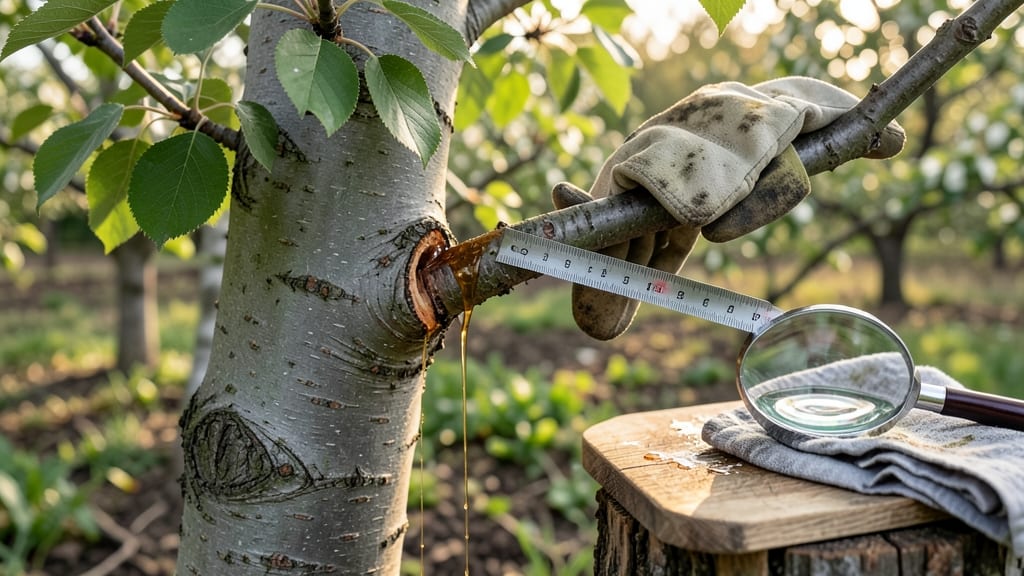
Your cherry tree’s leaking sap isn’t just messy—it’s a warning sign. 🌿 Whether it’s sticky drips or dark, crusty patches, this flow means your tree is under stress, possibly from bacterial canker, insects, or even winter damage.
The good news? You can stop it before it spreads and save your tree with the right steps.
Most sap leaks start with small cracks or wounds where bacteria or pests gain entry. You’ll often see oozing sap paired with dead branches, cankers (sunken, cracked bark), or leaf wilting.
Ignoring it lets infections spread, but catching it early means you can prune out infected areas and protect the rest of the tree.
First, remove any leaking branches at least 6 inches below the damaged area using clean, sharp pruners. Then, seal the cuts with pruning paint to prevent further infection. For bacterial canker, a copper fungicide spray can help, but act fast—this disease spreads like wildfire in wet conditions.
Prevention is your best defense: water deeply but infrequently, avoid wounding the bark, and keep the area around the tree clear of debris. With the right care, your tree can bounce back—and you’ll stop that sap from turning into a bigger problem.
Root Causes of Sap Bleeding
Understanding why your cherry tree is leaking sap starts with recognizing the natural and stress-related triggers that force these sticky fluids from the bark. Sap bleeding—often called gumming—isn’t always a sign of doom, but it can indicate underlying issues that need attention.
Let’s break down the science behind the ooze.
Cherry trees (especially sweet and tart varieties) are notorious for springtime sap bleeding, a completely normal physiological process. Here’s why it happens:
- Pressure Buildup: As temperatures rise in early spring, the tree’s xylem vessels (water-conducting tubes) begin refilling with water and nutrients.
The rapid thaw of frozen roots creates hydraulic pressure, forcing sap upward—sometimes with enough force to push through cracks or weak spots in the bark. - Tree’s Defense Mechanism: Some researchers believe sap bleeding is a self-repair response.
The sticky, resinous sap can seal minor wounds, protecting the tree from pests or pathogens while it heals internally. - Species Traits: Certain cherry cultivars (like Prunus avium or Prunus cerasus) are genetically predisposed to heavy sap flow due to their bark structure and sap composition.
If your tree is young or recently transplanted, expect more dramatic leaks.
Pro Tip: 🌡️ If the sap is clear or light-colored and only appears in early spring, it’s likely just nature’s way of priming the tree. No action is needed—just monitor for pests or disease later in the season.
Sap bleeding often flares up after human intervention, especially if cuts aren’t made correctly. Here’s how pruning (or other trauma) triggers leaks:
- Improper Pruning Cuts: When you prune too close to the branch collar (the swollen base where the branch meets the trunk), you sever vascular tissues without giving the tree a chance to seal the wound.
This creates an open wound that bleeds sap like a cut finger. - Ragged or Torn Edges: Using dull shears or saws leaves jagged edges that don’t heal cleanly.
The tree’s natural response? Seal the area with sap—even if it looks messy. - Mechanical Injury: Hail, lawnmower strikes, or even animal gnawing can puncture the bark, leading to localized sap leaks.
The tree may also produce callus tissue (a woody seal) around the damage, which can look like a swollen, gummy bump.
Actionable Fix: ✂️ Always prune 1/4-inch outside the branch collar using sharp, sterilized tools. Make clean cuts at a 45-degree angle (for branches <2 inches thick) to minimize sap loss and improve healing.
When sap bleeding is dark, thick, or accompanied by other symptoms (like wilting, dieback, or holes in the bark), pests or pathogens may be the culprits. Here’s how they trigger leaks:
| Pest/Disease | How It Causes Sap Leaks | Visual Clues to Watch For |
|---|---|---|
| Boring Insects (e.g., flatheaded borers, bark beetles) | Larvae tunnel under the bark, disrupting the phloem and xylem, forcing sap to escape. | Sawdust-like frass, exit holes, or sunken, oozing areas. |
| Fungal Infections (e.g., silver leaf fungus, canker diseases) | Fungi clog or decay vascular tissues, reducing water transport and causing pressure buildup. | Dark streaks under bark, gummy cankers, or leaf discoloration. |
| Scale Insects or Aphids | These sap-sucking pests damage bark cells, creating weak points where sap leaks out. | Sticky honeydew, sooty mold, or small clusters of pests on branches. |
Warning Sign: 🚨 If the sap is dark brown/black and smells fermented or rotten, fungal decay is likely. Act fast—these issues can kill the tree if untreated.
Extreme weather, soil issues, or sudden changes can disrupt the tree’s water balance, leading to abnormal sap flow. Common triggers include:
- Temperature Swings: Rapid freeze-thaw cycles cause roots to alternate between absorbing and expelling water, creating internal pressure.
- Drought or Overwatering: Both extremes stress the root system, forcing the tree to push excess fluids through weak bark spots.
- Poor Soil Drainage: Waterlogged roots can’t regulate sap flow, leading to chronic oozing from the trunk or branches.
- Salt or Chemical Burn: De-icing salts (in urban areas) or fertilizer burns damage root hairs, reducing the tree’s ability to control sap movement.
Quick Check: 💧 Test your soil’s moisture by sticking a screwdriver in—if it’s too wet or too dry, adjust your watering routine immediately.
Sometimes, the problem isn’t biological but nutritional or chemical. Here’s how imbalances trigger sap bleeding:
- Excess Nitrogen: While nitrogen fuels growth, too much (from over-fertilizing) can overstimulate sap production, leading to leaks, especially in young trees. - Manganese or Boron Deficiency: These micronutrients help regulate cell walls.
A deficiency weakens bark integrity, making it more prone to splitting and oozing. - Herbicide Drift or Soil Contaminants: Glyphosate or other systemic herbicides can disrupt the tree’s vascular system, causing non-target sap bleeding.
Solution: 🧪 Get a soil test to check pH and nutrient levels. If imbalances are found, amend the soil with organic matter or targeted fertilizers (avoid synthetic spikes).
Fixing Sap Leaks in Cherry Trees
Sap oozing from your cherry tree isn’t just messy—it can weaken the tree and attract pests if left unchecked. The good news? Most causes have straightforward fixes.
Below, we’ll break down the most common reasons for sap leaks and the practical, step-by-step solutions to stop the flow and restore your tree’s health.
Signs: Fresh cuts, jagged edges, or sap dripping from pruning wounds (especially if done in late summer/fall).
How to Fix It:
- Clean the Wound 🧼
- Sterilize pruning shears with rubbing alcohol to prevent bacterial spread.
- Remove any loose or dead bark around the leak with a sharp knife.
- Apply a Pruning Sealant 🛡️
- Use a tree wound sealant (like Tanglefoot Tree Wound Pruning Sealer) or beeswax-based pruning paste to coat the cut.
- Pro Tip: Avoid thick, tar-like sealants—they can suffocate the tree. A thin, breathable layer works best.
- Prune at the Right Time ⏰
- Best time to prune: Late winter/early spring (when the tree is dormant).
- Avoid heavy pruning in fall—this delays healing and invites disease.
- Prevention Tips:
- Use sharp, clean tools to make clean cuts (no tears).
- Cut at a 45-degree angle just outside the branch collar (the swollen base where the branch meets the trunk).
- Never remove more than 25% of the tree’s foliage in one season.
Signs: Sticky residue (honeydew), sawdust-like frass, or tiny holes in the bark/branches (common with borers, aphids, or scale insects).
How to Fix It:
- Identify the Pest 🔍
- Borers: Look for exit holes and sawdust-like frass.
- Aphids/Scale: Check for clusters of tiny insects on new growth.
- Spider Mites: Webbing on undersides of leaves.
- Manual Removal (For Light Infestations) 🧤
- Borers: Use a screwdriver or ice pick to pull adults out of holes (do this in early spring).
- Aphids/Scale: Blast off with a strong spray of water or wipe with a soapy cloth (1 tsp mild soap per quart of water).
- Chemical Treatments (For Severe Cases) 💊
- Neem oil (natural, safe for most trees—spray in early morning/evening).
- Systemic insecticide (like imidacloprid) for borers (follow label instructions carefully).
- Warning: Avoid copper-based sprays—they can burn cherry tree bark.
- Prevention Tips:
- Encourage natural predators (ladybugs, lacewings) by planting companion flowers like marigolds.
- Inspect trees regularly (spring and fall) for early signs of pests.
- Remove fallen leaves/debris where pests hide over winter.
Signs: Sap oozing from southwest-facing bark, especially on young trees or those with thin bark.
How to Fix It:
- Apply a Protective Coating 🛡️
- Wrap the trunk and major branches with tree wrap or burlap in late fall.
- Use white latex paint (diluted) on young trees for sun protection (reapply yearly).
- Water Deeply in Dry Spells 💦
- Deep watering (1–2 inches per week) keeps bark flexible and less prone to cracking.
- Mulch (2–4 inches of wood chips) around the base to retain moisture.
- Prevention Tips:
- Avoid winter injury: Wrap trees in burlap or frost cloth if your area gets harsh winters.
- Plant in the right spot: Cherry trees thrive in partial shade—avoid full sun exposure for young trees.
- Prune to improve airflow (thin out dense branches to reduce stress).
Signs: Oozing sap with black/moldy streaks, cankers, or discolored bark (common with silver leaf fungus or bacterial canker).
How to Fix It:
- Remove Infected Branches ⚰️
- Cut 6 inches below the infected area (healthy tissue) using sterilized tools.
- Dispose of infected branches off-site (don’t compost).
- Apply Fungicide 🍄
- Use a copper-based fungicide (like Bordeaux mixture) or neem oil for prevention.
- Spray in early spring before new growth appears.
- Improve Drainage 🌧️
- Ensure the tree isn’t sitting in standing water (cherry trees hate soggy roots).
- Amend soil with compost to improve aeration.
- Prevention Tips:
- Avoid overhead watering (use drip irrigation to keep leaves dry).
- Prune for airflow (remove crossing branches).
- Plant resistant varieties (like ‘Stella’ or ‘Black Tartarian’ cherries, which are less prone to canker).
- Monitor sap flow after rain—persistent leaks may signal deeper issues (like root rot).
- Test soil pH (cherry trees prefer 6.0–7.0). Adjust with lime or sulfur if needed.
- Fertilize lightly in early spring (use a balanced 10-10-10 fertilizer) to boost tree vigor.
With these fixes, your cherry tree should stop leaking sap and bounce back to full health—ready to produce sweet fruit for years to come! 🍒✨
Frequently asked questions
Is leaking sap from my cherry tree always a sign of disease?
Not necessarily! Clear or light-colored sap leaking in early spring is often normal as the tree’s vascular system reactivates after winter. This "spring bleeding" happens when rising temperatures create pressure in the tree’s xylem. However, if the sap is dark, thick, or accompanied by cankers or dead branches, it’s time to investigate further for pests or infections.
How do I tell if my cherry tree’s sap leak is from pruning or a pest problem?
Check the location and appearance: Pruning-related leaks usually occur at clean cuts with jagged edges, while pest-related leaks often appear near holes in the bark (borers) or sticky honeydew (aphids/scale). If you see sawdust-like frass or tiny exit holes, pests are likely the culprit. For pruning wounds, look for fresh cuts made with dull tools.
Can I use regular paint to seal sap leaks on my cherry tree?
No, regular paint is a bad idea! It creates an airtight seal that suffocates the tree and traps moisture, worsening rot. Instead, use a breathable tree wound sealant (like Tanglefoot or beeswax-based paste) or pruning paint designed for trees. Apply a thin layer only to fresh cuts—never to healthy bark.
Will removing a leaking branch kill my cherry tree?
Not if you do it correctly! Prune at least 6 inches below the damaged area to remove infected tissue, then sterilize your tools. Removing a single branch won’t harm the tree—it’s actually beneficial if the branch is diseased. Just avoid removing more than 25% of the tree’s foliage in one season to prevent stress.
How long does it take for a cherry tree to stop leaking sap after treatment?
It depends on the cause: Pruning wounds usually stop leaking within 2-4 weeks with proper sealing, while pest/disease issues may take several months to fully resolve. Monitor the tree and reapply treatments as needed. For severe cases (like bacterial canker), expect ongoing management for at least one growing season.