
Pruning
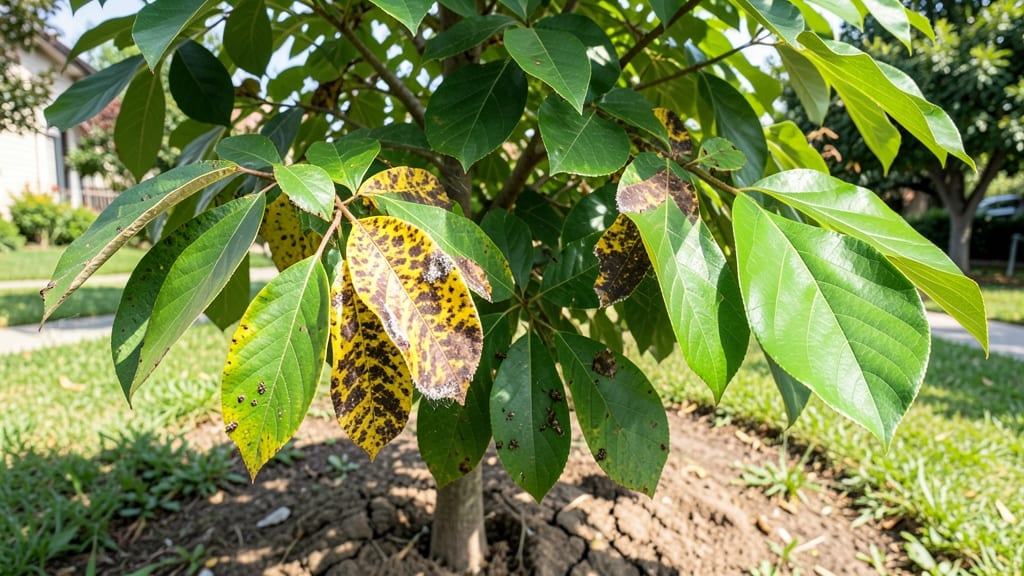
Chinese pistache tree problems turn these leafy shadows into a gardener’s nightmare—root rot or leaf spot can strike fast, and the damage spreads before you know it. 🌿 I’ve watched these trees go from sturdy shade providers to sad, yellowing skeletons in just a few seasons, but I’ve also nursed them back to health using simple (but critical) fixes. The key is catching the problem early: dark, mushy roots or brown spots with yellow halos mean it’s already past the "wait and see" stage.
Most issues start with too much water or poor drainage—Chinese pistaches hate soggy feet. Fungal infections like root rot thrive in compacted, waterlogged soil, while leaf spot spreads when humidity lingers on wet foliage.
Even drought stress weakens trees, making them vulnerable to pests like spider mites, which turn leaves into dusty webs. The good news? These problems have clear, actionable solutions—from adjusting watering habits to targeted fungicides (organic or chemical, depending on severity).
By the time you finish this, you’ll spot the early warning signs and know exactly how to revive your tree—whether it’s flushing out rot with hydrogen peroxide or pruning infected branches before the fungus spreads.
The results? A tree that regains its glossy, silver-green leaves and stands strong for decades. Let’s get to the fixes that actually work.
We’ll cover everything from soil amendments to seasonal care tweaks, so you can prevent future problems while healing what’s already struggling. No more guessing—just proven steps to bring your Chinese pistache back to its best. Ready to rescue yours?
Root Causes Of Chinese Pistache Struggles
Chinese pistache trees (Pistacia chinensis) are drought-tolerant powerhouses, but even the toughest species can fall prey to environmental stress, pests, or cultural mismanagement. Understanding why these issues arise is the first step to prevention—and recovery.
Below, we break down the science behind the most common stress factors, from soil chemistry to seasonal shifts.
Root rot in Chinese pistache trees is often a soil-borne disaster waiting to happen. These trees thrive in well-draining soils, but when planted in clay-heavy or compacted ground, excess moisture suffocates roots, creating the perfect breeding ground for Phytophthora and Pythium fungi.
- Why it happens:
- 🔬 Anaerobic conditions (low oxygen) weaken roots, making them vulnerable to pathogens.
- 🌧️ Overwatering or poor landscape grading can pool water at the base, drowning roots.
- 🏗️ Improper planting—digging too deep or backfilling with heavy soil—restricts drainage.
- Actionable fix:
- Test soil drainage: Dig a 12-inch hole, fill it with water, and time how long it takes to drain. If it’s slower than 4 hours, amend with sand or perlite.
- Raise the planting mound slightly to encourage runoff.
- Mulch sparingly (2–3 inches) to prevent soil compaction.
Those unsightly black or brown spots on Chinese pistache leaves? They’re often caused by Alternaria or Septoria fungi, which hitchhike on water droplets. Unlike many trees, pistaches hate wet foliage—especially during humid summers.
- Why it happens:
- 💦 Overhead irrigation (sprinklers, hose blasts) keeps leaves damp for hours, ideal for spore germination.
- 🌡️ High humidity + warm nights (70–80°F) create a fungal paradise.
- 🍂 Debris buildup—fallen leaves or twigs harbor spores near the tree.
- Actionable fix:
- Switch to drip irrigation or soaker hoses to keep water at the roots.
- Water early in the morning (before 10 AM) to allow foliage to dry quickly.
- Prune and remove infected leaves/twigs in late winter to reduce spore sources.
Chinese pistaches are adaptable, but sudden swings in temperature, wind, or salinity can shock the system. Think of it like a marathon runner: too much stress without recovery leads to breakdowns.
| Stress Factor | Why It Harms the Tree | Signs to Watch For |
|---|---|---|
| 🔥 Heatwaves + Drought | Roots struggle to uptake water, causing wilting or leaf scorch (brown edges). | Curling leaves, premature leaf drop, stunted growth. |
| ❄️ Late-Freeze Damage | New growth is highly sensitive to temps below 20°F, leading to bud dieback. | Blackened or mushy twigs, no spring flush. |
| 💧 Salty or Alkaline Soil | Excess sodium or pH >8.0 disrupts nutrient uptake, causing chlorosis (yellowing). | Yellow leaves (even on new growth), poor vigor. |
Actionable fix:
- 💡 Mulch deeply (3–4 inches of wood chips) to insulate roots in winter and retain moisture.
- 🌡️ Monitor soil pH—aim for 6.0–7.5. Amend with sulfur (for alkaline soil) or lime (for acidic).
- 🚰 Flush salty soil annually with low-sodium water (rainwater or filtered).
Chinese pistaches are not immune to pests—especially when stressed. Aphids, spider mites, and scale insects target weak trees, draining sap and spreading diseases like sooty mold.
- Why it happens:
- 🍃 Stressed trees (drought, poor soil) produce sweeter sap, attracting pests.
- 🌿 Lack of natural predators—if ladybugs or lacewings are absent, pests thrive.
- 🛡️ Previous pesticide use can disrupt the tree’s beneficial microbiome, making it more vulnerable.
- Actionable fix:
- 🕵️ Scout regularly: Check undersides of leaves for sticky residue (honeydew) or fine webbing (mites).
- 💦 Blast pests off with a strong hose (1,000 PSI) or use neem oil (1% solution).
- 🐞 Encourage predators: Plant native flowers (like alyssum) to attract ladybugs.
Fixing Chinese Pistache Tree Issues
Now that you know the common culprits behind your Chinese pistache tree’s struggles—like root rot, leaf spot diseases, or pest invasions—it’s time to roll up your sleeves and get to work! 🌱🔧 The good news?
Most problems can be tackled with the right approach, whether it’s adjusting care routines, applying targeted treatments, or giving your tree a little extra TLC. Below, we’ll break down practical, step-by-step solutions for each issue, plus prevention tips to keep your tree thriving long-term.
If your Chinese pistache is showing signs of root rot—yellowing leaves, wilting, or a foul smell near the base—act fast before the problem spreads.
🔥 Step 1: Assess the Damage
- Gently loosen the soil around the base (about 6–12 inches deep) to inspect the roots.
- Healthy roots are firm and light brown; rotten roots are mushy, dark, or smell like decay.
- If more than 30% of the roots are affected, the tree may not recover—consider replacing it.
🍳 Step 2: Prune Affected Roots (Carefully!)
- Use sterilized pruning shears (clean with rubbing alcohol) to trim away only the blackened, mushy roots.
- Avoid cutting into healthy tissue—this can worsen the infection.
- Pro Tip: 💡 If the tree is large, hire an arborist to handle root pruning safely.
👨🍳 Step 3: Improve Drainage
Root rot thrives in soggy soil. Fix drainage issues ASAP:
- Raise the planting area by adding a mound of gravel or sand beneath the root zone.
- Amend the soil with compost or perlite to improve aeration.
- Install a French drain if water pools around the base after rain.
🥘 Step 4: Adjust Watering Habits
- Stop overwatering immediately—let the top 2–3 inches of soil dry out between waterings.
- Use a moisture meter to check soil dampness (aim for 60–70% moisture).
- Water deeply but infrequently—preferably in the early morning to reduce fungal growth.
⏰ Step 5: Fungal Treatment (If Needed)
For severe cases, apply a copper-based fungicide (like Copper Sulfate) or a phosphite fungicide (e.g., Phostrol).
- Follow label instructions exactly—overuse can harm the tree.
- Prevention Tip: 🌡️ Mulch properly—keep mulch 3–4 inches deep but 6 inches away from the trunk to prevent rot.
Brown or black spots on leaves? That’s likely anthracnose, cercospora leaf spot, or alternaria leaf spot—common fungal foes of Chinese pistache trees.
🔥 Step 1: Remove Infected Leaves
- Prune out severely spotted leaves using sterilized shears.
- Bag and dispose of (don’t compost!) infected foliage to prevent spores from spreading.
- Pro Tip: ✨ Thin the canopy slightly to improve airflow—fungi love humid, crowded spaces.
🍳 Step 2: Apply Fungicidal Sprays
- Preventative spray: Use a fixed copper fungicide (like Copper Soap) every 2–4 weeks during wet seasons.
- For active infections: Try neem oil (1 tsp per gallon of water) or potassium bicarbonate spray (1 tbsp per gallon).
- Best time to spray: Early morning or late afternoon to avoid burning leaves in direct sun.
👨🍳 Step 3: Adjust Irrigation & Fertilizer
- Water at the base (avoid wetting leaves) and water early in the day so foliage dries quickly.
- Avoid nitrogen-heavy fertilizers—they promote lush growth, which attracts fungi. Instead, use a balanced 10-10-10 or low-nitrogen formula.
🥘 Step 4: Boost Tree Health
- Fertilize lightly in early spring with a phosphorus-rich fertilizer (e.g., 5-10-10) to strengthen roots.
- Mulch correctly (as above) to regulate soil moisture and temperature.
🎯 Prevention Tip: Sanitize tools! 🔪
- Clean pruners with 70% isopropyl alcohol between cuts to prevent fungal hitchhiking.
Spotting aphids, scale insects, or spider mites? These pests weaken your tree by sucking sap and spreading diseases.
🔥 Step 1: Inspect & Identify
- Aphids: Tiny green/black bugs clustered on new growth.
- Scale: Bumpy, waxy bumps on stems/branches.
- Spider mites: Fine webbing on undersides of leaves.
🍳 Step 2: Blast Them Off (Non-Chemical First!)
- Strong water spray: Use a hose nozzle to dislodge pests (do this early morning).
- Neem oil spray: Mix 1 tsp neem oil + 1 tsp mild soap per gallon of water; spray every 5–7 days for 2–3 weeks.
- Horticultural oil: Apply in early spring (before buds swell) to smother overwintering pests.
👨🍳 Step 3: Introduce Beneficial Insects (If Safe)
- Ladybugs (for aphids) or lacewings (for mites) can be purchased online or from garden centers.
- Pro Tip: 🌿 Plant companion flowers like marigolds or alyssum nearby to attract predator insects naturally.
🥘 Step 4: Chemical Defense (Last Resort)
- For severe infestations, use insecticidal soap or pyrethrin-based sprays (like Safer’s Garden Spray).
- Avoid systemic pesticides unless absolutely necessary—they can harm pollinators.
✨ Prevention Tip: Keep your tree healthy!
- Stressed trees attract pests. Ensure proper watering, sunlight, and pruning to build resilience.
No matter the issue, consistent care is key to keeping your Chinese pistache tree happy and problem-free.
| Problem | Quick Fix | Prevention Tip |
|---|---|---|
| Overwatering | Let soil dry; improve drainage | Mulch properly; use a moisture meter |
| Poor Nutrition | Fertilize with balanced 10-10-10 | Test soil annually; avoid over-fertilizing |
| Compacted Soil | Aerate roots; add compost | Top-dress with organic matter yearly |
| Pest Vulnerability | Neem oil spray; prune for airflow | Encourage natural predators |
Final Pro Tip: 🌡️ Monitor your tree regularly! Catching issues early (like yellowing leaves or sticky sap) gives you the best shot at a full recovery.
With these actionable steps, your Chinese pistache tree should bounce back stronger than ever. Stay patient, consistent, and proactive—your tree will thank you with lush, healthy growth for years to come! 🌳💚
Frequently asked questions
Why do Chinese pistache leaves turn yellow?
Yellowing leaves usually signal overwatering or nutrient deficiencies. These drought-tolerant trees hate soggy roots—check for mushy, dark roots or a foul smell. If the soil stays wet for days, improve drainage immediately. Yellowing can also mean chlorosis (iron deficiency) in alkaline soil—test your soil pH and amend with chelated iron if needed.
How do I know if my Chinese pistache has root rot?
Look for wilting leaves, stunted growth, or a musty odor at the base. Gently dig around the roots—healthy roots are firm and light brown, while rotten roots are dark, mushy, and smell like decay. If more than 30% of roots are affected, the tree may not recover. Act fast by improving drainage and pruning infected roots.
What’s the best way to prevent leaf spot diseases?
Leaf spot thrives in wet foliage, so water at the base early in the morning and avoid overhead sprinklers. Prune for good airflow and remove infected leaves immediately. Apply a copper fungicide every 2–4 weeks during humid seasons, and sanitize pruning tools with rubbing alcohol to prevent spread.
Are Chinese pistaches prone to pests like spider mites?
Yes! Spider mites and scale insects love stressed trees. Check for fine webbing (mites) or sticky residue (honeydew). Blast pests off with water, then treat with neem oil or horticultural oil. Encourage natural predators by planting marigolds or alyssum nearby—these flowers attract ladybugs and lacewings.
How often should I fertilize a Chinese pistache?
Feed lightly in early spring with a balanced 10-10-10 fertilizer or a low-nitrogen formula. Avoid over-fertilizing—too much nitrogen promotes leafy growth but weakens the tree, making it vulnerable to pests and diseases. Test your soil annually to adjust nutrients as needed.