
Pruning
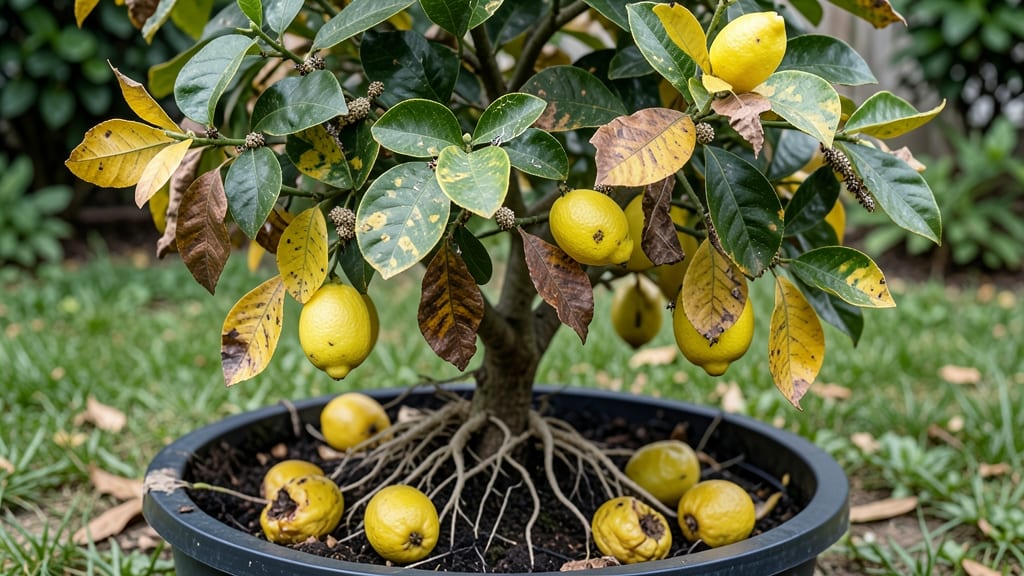
Your citrus tree’s yellow leaves and drooping branches scream for help—before you panic, here’s how to diagnose and fix the most common citrus problems. 🌿 I’ve nursed back more than my share of struggling trees, and the key is acting fast before issues spiral.
Whether it’s nutrient deficiencies, pests, or environmental stress, each problem has a targeted solution that can turn your tree around in weeks.
Most citrus woes start with watering mistakes—overwatering causes root rot while underwatering leads to leaf drop. Then there’s the classic nutrient deficiency (especially nitrogen or iron), which turns leaves yellow between the veins.
Pests like aphids or scale insects sap energy, while fungal diseases like citrus canker create ugly lesions. The good news? Each has a fix, from adjusting your watering schedule to applying organic sprays or balanced fertilizers.
By the end of this, you’ll spot the early warning signs and know exactly what to do—whether it’s pruning dead branches, treating for pests, or adjusting sunlight exposure.
My own Meyer lemon tree went from nearly dead to thriving in just 8 weeks after I tackled its root rot with proper drainage and a fungicide. The secret is catching problems early and addressing them systematically.
We’ll cover everything from organic remedies (neem oil, compost tea) to when to call in a pro for severe cases. Citrus trees are tough once you understand their needs—let’s get yours back on track.
📚 In This Guide
- What you need
- Instructions
- Tips and common mistakes
- Wrapping up and next steps
What you need
- ● Diagnostic tools: Magnifying glass (for inspecting leaves, bark, and pests)
- ● pH soil test kit (to check nutrient deficiencies)
- ● Moisture meter (to assess root health and watering needs)
- ● Pruning supplies: Bypass pruners (sharp, clean, and sterilized with rubbing alcohol)
- ● Loppers (for thicker branches, 1–2 pairs)
- ● Hand saw (for larger branches, 1–2 sizes: 8" and 10")
- ● Garden gloves (cut-resistant, 1 pair)
- ● Disposable pruning bags (for collecting debris, 2–3 bags)
- ● Treatment & care: Fungicide (copper-based or neem oil-based, 1–2 bottles)
- ● Insecticidal soap or horticultural oil (for pests, 1 bottle)
- ● Slow-release citrus fertilizer (balanced NPK, 5–10 lbs)
- ● Mulch (organic, like wood chips or straw, 1–2 bags)
- ● Watering can or hose with adjustable nozzle (for gentle watering)
- ● Root stimulator (for transplant shock or poor growth)
- ● Citrus-specific foliar spray (for micronutrient boost)
- ● Staking kit (if your tree needs support after pruning)
- ● Camera or phone (to document progress before/after)
- ● Notebook and pen (to track symptoms, treatments, and improvements)
How to diagnose and fix common citrus tree problems
Citrus trees throw tantrums when neglected—yellow leaves, drooping branches, and sad fruit. Here's how to turn things around.
🌿 Step 1: Check Watering Habits and Soil Moisture
Most citrus problems start with water—either too much or too little. Stick your finger 2 inches deep into the soil. If it feels bone-dry, your tree's thirsty. If it's soggy, you're drowning the roots. Citrus prefers the soil to dry out slightly between waterings, especially in containers where roots can't spread.
I know it seems counterintuitive, but citrus trees in pots need watering only when the top 2 inches of soil are completely dry. Overwatering suffocates roots and causes yellowing leaves. Use your finger as a gauge—don't rely on a schedule. Morning watering prevents fungal issues from overnight moisture.
☀️ Step 2: Assess Light Exposure and Leaf Color
Yellow leaves usually mean one of two things: too much sun or not enough. Check the pattern—if leaves are crispy with brown edges, your tree is sunburned. If they're pale and sparse, it's not getting enough light. Citrus trees need 6-8 hours of direct sun daily, but afternoon shade helps in hot climates.
Move your tree to a spot where it gets morning sun and afternoon shade if leaves look scorched. For indoor citrus, place it near a south-facing window where it can soak up light. You'll know the light is right when new growth appears bright green and glossy instead of dull or scorched.
🪴 Step 3: Inspect for Pests and Disease Signs
Flip those yellow leaves over—you might find the culprits. Spider mites love citrus and leave behind tiny webs on the undersides of leaves. Scale insects appear as small bumps along stems. If you see black spots or fungus, that's your answer: overwatering or poor airflow.
I like to spray leaves with neem oil solution (1 tsp per quart of water) for pests, or use insecticidal soap. For fungal issues, prune affected branches ¼ inch above the infection and sterilize pruners with rubbing alcohol. Always remove fallen leaves—they spread disease faster than you think.
✂️ Step 4: Prune for Airflow and Revitalization
Citrus trees need good airflow to stay healthy. Use clean, sharp pruners to trim back any dead, diseased, or crossing branches. Cut at a 45-degree angle just above a leaf node. This encourages new growth and prevents future problems. Don't remove more than 25% of the canopy at once—you'll shock the tree.
After pruning, give your tree a balanced citrus fertilizer (look for 6-6-6 or similar ratios). Feed lightly in spring and summer, but skip fall and winter—citrus trees rest during cooler months. You'll see new leaves forming within 4-6 weeks if the tree is healthy.
💧 Step 5: Adjust Care Based on Seasonal Needs
Citrus trees have different needs year-round. In summer, they need more frequent watering but still let the soil dry between drinks. In winter, reduce watering by half—citrus trees go semi-dormant. If your tree is indoors, keep it away from cold drafts or heating vents, which cause stress.
Watch for new growth in spring—that's your sign the tree is recovering. If you see buds forming, your tree is happy. If not, revisit the light, water, and pest checks. With consistent care, your citrus tree will bounce back stronger than ever.
Tips & tricks for revitalizing citrus trees
Took me a while to figure these out, so here goes—your citrus tree's comeback starts with these key moves.
Soil Check Tip: When testing soil moisture in Step 1, press your finger in 2 inches deep—this is the critical zone where roots actively absorb water. If the soil feels damp but not soggy, that's perfect. I've seen people overcorrect by watering only when soil is bone-dry, which can actually stress the tree more than help. Morning is the best time to water because it gives leaves time to dry overnight, preventing fungal infections.
Light Positioning: In Step 2, if your tree is indoors near a south-facing window, rotate it quarter-turn weekly so all sides get even light exposure. This prevents lopsided growth where one side becomes leggy while the other stays weak. For outdoor trees, watch for afternoon shade—direct midday sun in hot climates can scorch leaves even if morning sun is perfect.
Pest Prevention: After treating pests in Step 3, I recommend doing a follow-up spray with neem oil every 2 weeks during growing seasons. This creates a protective barrier against spider mites and scale insects. The 1 tsp per quart ratio works perfectly—just shake well before spraying both tops and undersides of leaves where pests hide.
Pruning Strategy: When pruning in Step 4, focus on removing branches that cross or rub against each other—they create wounds where diseases enter. After pruning, wipe your pruners with rubbing alcohol between cuts to prevent spreading any hidden infections. The 45-degree angle cut above a leaf node isn't just aesthetic—it helps water run off properly during rain.
Pro Tips for Citrus Tree Problems
- Took me a while to figure these out, so here goes—your citrus tree's comeback starts with these key moves.
- Soil Check Tip: When testing soil moisture in Step 1, press your finger in 2 inches deep—this is the critical zone where roots actively absorb water.
- Light Positioning: In Step 2, if your tree is indoors near a south-facing window, rotate it quarter-turn weekly so all sides get even light exposure.
Frequently asked questions
Got questions about keeping your citrus trees healthy and vibrant? Here are some of the most common concerns—and straightforward solutions—to help you troubleshoot like a pro.
Why are my citrus tree leaves turning yellow?
Yellowing leaves are often a sign of overwatering or nutrient deficiencies, like a lack of nitrogen or iron. Check the soil moisture—citrus trees prefer it to dry out slightly between waterings. Test your soil’s pH (ideal: 6.0–7.0) and amend with compost or citrus-specific fertilizer if needed. Pro tip: Yellowing on older leaves usually indicates nutrient issues, while new leaves turning yellow may signal overwatering.
How often should I prune my citrus tree?
Prune your citrus tree once a year, ideally in late winter or early spring (before new growth starts). Remove dead, diseased, or crossing branches to improve airflow and sunlight penetration. Avoid heavy pruning during fruiting seasons—it can stress the tree. Pro tip: Sterilize your pruners with rubbing alcohol to prevent spreading disease.
Can I save my citrus tree if it’s drooping?
Drooping can mean underwatering, root rot, or pests. First, check the soil—if it’s bone-dry, water deeply. If the roots smell rotten, you may have overwatered. Inspect for pests like aphids or scale insects. For severe cases, trim back dead branches and repot if root-bound. Pro tip: Mulch around the base to retain moisture and regulate soil temperature.
What’s the best way to prevent citrus tree diseases?
Prevention starts with proper care: water at the base (not overhead), space trees for airflow, and remove fallen leaves/debris. Use copper fungicides if you spot signs of fungal diseases like citrus canker. Pro tip: Quarantine new plants for 2–4 weeks to spot pests/diseases early.
Are there citrus tree alternatives if mine keeps failing?
If your climate or soil isn’t citrus-friendly, try hardier alternatives like meyer lemon (more cold-resistant), calamondin (dwarf and pest-resistant), or kumquat (thrives in containers). Dwarf varieties are great for pots and smaller spaces! Pro tip: Choose grafted trees—they’re often more resilient than seed-grown ones.
Wrapping up and next steps
Citrus trees may face challenges like yellowing leaves or drooping canopies, but with the right care, they can thrive again! 🌿 From proper pruning and nutrient balance to pest control and watering adjustments, each step plays a key role in restoring your tree’s health.
Remember, consistency is key—monitor your citrus tree regularly and address issues early to prevent long-term damage.
Don’t let these problems discourage you! With patience and the right techniques, your citrus tree can bounce back stronger than ever. Next up: grab your tools and give your tree the TLC it deserves—your future harvest of juicy oranges and lemons will thank you! 🍊✨