
Planting
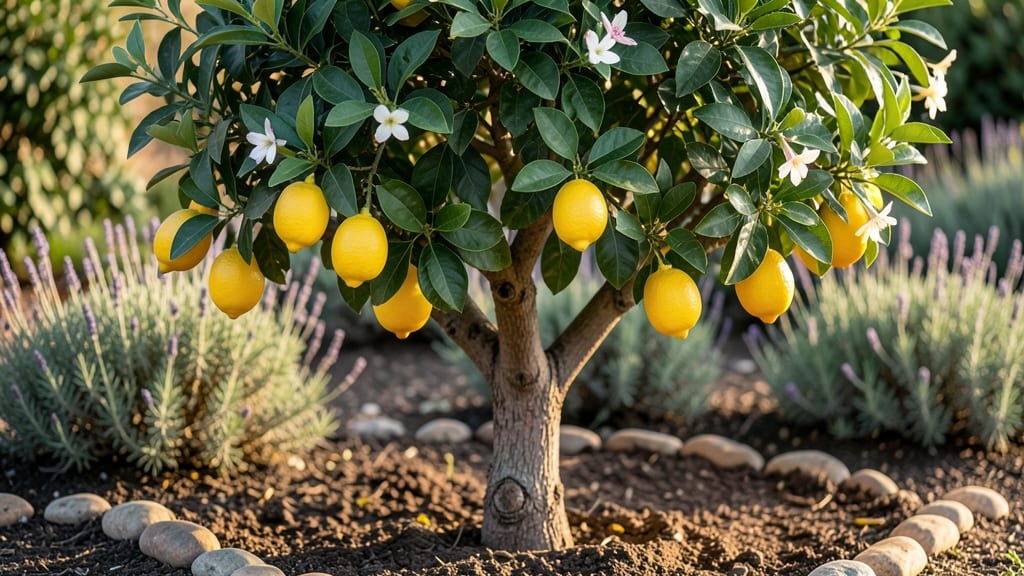
Proper citrus tree spacing determines whether your 🍊 orchard thrives or struggles—think 15 to 25 feet between standard trees, 10 to 12 feet for semi-dwarfs, and just 6 to 8 feet for compact varieties.
Struggling to maximize your citrus harvest? The right spacing isn’t just about aesthetics—it’s the secret weapon for disease prevention, sunlight access, and bumper crops. Get the science-backed distances that transform your orchard from mediocre to magnificent.
In Zone 9b, where citrus trees grow year-round, spacing affects everything from fruit size to how easily you can harvest. Too close, and your trees compete for nutrients; too far, and you waste space.
Below, I’ll break down the exact distances for dwarf, semi-dwarf, and standard varieties, plus how to adjust for containers or small gardens.
You’ll also discover how proper spacing boosts air circulation, reduces fungal risks, and even improves fruit flavor—because the best citrus orchards aren’t just pretty, they’re productive.
Optimal citrus tree spacing by variety and growth habit
Choosing the right citrus tree spacing can make or break your harvest. Too close, and you’ll battle fungal diseases and stunted growth from competing roots. Too far apart, and you waste precious garden space.
The key lies in understanding your tree’s mature size, root spread, and whether you’re planting in-ground or in containers. For example, a standard Valencia orange tree needs far more room than a dwarf Meyer lemon—yet both thrive with proper spacing tailored to their needs.
Most citrus trees fall into three categories: dwarf (6-10 ft tall), semi-dwarf (12-18 ft), and standard (20-30 ft). Each requires different spacing to ensure airflow, sunlight penetration, and root development.
In USDA Zone 9b (ideal for citrus), I’ve planted everything from Calamondin oranges in pots to Satsuma mandarins in the ground—and spacing has been the game-changer for yield and tree health.
Root spread is often overlooked but critical. Citrus roots can extend 2-3 times the canopy width, so spacing should account for both the tree’s height and its underground reach. For instance, a 15-foot-tall grapefruit tree might need 15-20 feet between trees to prevent root competition. In containers, root-bound stress is a major issue, so spacing becomes about container size and pruning frequency rather than ground distance.