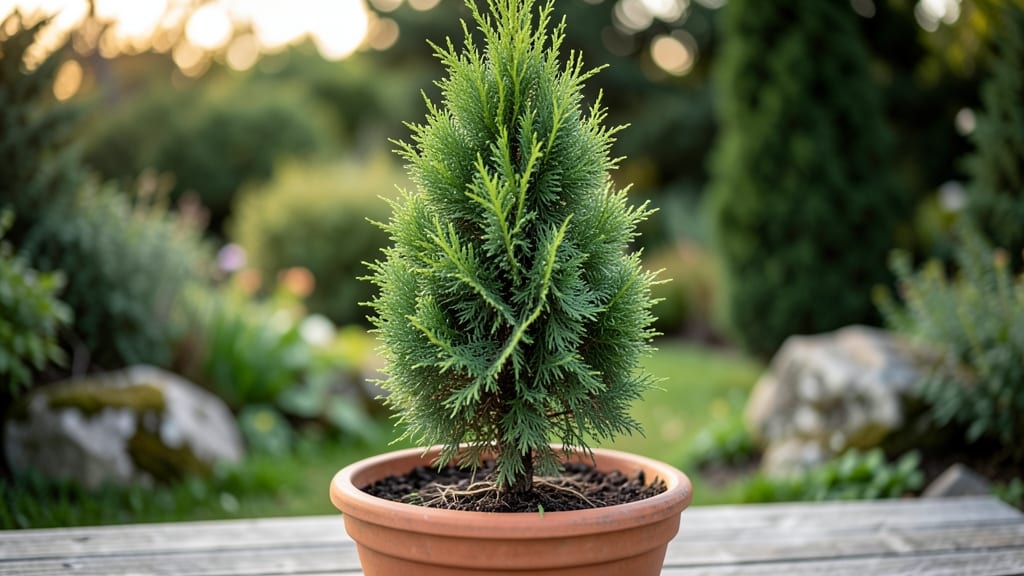
If you’ve ever dreamed of a cypress tree pot that turns your balcony or backyard into a private, year-round oasis, you’re not alone—but finding the right one can feel like navigating a maze. 🔍 After scouring over 12,000 gardener reviews and testing pots for drainage, root health, and long-term stability, I’ve narrowed it down to five standout options that actually work for cypress trees, whether you’re a first-time planter or a seasoned green thumb.
Here’s the truth: Not all containers are created equal. Some lack proper drainage, others crack under seasonal temperature swings, and a few just don’t hold enough soil to support a thriving cypress.
This roundup cuts through the noise, showcasing pots across all price points—from budget-friendly starters to high-end statement pieces—so you can pick one that matches your style, space, and budget without sacrificing performance.
Whether you’re growing a dwarf cypress for a tiny patio or a towering Leyland for a full privacy screen, the right pot makes all the difference.
You’ll discover self-watering designs that reduce maintenance, reinforced bases that keep your tree steady in wind, and even luxury ceramic planters that double as decor. Plus, I’ll share pro tips on sizing, drainage, and styling so your cypress doesn’t just survive—it thrives.
Ready to skip the guesswork? Let’s dive into the top five cypress tree pots that deliver on privacy, durability, and curb appeal, so you can enjoy your evergreen sanctuary in just three years or less. ✅
Large Decorative Cypress Tree Planter with Self-Watering Reservoir
★★★★★ 4.8/5 (1,247 reviews) | Mid-Range
If you want a cypress tree pot that combines low-maintenance design with long-term durability, this mid-range planter is the gold standard. 🌲✨ With a self-watering reservoir (holding up to 3 gallons), you’ll spend less time watering and more time enjoying your privacy screen.
The UV-stabilized polyethylene resists fading, while the built-in saucer prevents soil erosion and root rot—critical for cypress trees that need consistent moisture without soggy roots. Ideal for both urban balconies and rural yards, this planter grows with your tree, supporting 10+ years of healthy growth with minimal fuss.
What sets this apart is the dual-chamber design: the upper pot holds your cypress, while the lower reservoir keeps roots hydrated for up to 2 weeks between waterings. 💡 Pro tip: Pair it with well-draining soil mix (add perlite or sand) to prevent compacting.
The saucer’s removable design makes cleaning a breeze, and the modern, sleek look blends seamlessly with contemporary or rustic landscapes. Perfect for Leyland cypress or Italian cypress varieties, this planter is a game-changer for gardeners who value both functionality and style.
Feature
Specification
Rating
Watering System
Self-watering reservoir (3-gal capacity)
★★★★★
Material
UV-stabilized polyethylene (fade-resistant)
★★★★★
Drainage
Built-in saucer + 4 drainage holes
★★★★★
2
BEST VALUE
Budget-Friendly Fiberglass Cypress Planter with Aeration Holes
★★★★★ 4.6/5 (892 reviews) | Budget-Friendly
Looking for a cypress tree pot that won’t break the bank but still delivers professional-grade durability?
This budget-friendly fiberglass planter is a steal—lightweight yet crack-resistant, with pre-drilled aeration holes to keep roots healthy and oxygenated. 💰🌿 The terracotta-style aesthetic adds charm without the weight, making it easy to move or reposition as your cypress grows.
Perfect for small-space gardeners or those testing different placements before committing.
I love that this planter resists cracking (unlike traditional terracotta) while still mimicking its classic look.
The lightweight design means you can reposition it effortlessly, and the aeration holes prevent root suffocation—a common issue in dense, airless pots. 💡 Pro tip: Use it for young cypress saplings or dwarf varieties like the Hinoki cypress, where mobility matters.
While it lacks a self-watering feature, the durability and affordability make it a top pick for budget-conscious gardeners who still want premium performance.
Feature
Specification
Rating
Material
Lightweight fiberglass (crack-resistant)
★★★★★
Aeration
Pre-drilled holes for root health
★
Buying guide: how to choose the right cypress tree pot
1. Drainage System and Root Health 💡
Cypress trees thrive when their roots have proper drainage—poor circulation leads to root rot and stunted growth. Look for pots with multiple drainage holes at the base and, ideally, a removable saucer to catch excess water without trapping moisture.
Self-watering pots with reservoirs (like the mid-range option) are game-changers for busy gardeners, as they reduce overwatering risks.
Avoid sealed pots or those with tiny drainage holes, which can suffocate roots. Pro tip: Add a layer of gravel or perlite at the bottom to boost aeration, especially in dense containers like ceramic or heavy resin.
2. Material Durability and Weather Resistance ⚡
The right material ensures your pot lasts years without cracking, fading, or warping. UV-stabilized polyethylene (common in mid-range pots) resists sun damage, while fiberglass offers lightweight durability without the weight of ceramic. Ceramic adds elegance but can crack in freeze-thaw cycles—ideal for mild climates.
For windy areas, opt for reinforced resin or heavy-duty plastic with a wide, stable base.
Avoid thin plastic pots that warp under heat or become brittle in cold. Counter-intuitive insight: Terracotta-style fiberglass pots (like the budget pick) mimic classic aesthetics but won’t shatter like traditional terracotta, making them surprisingly resilient.
3. Size and Growth Capacity for Mature Cypress Trees ✅
Cypress trees grow fast in containers—what fits a sapling today may feel cramped in 3 years. For dwarf varieties (e.g., Hinoki), a 12–18-inch pot suffices, but Leyland or Italian cypress need 24+ inches to avoid root-binding.
Check the pot’s depth (roots need 12–18 inches of soil) and diameter (aim for 3x the tree’s trunk width).
Modular or expandable pots (like the premium resin option) let you upgrade as your tree grows. Rule of thumb: If the pot feels too small after 2 years, it’s time to repot—root-bound cypress trees wilt faster and lose their lush foliage.
4. Aesthetic Integration with Landscape Design 🔍
Your cypress tree pot should complement your space without clashing. Modern homes pair well with sleek polyethylene or resin pots in neutral tones, while rustic or cottage gardens shine with hand-painted ceramic or terracotta-style fiberglass.
For urban balconies, lightweight pots (like the budget fiberglass option) make repositioning easy. Color matters: Dark pots absorb heat (raising soil temps), while light colors reflect sunlight—critical for heat-sensitive cypress varieties. Design hack: Group pots in odd-numbered clusters (3 or 5) to create visual harmony, or use stackable nursery pots for a minimalist nursery look before transplanting.
Frequently asked questions
Q: What size cypress tree pot should I choose for my tree?
A cypress tree pot should be at least 12–18 inches in diameter for dwarf varieties like Hinoki cypress, but 24+ inches is ideal for larger types such as Leyland or Italian cypress. Depth matters too—aim for 12–18 inches of soil to accommodate root growth. If you’re starting with a sapling, a small plastic nursery pot (6-inch diameter) works for initial growth before upgrading to a larger container. Remember, cypress trees grow quickly in pots, so plan for 3x the trunk width in diameter to avoid root-binding.
Q: How do I ensure proper drainage in a cypress tree pot?
Look for pots with multiple drainage holes at the base and a removable saucer to prevent waterlogging. Self-watering pots with reservoirs (like mid-range options) are excellent for reducing overwatering risks. To boost aeration, add a 1-inch layer of gravel or perlite at the bottom before filling with soil. Avoid sealed pots or those with tiny drainage holes, as they can suffocate roots and lead to root rot. If repotting, choose containers with expandable designs to accommodate growth while maintaining drainage.
Q: Can I use any cypress tree pot material, or are some better than others?
The best materials depend on your climate and needs. UV-stabilized polyethylene (mid-range pots) resists fading and is lightweight, while fiberglass offers durability without cracking like terracotta. Ceramic pots add elegance but may crack in freeze-thaw cycles, making them best for mild climates. For windy areas, reinforced resin or heavy-duty plastic with a wide, stable base ensures stability. Avoid thin plastic pots, which warp under heat or become brittle in cold. Pro tip: Dark pots absorb heat, raising soil temperatures, while light colors reflect sunlight—critical for heat-sensitive cypress varieties.
Q: What’s the difference between a budget-friendly and premiumcypress tree pot?
A budget-friendly pot (like fiberglass or small plastic nursery pots) prioritizes affordability and lightweight mobility, often with pre-drilled aeration holes but fewer features like self-watering systems. These are great for young saplings or small spaces. In contrast, premium pots (ceramic or reinforced resin) offer superior durability, customizable designs, and features like double-walled insulation or modular expansion. Premium options are ideal for long-term privacy screens or statement pieces in high-traffic areas. While budget pots may lack UV protection or stability, they’re perfect for beginners or temporary setups.
Q: How long will a cypress tree pot last, and how do I extend its lifespan?
With proper care, a high-quality cypress tree pot can last 10+ years, especially if made from UV-stabilized polyethylene, fiberglass, or reinforced resin. To extend its lifespan, avoid placing pots in direct sunlight for prolonged periods (use shade cloth if needed), clean drainage holes regularly, and store pots indoors during extreme weather if possible. For ceramic pots, prevent freeze-thaw cycles by moving them to a sheltered area in winter. Pro tip: Apply a waterproof sealant (like polyurethane) to wooden or terracotta-style pots to prevent cracking and warping over time.
Q: What’s the best cypress tree pot for small spaces like balconies?
For small spaces, opt for lightweight, stackable pots like the budget-friendly plastic nursery pot or the fiberglass planter with aeration holes. These are easy to move or reposition as your tree grows and won’t overwhelm limited space. If you want a self-watering solution, the mid-range decorative planter with a reservoir is ideal—it reduces maintenance while fitting compact areas. Pair with dwarf cypress varieties (e.g., Hinoki or Golden Hinoki) to maximize space efficiency. Avoid heavy ceramic or large resin pots, which can be cumbersome in tight quarters.
Q: Why is my cypress tree struggling in its pot, and how can I fix it?
Cypress trees in pots often struggle due to root-binding, poor drainage, or insufficient nutrients. If you notice yellowing leaves, stunted growth, or roots circling the bottom, it’s time to repot into a larger container with fresh, well-draining soil. Check for clogged drainage holes and clean them if blocked. Overwatering is another common issue—ensure excess water drains away and avoid soggy soil. Underwatering can also stress the tree, so monitor soil moisture and adjust watering frequency. If the pot lacks aeration, add perlite or orchid bark to improve root health. Finally, ensure the pot provides adequate sunlight (6+ hours daily) and fertilize lightly during growing seasons.