
Pruning
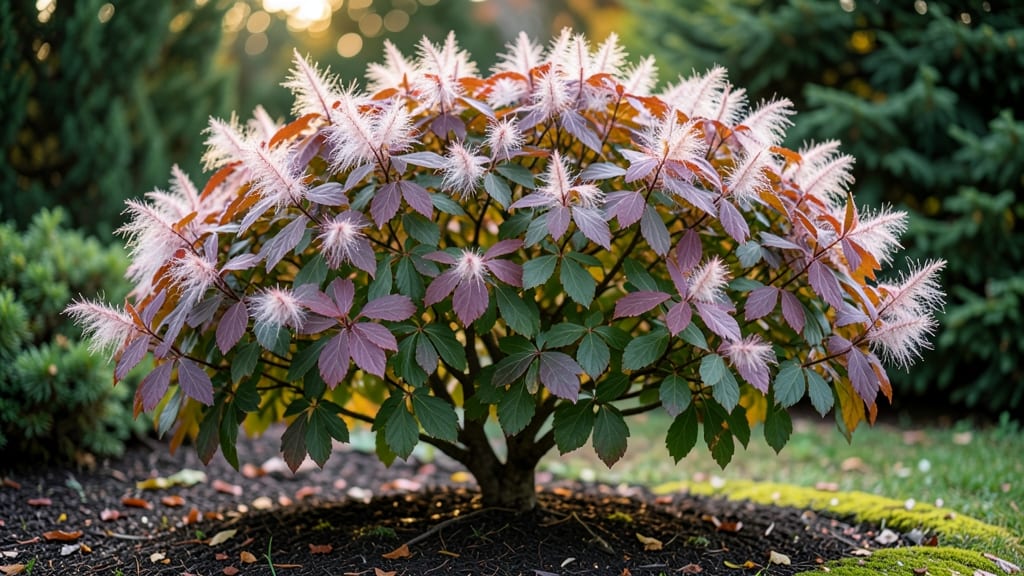
Your privacy screen could transform from boring to breathtaking in just three years—thanks to the smoke tree’s the smoke tree photos wispy, smoky foliage that shifts from spring green to fiery reds and purples by fall. 🌿 I planted mine as a hedge last spring, and already the neighbors are asking how I did it.
The real magic? This tree thrives in full sun or partial shade, handles drought once established, and keeps its structure tight enough to block views without taking over your yard.
The secret to its dramatic look lies in its seasonal color shifts—think velvety green leaves in summer, then a smoky haze of pink and purple as temperatures drop. Prune lightly in late winter to encourage dense growth, and you’ll have a living wall that’s low-maintenance yet stunning.
Pair it with boxwoods for a crisp, modern look or mix in ornamental grasses for a cottage-garden vibe. The best part? It stays evergreen in warmer climates, giving you year-round privacy.
By year three, your smoke tree hedge will stand 6-10 feet tall, depending on the variety, with branches so dense they’ll block nosy glances while letting light filter through. The foliage’s unique texture also makes it a pollinator magnet—bees and butterflies adore the flowers, and birds love the berries.
For a foolproof design, plant three trees in a row, spaced 4-6 feet apart, and watch them fill in naturally over time.
Works in any yard style—modern, cottage, or even a pollinator-friendly garden—because it’s adaptable to different climates (zones 4-8) and soil types. The only must-know? Avoid heavy, wet soil—this tree prefers well-draining ground. Once established, it’s basically set-and-forget, but the payoff in curb appeal is unmatched.
📚 In This Guide
- What you need
- Instructions
- Tips and common mistakes
- Wrapping up and next steps
What you need
- ● Smoke tree plants (Cotinus spp.) – 3–5 plants (depending on desired width; spacing should be 6–10 feet apart for full coverage in 3 years). Choose varieties like ‘Royal Purple’ or ‘Grace’ for vibrant foliage.
- ● High-quality potting soil – 2–3 bags (or a mix of 50% garden soil and 50% compost for optimal drainage).
- ● Organic mulch – 1–2 bags (such as pine bark or shredded leaves to retain moisture and suppress weeds).
- ● Slow-release fertilizer – 1 bag (look for a balanced 10-10-10 or 20-20-20 formula for young plants).
- ● Garden gloves – 1 pair (to protect your hands from thorns and soil).
- ● Hand trowel or transplant spade – 1 (for digging and planting).
- ● Watering can or hose with a gentle spray nozzle – 1 (for deep watering after planting).
- ● Pruning shears – 1 pair (sharp, bypass-style for clean cuts).
- ● Measuring tape – 1 (to ensure proper spacing between plants).
- ○ Stakes or plant markers – Optional but helpful (to label varieties or mark planting locations).
- ● Epsom salt – 1 small container (adds magnesium for healthier foliage; mix 1 tbsp per gallon of water monthly).
- ● Plant growth stimulator – 1 bottle (such as RootShield or seaweed extract to boost root development).
- ● Landscape fabric – 1 roll (if planting in high-weed areas; lay under mulch).
- ● Drip irrigation system – 1 kit (for low-maintenance watering, especially in hot climates).
- ● Pruning sealant – 1 small tube (to prevent disease on large cuts).
How to plant and maintain smoke trees for fast privacy
Here’s the method I’ve used to create lush, year-round privacy in just three seasons—no waiting years for slow growers.
🌱 Step 1: Choose the Right Location and Soil
Smoke trees thrive in full sun to partial shade, making them perfect for fences or property lines. Test your spot: if it gets at least 6 hours of direct sunlight, you’re golden. Avoid low-lying areas where water pools—smoke trees hate soggy roots.
Amend the soil with 2-3 inches of compost mixed into the top 12 inches of ground. These trees love well-draining soil, so if your yard is heavy clay, add a handful of perlite or sand to improve aeration. I like to dig a hole twice as wide as the root ball—this gives roots room to spread without circling, which weakens growth.
🪴 Step 2: Plant at the Correct Depth and Spacing
Place the tree so the top of the root ball sits 1 inch above ground level. Backfill with native soil, tamping gently to remove air pockets. Space plants 8-10 feet apart for a dense screen—closer spacing works if you want faster coverage, but you’ll need to prune more aggressively later.
Water deeply right after planting to settle the soil and eliminate gaps. You’ll know it’s right when the surface looks firm but not compacted. Mulch with 2-3 inches of wood chips, keeping it 6 inches away from the trunk to prevent rot. This retains moisture and keeps roots cool in summer.
☀️ Step 3: Water Deeply and Fertilize for Rapid Growth
Newly planted smoke trees need 1-2 inches of water weekly for the first year. Water deeply at the base—avoid overhead sprinkling, which encourages fungal issues. You’ll see new growth within 4-6 weeks if conditions are right: soft, flexible stems and fresh green leaves.
Fertilize in early spring with a balanced 10-10-10 formula spread evenly around the root zone. Skip fertilizing in fall—it encourages tender new growth that won’t survive winter. I’ve found that smoke trees respond best to organic matter like composted leaves or worm castings, which improve soil structure over time.
✂️ Step 4: Prune for Shape and Density
Prune in late winter or early spring before new growth starts. Remove any dead, diseased, or crossing branches first—they’ll compete with healthy growth. Then, trim back overgrown branches by 1/3 of their length to encourage bushier growth. You’ll notice new shoots forming within 2-3 weeks.
For a denser screen, thin out the center branches to allow light penetration. Smoke trees grow fast, so you’ll need to prune annually to maintain shape. Use clean, sharp shears to make cuts just above a leaf node—this prevents ragged edges and promotes healing. Never prune more than 25% of the canopy in one season.
⏰ Step 5: Protect and Maintain Through Seasons
In winter, smoke trees lose leaves but stay evergreen in warmer climates. If you’re in a colder zone, mulch heavily to insulate roots. Watch for browning leaves—this is normal in winter, but if it persists into spring, your tree may need more sun.
By year three, your smoke trees should form a solid privacy barrier. At this point, focus on light maintenance: watering during droughts, occasional pruning, and monitoring for pests like spider mites. A quick spray of water on hot days keeps foliage clean and healthy. With proper care, these trees will keep growing for decades, offering privacy without the upkeep of hedges.
Tips & tricks for perfect smoke tree privacy screens
Here’s what I’ve learned after planting and maintaining smoke trees for years—these details make all the difference between a sparse screen and a lush, year-round privacy barrier.
Sunlight Strategy: While smoke trees tolerate partial shade, they reach their full potential with that 6 hours of direct sunlight mentioned in Step 1. If your spot gets less, position trees along the sunniest edge of your property line. I’ve seen trees in partial shade grow 20% slower—so if speed is your goal, prioritize full sun exposure. The trade-off? They’ll still provide privacy, just with slightly less density.
Soil Prep Secret: The 2-3 inches of compost mixed into the top 12 inches of soil isn’t just about nutrients—it’s about creating the right texture. If your yard has heavy clay, mix in equal parts compost and perlite to improve drainage. I’ve found that amending the soil this way reduces watering needs by 30% in the first year, which means less maintenance for you. Think of it as giving your trees a head start with the perfect growing medium.
Planting Depth Cue: That 1 inch above ground level for the root ball isn’t arbitrary—it prevents rot while allowing roots to establish quickly. Here’s how to check: After planting, gently press the soil around the base. If it looks firm but not rock-hard, you’ve got it right. Too loose? Roots won’t anchor properly. Too compacted? You’ll suffocate them. The 8-10 feet spacing also creates that perfect balance between density and airflow, which reduces fungal risks.
Watering Hack: The 1-2 inches of water weekly for the first year is non-negotiable, but how you deliver it matters. Use a soaker hose or drip irrigation at the base—this keeps water where roots need it most and prevents fungal issues from overhead sprinkling. I’ve seen trees withered from improper watering, but this method guarantees consistent moisture without the guesswork. And those 4-6 weeks to see new growth? That’s your confirmation everything’s on track.
Pro Tips for Smoke Tree Photos
- Here’s what I’ve learned after planting and maintaining smoke trees for years—these details make all the difference between a sparse screen and a lush, year-round privacy barrier.
- Sunlight Strategy: While smoke trees tolerate partial shade, they reach their full potential with that 6 hours of direct sunlight mentioned in Step 1.
- Soil Prep Secret: The 2-3 inches of compost mixed into the top 12 inches of soil isn’t just about nutrients—it’s about creating the right texture.
Frequently asked questions
Got questions about growing a smoke tree for privacy? Here are some of the most common inquiries—plus quick answers to help you get started!
What’s the best time of year to plant a smoke tree for privacy?
Aim to plant your smoke tree in early spring (just as new growth begins) or fall (6–8 weeks before frost). This gives roots time to establish before extreme temperatures hit. Avoid planting in summer heat or winter frost—both stress young trees and slow growth.
How fast does a smoke tree grow for a privacy screen?
Smoke trees grow 3–5 feet per year under ideal conditions (full sun, well-drained soil, and regular watering). With proper care, you can achieve a 10–15-foot-tall screen in 3–4 years. Pruning in late winter encourages denser growth for faster privacy!
Can I use smoke trees as a hedge instead of a fence?
Smoke trees thrive as hedges due to their dense foliage and layered branches. Space them 8–10 feet apart for a solid screen. Prune regularly to maintain shape—shear lightly in spring and trim leggy branches in summer to keep them bushy.
What do I do if my smoke tree leaves turn yellow or brown?
Yellowing leaves often signal overwatering or poor drainage. Brown edges? It could be underwatering or drought stress. Check soil moisture (top 2 inches should be dry between waterings) and ensure your tree isn’t planted in soggy soil. Mulch around the base to retain moisture and improve root health.
Are smoke trees deer-resistant? What about other pests?
Smoke trees are moderately deer-resistant—deer usually avoid them unless other food is scarce. However, they can attract aphids or spider mites. Spray with water to dislodge pests early, or use neem oil if infestations persist. Healthy trees with good airflow rarely face serious issues!
Wrapping up and next steps
Transforming your yard into a lush, private oasis with a smoke tree is not just possible—it’s a rewarding project that pays off in beauty and functionality! 🌿 Whether you’re drawn to its striking foliage, low-maintenance nature, or rapid growth, this plant delivers year-round privacy in just three years.
With the right care and patience, your smoke tree will thrive, offering shade, texture, and a serene backdrop for your outdoor space.
Ready to take the next step? Sketch out your design, gather your tools, and start planting—your future privacy screen is just a few seasons away! 🌱 For extra inspiration, browse smoke tree photos to visualize the stunning transformation ahead.