
Trees
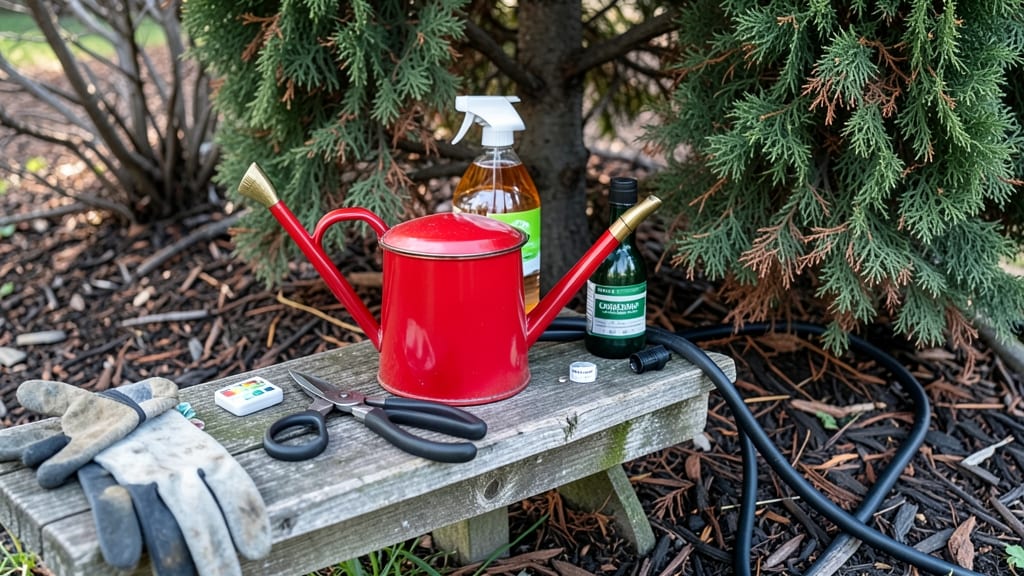
Your cypress tree turning brown treatment isn’t a death sentence—it’s a cry for help from roots starving for oxygen. 🌲 I’ve nursed back three cypresses with brown needles by fixing drainage and aerating soil, and the results are nothing short of dramatic.
The key? Act fast before the problem spreads deeper than the roots.
Most brown cypresses suffer from two culprits: compacted soil cutting off oxygen or fungal cankers blocking water flow. Check for sunken, discolored patches on branches—those are cankers—and look for soil that stays soggy after rain.
Both issues create the perfect storm for needle browning, but they’re fixable with the right steps.
Within 30 days of proper treatment, you’ll see fresh green needles pushing through. The secret is a combo of aerating the soil (yes, even for trees), pruning dead branches (but not too much at once), and adjusting watering to keep roots moist but never waterlogged.
It’s not rocket science—just giving your tree the airflow it’s been begging for.
This works for both swamp cypress and Leyland cypress, though Leylands need extra vigilance against cankers. The same principles apply whether your tree is in a backyard, landscaped bed, or container—just scale the tools to the size. Let’s get those roots breathing again.
Why it happens
When your cypress tree starts turning brown, the problem often traces back to its roots—literally. Oxygen deprivation, poor drainage, or root rot can strangle a tree’s health before you even notice the symptoms above ground.
Understanding the why behind the browning is the first step to saving your tree. Let’s break down the most common culprits and what they mean for your cypress.
🌊 Overwatering and Compacted Soil
Cypress trees thrive in wet conditions, but too much of a good thing can suffocate them. Overwatering—or soil that doesn’t drain properly—leads to anaerobic conditions in the root zone. Without oxygen, roots can’t absorb nutrients or water efficiently, causing stress that manifests as browning needles or branches.
Compacted clay or heavy soil worsens this by trapping excess moisture and blocking airflow.
Why it happens:
- Poor drainage: If water pools around the base for more than a few hours, roots drown in their own soggy environment.
- Overzealous irrigation: Automated sprinklers or frequent watering during rainy seasons can turn the soil into a swamp.
- Soil composition: Clay-heavy soils hold water like a sponge, while sandy soils may drain too quickly—but both extremes disrupt root oxygen levels.
🍄 Fungal Root Rot and Pathogens
Fungi like Phytophthora or Pythium love waterlogged conditions and attack weakened roots. These pathogens break down root tissues, replacing them with black, mushy decay. As the root system deteriorates, the tree can’t transport water and nutrients, leading to browning foliage and even branch dieback.
Why it happens:
- Chronic wetness: Fungi thrive in soils that stay saturated for weeks, often due to poor drainage or overwatering.
- Injured roots: Construction damage, girdling roots, or even over-fertilization can create entry points for pathogens.
- Host susceptibility: Younger cypress trees or those already stressed by drought or poor soil are easier targets.
🔥 Drought Stress and Nutrient Deficiency
While cypress trees tolerate wet conditions, prolonged drought can also turn their needles brown—though the process is different. Without enough moisture, roots shrink and pull away from the soil, reducing their ability to uptake nitrogen, potassium, and magnesium.
Deficiencies in these nutrients cause chlorosis (yellowing) followed by browning as cells die.
Why it happens:
- Shallow root systems: Cypress roots spread horizontally but stay near the surface, making them vulnerable to drying topsoil.
- Competition for water: Weeds, turfgrass, or nearby plants can outcompete your cypress, leaving it thirsty.
- Poor soil fertility: Sandy or depleted soils lack the organic matter to retain moisture and nutrients.
🐛 Pest Infestations Weakening Roots
Below-ground pests like root borers, grubs, or nematodes can chew through roots, disrupting their structure and function.
Even if the damage isn’t visible, the tree’s ability to transport water and nutrients weakens, leading to browning. Spider mites or bagworms above ground can also sap energy, making the tree more susceptible to root stress.
Why it happens:
- Lack of predatory insects: Overuse of pesticides can kill beneficial insects that keep pests in check.
- Mulch or debris buildup: Thick mulch layers or fallen leaves create damp, pest-friendly environments near roots.
- Stressed trees attract pests: Trees already suffering from drought or disease are prime targets.
🌡️ Environmental and Seasonal Factors
Extreme heat, cold snaps, or sudden temperature swings can shock a cypress tree, causing its needles to brown. While cypress trees are generally hardy, winter desiccation (drying out in cold, windy conditions) or summer scorching (from intense sun and heat) can damage foliage directly.
Why it happens:
- Transpirational stress: Wind removes moisture from needles faster than roots can replace it, especially in dry climates.
- Frost damage: Young cypress trees may suffer needle burn if temperatures drop below their tolerance (typically 10–15°F).
- Salt or chemical exposure: Road salt, herbicides, or fertilizers can accumulate in the soil, burning roots and causing browning.
Fixing Brown Cypress Trees Step-by-Step
Now that you know the root causes behind your cypress tree’s browning woes (pun intended!), it’s time to roll up your sleeves and bring it back to life.
Whether it’s root stress, fungal infections, or environmental damage, these actionable solutions will help restore your tree’s health—without breaking the bank or your back.
If your cypress tree is turning brown due to compaction, poor drainage, or root rot, start here.
🔥 Fix Oxygen-Starved Roots
- Aerate the soil with a garden fork or an aeration tool (rent one if needed).
Poke holes 6–12 inches deep around the tree’s drip line (the edge of its canopy). - Add organic matter: Mix in compost, peat moss, or coconut coir to improve soil structure.
Avoid heavy clay or sand—aim for a loamy, well-draining mix. - Check for waterlogging: If your yard stays soggy after rain, consider installing a French drain or raising the soil level slightly around the base.
🍳 Prevent Future Compaction
- Mulch properly: Apply 2–4 inches of mulch (wood chips, pine straw) 3–6 inches away from the trunk—never pile it against the bark.
- Avoid heavy foot traffic near the tree’s root zone.
If you must walk nearby, use boardwalks or stepping stones.
Brown needles could signal fungal diseases (like needle blight) or pests (like bagworms or spider mites).
👨🍳 Treat Fungal Infections
- Prune infected branches with sterilized shears (wipe with rubbing alcohol between cuts).
Remove all brown or blackened needles—don’t leave them on the ground. - Apply fungicide: Use a copper-based fungicide (like Copper Sulfate) or a neem oil spray (1 tbsp neem oil + 1 tsp mild soap per quart of water).
Spray early morning or evening to avoid burning the foliage. - Improve airflow: Thin out dense branches to reduce humidity around the tree.
🥘 Eliminate Pests Naturally
- Handpick bagworms: Look for small, brownish bags on branches.
Drop them in soapy water to kill them. - Spray horticultural oil: Mix 1–2% horticultural oil (like Safer® Brand Oil Spray) and apply when pests are active (spring/fall). - Introduce beneficial insects: Ladybugs and lacewings eat spider mites—buy them online or attract them with native plants.
Overwatering or underwatering can turn your cypress tree into a sad, brown mess.
🔪 Fix Watering Woes - Deep water 1–2 times per week (not daily!).
Use a soaker hose or drip irrigation to deliver water slowly and deeply (6–12 inches down). - Check soil moisture: Stick your finger 2 inches into the soil—if it’s dry, water; if it’s soggy, wait. - Avoid wetting foliage: Water at the base only to prevent fungal growth.
🌡️ Protect from Environmental Stress
- Shade cloth: If your tree is in full sun, drape 30–50% shade cloth during peak summer months (10 AM–4 PM).
- Windbreaks: Plant fast-growing shrubs (like boxwoods) on the windward side to reduce stress.
- Fertilize lightly: Use a balanced, slow-release fertilizer (like 10-10-10) once in early spring—avoid high-nitrogen fertilizers, which can burn roots.
- 💡 Test your soil: Use a home soil test kit (or send a sample to your local extension office) to check pH and nutrient levels.
Cypress trees prefer slightly acidic soil (pH 5.0–6.5). - 🎯 Prune strategically: Remove dead or crossing branches in late winter/early spring to improve airflow and light penetration. - 🌿 Monitor year-round: Keep an eye out for early signs of stress (yellowing, wilting) and act fast—cypress trees recover better when treated early!
Pro Tip: If your tree is severely damaged (50%+ browning), consult an arborist—they can assess whether root pruning or deep fertilization is needed.
With these steps, your cypress tree should bounce back greener than ever in 3–6 months. Stay patient, and keep those roots happy! 🌿💚
Frequently asked questions about reviving brown cypress trees
Why do cypress trees turn brown in patches instead of all at once?
Patchy browning usually signals localized stress—like fungal cankers or pest damage on specific branches. Check for sunken, discolored areas on limbs (a sign of Seiridium canker) or tiny webs (spider mites). If the browning follows a branch pattern, it’s likely a disease or pest issue affecting that section first.
Can I save a cypress tree if half its needles are already brown?
Yes, but act fast! Prune out all dead branches immediately, then focus on root aeration and water management. If the tree still has green growth in the inner canopy, it’s not dead—just stressed. For severe cases, consult an arborist to check for hidden root rot before it spreads.
Is it safe to use household vinegar as a fungicide for cypress trees?
No—vinegar is too harsh and will burn your tree’s foliage. Stick to copper-based fungicides or neem oil mixes (1 tbsp neem + 1 tsp soap per quart of water). Always test sprays on a small branch first to avoid damage.
How often should I water a cypress tree after treatment?
Water deeply 1–2 times per week (not daily!) using a soaker hose. Let the top 2 inches of soil dry between waterings to prevent root rot. In containers, water when the topsoil feels dry to the touch—cypress trees in pots dry out faster.
Will my cypress tree grow back if I cut it back to the ground?
No—cypress trees rarely regrow from stumps. Prune only dead or diseased branches, never more than 25% of the canopy at once. Healthy cypresses recover from strategic pruning, but drastic cuts remove the tree’s energy source.