
Trees
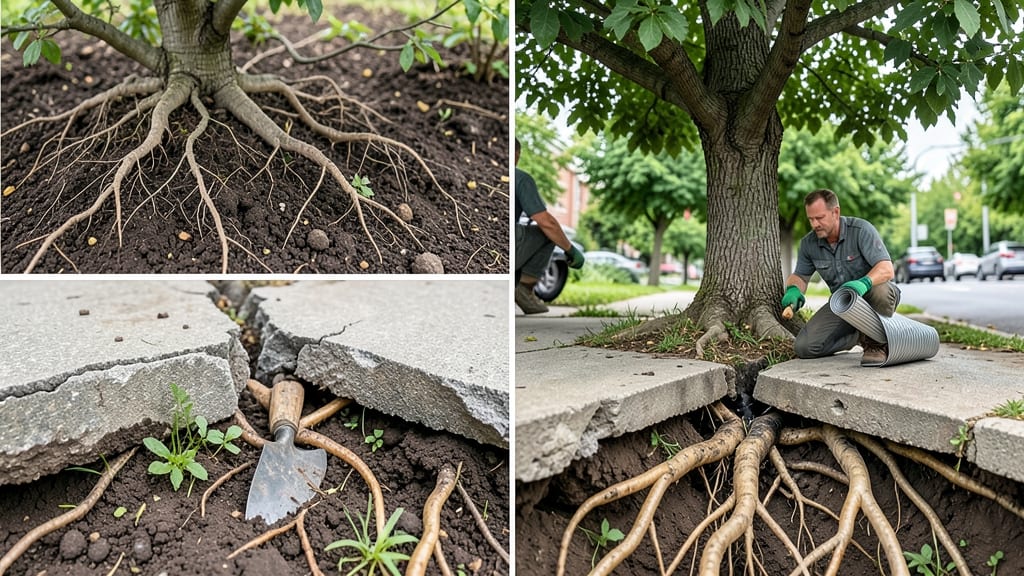
Apple tree roots do cause damage by aggressively spreading beneath surfaces, lifting walkways, cracking foundations, and interfering with underground pipes and drainage systems. Their expansive, shallow root system seeks moisture and nutrients, often clashing with buried infrastructure.
Apple trees develop extensive root networks that can extend 3-4 times wider than their canopy, making them particularly invasive. 🌳 The lateral roots grow horizontally just below the soil surface, where they can exert upward pressure on concrete slabs or push against foundation walls.
This isn't just about size—it's about how these roots prioritize water sources, often targeting irrigation lines or sewer pipes, which can lead to costly repairs. The damage typically worsens over time as the tree matures, so early planning is key if you're planting near structures.
What makes this worse is that apple tree roots also release chemicals that can inhibit neighboring plants' growth, creating competition for resources. This means your carefully landscaped garden might suffer even if the tree itself isn't directly touching other plants.
The good news? Strategic planting—keeping trees at least 20-30 feet from foundations—can reduce these risks significantly while still allowing you to enjoy their fruit and shade.
💡 In This Article
- How Apple Tree Roots Spread and Damage Structures
- Preventing Apple Tree Root Damage: Planting and Maintenance Tips
How apple tree roots spread and damage structures
Apple tree roots grow in a shallow, wide-spreading pattern that prioritizes horizontal expansion over depth. The primary root system develops lateral roots—thick, fibrous branches that spread 3 to 4 times wider than the tree's canopy.
These roots typically stay within the top 12-18 inches of soil, where moisture and nutrients are most accessible. This shallow growth makes them particularly vulnerable to surface disturbances but also highly effective at infiltrating compacted or disturbed soil near driveways, sidewalks, and foundations.
The real damage begins when these roots encounter buried infrastructure. Apple trees are especially aggressive in seeking water, often targeting irrigation lines, sewer pipes, and drainage systems.
The roots can exert hundreds of pounds of pressure per square inch as they grow, lifting concrete slabs, cracking foundations, and even displacing underground utilities.
For example, a mature apple tree's roots can generate enough upward force to heave a sidewalk by 2-3 inches annually, creating tripping hazards and structural weaknesses over time.
The worst conflicts occur when roots intersect with plastic or corrugated pipes, which they can penetrate and clog, leading to costly plumbing repairs.
Another critical factor is the tree's age and maturity. Young apple trees may seem harmless, but their root systems grow at an astonishing rate—sometimes 12-18 inches per year in ideal conditions.
This rapid expansion is why landscapers recommend planting apple trees at least 20-30 feet away from buildings and hardscapes.
The deeper the roots penetrate, the more they can destabilize foundations, particularly in clay-heavy soils where seasonal moisture changes cause roots to swell and contract, exacerbating cracks in concrete or brickwork.
Apple trees also release allelopathic chemicals that suppress competing plants, creating a "root zone monopoly" around their perimeter. This means even if the tree isn't physically touching other vegetation, its roots can stifle growth in nearby shrubs or lawns by 30-50%.
The competition for water and nutrients forces other plants to weaken, indirectly contributing to landscape degradation. This chemical warfare is most pronounced in drought conditions, when apple trees double down on their water-seeking behavior to survive.
To visualize the scale, consider this: a 20-foot-tall apple tree might have a root system spanning 60-80 feet in diameter. That’s enough to encroach on multiple property lines or disrupt underground utilities spanning an entire backyard.
The damage isn’t just structural—it’s also financial, with repairs for lifted sidewalks, cracked foundations, or burst pipes often costing $1,000-$10,000+ depending on the severity. Understanding this growth pattern helps homeowners make informed decisions about placement and long-term maintenance.
The key takeaway? Apple tree roots aren’t just passive structures—they’re dynamic, water-seeking systems designed to dominate their environment. Their shallow, expansive nature makes them both a blessing (for fruit production and shade) and a curse (for nearby infrastructure).
Recognizing this balance is the first step in mitigating potential damage before it becomes irreversible. 🌳