
Light Requirements
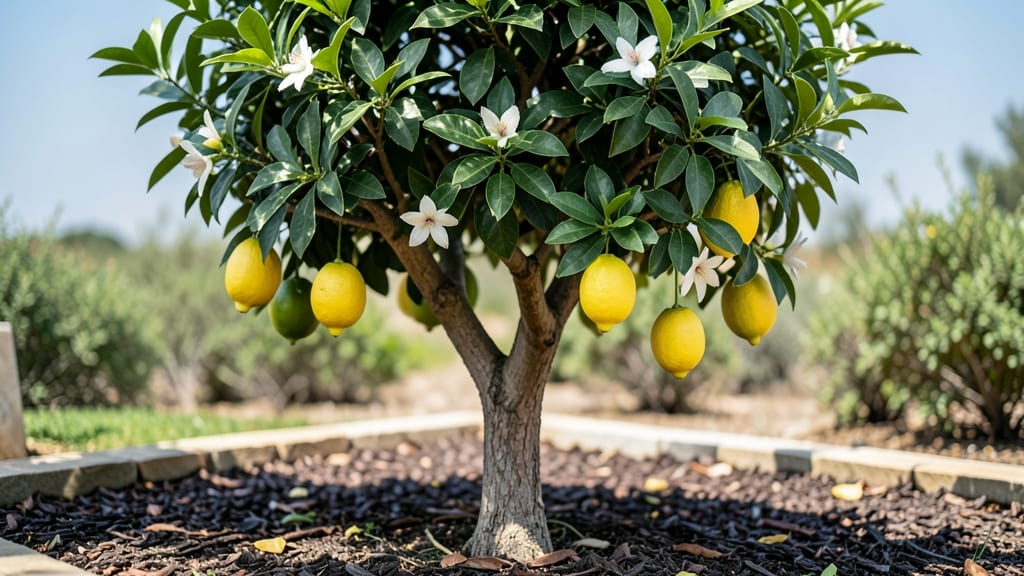
A lemon tree needs a lot of sun to thrive, with 6+ hours of direct light daily for fruit production and healthy growth.
If you’ve ever wondered why your lemon tree isn’t bearing fruit—or worse, is struggling to survive—sunlight might be the missing piece. While these citrus trees love bright conditions, the right amount of sun can mean the difference between a bountiful harvest and a struggling plant.
In warmer climates like USDA Zone 6a, outdoor lemon trees bask in full sun year-round, but indoor growers must replicate this with south-facing windows or grow lights. Too little light leads to sparse foliage and no fruit, while too much can scorch leaves—so balance is key.
Below, I’ll break down the ideal sunlight exposure, how to spot deficiencies, and practical adjustments for both outdoor and indoor lemon trees. Whether you’re planting in spring or troubleshooting an indoor 🍋 companion, this guide keeps your tree happy and productive.


How many hours of sun does a lemon tree need for optimal growth?
Lemon trees are sun-loving plants, but not all varieties require the same amount of sunlight. Understanding your specific lemon tree variety and its sunlight needs is crucial for maximizing growth and fruit production.
Whether you're growing a Meyer lemon, Eureka lemon, or Lisbon lemon, the right balance of sunlight ensures healthy leaves, vibrant blooms, and juicy lemons.
Sunlight drives the photosynthesis process in lemon trees, converting light energy into the sugars that fuel growth and fruit development. Without enough sunlight, your tree may produce fewer lemons or struggle to thrive.
But how do you measure sunlight exposure accurately? Most gardeners rely on direct sunlight hours, which means counting the hours your tree receives unobstructed sun, not filtered light through clouds or leaves.
For Meyer lemon trees, which are more cold-tolerant and adaptable, 6-8 hours of sunlight is the minimum requirement. These trees can even tolerate some afternoon shade, making them ideal for indoor growers with a south-facing window.
However, to achieve the sweet, flavorful lemons they're known for, aim for 8-10 hours of sunlight daily.
The Eureka lemon and Lisbon lemon varieties are more demanding, requiring at least 8 hours of direct sunlight to thrive. These trees produce lemons with higher acidity, which is why they need more intense light.
In ideal conditions with 10-12 hours of sunlight, you’ll see robust growth, frequent blooming, and a consistent harvest of lemons.
If you're growing your lemon tree in a container, placement becomes even more critical. Move your potted lemon tree outdoors during the summer months to maximize sunlight exposure. In winter, bring it indoors near a bright, sunny window or supplement with a grow light to maintain its sunlight needs.
A simple trick is to rotate your pot every few weeks to ensure even growth and prevent the tree from leaning toward the light.
Measuring sunlight exposure accurately involves more than just guessing. Use a sunlight tracker or observe your tree’s shadow throughout the day. If your tree’s shadow is shorter than its height for most of the day, it’s likely getting enough sunlight.
Alternatively, use a light meter to measure the intensity of light in foot-candles. Lemon trees thrive in 5,000-10,000 foot-candles of light, which is roughly equivalent to bright, direct sunlight.
Understanding the photosynthesis process helps explain why sunlight is so critical. During photosynthesis, your lemon tree converts sunlight, carbon dioxide, and water into glucose and oxygen. This glucose fuels the tree’s growth and the development of flowers and fruit.
Without sufficient sunlight, the process slows down, leading to stunted growth, fewer flowers, and smaller lemons. Even if your tree survives with minimal sunlight, it won’t reach its full potential.
For gardeners in cooler climates, where sunlight hours are limited in winter, consider using a grow light to supplement natural light. LED grow lights designed for citrus trees can provide the necessary spectrum of light to keep your lemon tree healthy year-round.
Place the light 12-18 inches above the tree and provide 12-14 hours of light per day during the shorter winter days.
In summary, lemon trees need a significant amount of sunlight to thrive, but the exact requirement varies by variety. While Meyer lemons can tolerate slightly less sunlight, Eureka and Lisbon lemons demand more intense light for optimal fruit production.
By understanding your tree’s specific needs and measuring sunlight exposure accurately, you’ll set your lemon tree up for success and enjoy a bountiful harvest of fresh, homegrown lemons. 🍋🌞
Signs your lemon tree isn’t getting enough sun (and how to Fix it)
If your lemon tree leaves are turning pale or yellow, or if it’s producing fewer lemons than expected, sunlight deprivation might be the culprit. Lemon trees are sun-worshippers, requiring 6-8 hours of direct sunlight daily for optimal growth and fruiting.
Without enough light, they’ll struggle to photosynthesize, leading to weak growth and poor fruit production.
One of the first signs of insufficient sunlight is yellowing leaves, especially on the lower branches. This is often accompanied by stunted growth—your tree might look leggy or sparse, with long gaps between branches.
Even if your lemon tree survives in low light, it’ll rarely produce the bright, juicy lemons you’re hoping for.
Another red flag is small, sparse fruit or flowers that drop before maturing. Lemon trees need ample sunlight to develop energy-rich sugars in their fruit, so if they’re not getting enough light, they’ll prioritize survival over fruiting. Even established trees can revert to a shrub-like appearance when deprived of sunlight.
⚠️ Warning: Low Sunlight = Lemon Tree Struggles
Lemon trees cannot thrive with less than 6 hours of sunlight. Without adequate light, they’ll:
- ❌ Develop weak, leggy stems (etiolation)
- ❌ Produce tiny, bitter lemons (or none at all)
- ❌ Lose lower leaves due to poor energy production
🌱 Fix it fast: Move outdoors or supplement with grow lights (12-14 hours/day).
If you’re growing your lemon tree indoors, check its location first. A north-facing window won’t cut it—these trees need south- or west-facing exposure for maximum light. Even in bright rooms, artificial grow lights can help bridge the gap, especially in winter months when daylight is shorter.
For outdoor trees, prune dense foliage to improve light penetration to the inner branches. Thin out any overgrown branches blocking sunlight from reaching the center of the tree. If your lemon tree is in a shady spot, consider relocating it to a sunnier area of your yard or balcony.
To test if your lemon tree is getting enough sunlight, use a sunlight tracker or observe its shadow during peak sun hours (10 AM–2 PM). If the shadow is faint or nonexistent, it’s not receiving direct sunlight.
For potted trees, rotate them quarter-turns weekly to ensure even light exposure on all sides.
Remember, lemon trees need sunlight for survival, not just fruit production. Without it, they’ll become stressed, vulnerable to pests, and far less productive. Adjusting their light exposure could mean the difference between a thriving citrus tree and a struggling one.