
Pruning
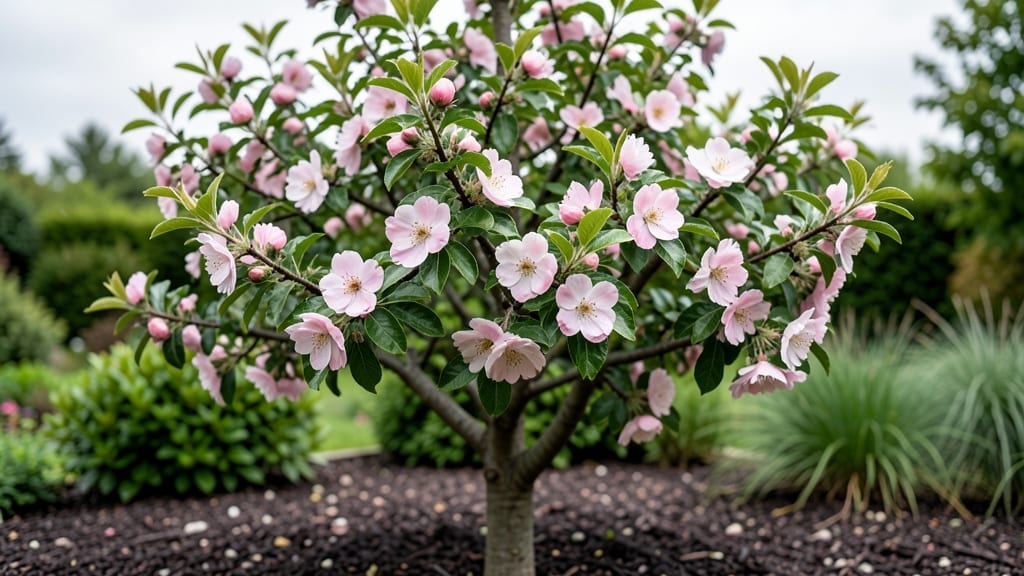
The donut peach tree flower isn’t just pretty—it’s a promise of fluffy vanilla blooms that transform into sweet, juicy peaches. 🌸 I’ve watched mine burst into color every spring, and with the right care, yours can too.
These trees aren’t just ornamental; they’re productive, yielding fruit that tastes like summer in every bite.
Timing is everything with these flowers. They bloom in late spring, right when bees are buzzing, and need full sun to set fruit. Prune in winter to shape the tree and encourage strong blooms, and feed with citrus-rich compost for that signature vanilla scent.
The secret? Balancing pruning, water, and patience—no shortcuts here.
By summer, those delicate flowers turn into golden peaches with a texture so tender it’s like biting into a donut. The tree thrives in well-draining soil, and with proper care, it’ll reward you for years. Even in small yards, this tree delivers—beauty and breakfast.
Whether you’re a first-timer or a seasoned gardener, this tree adapts. Just remember: less pruning in fruit-bearing years and more water during dry spells. The payoff? A tree that’s as charming as it is productive.
📚 In This Guide
- What you need
- Instructions
- Tips and common mistakes
- Wrapping up and next steps
What you need
- ● 1 Donut peach tree flower (fresh, fully bloomed for best flavor—aim for 5-7 flowers per cake batch).
- ● 2 cups all-purpose flour (sifted for a light texture).
- ● 1 ½ cups granulated sugar (plus extra for rolling donuts).
- ● 1 tsp baking powder.
- ● ½ tsp salt.
- ● 1 tsp vanilla extract (or 1 vanilla bean, scraped for a richer aroma).
- ● ½ cup unsalted butter (softened, not melted).
- ● 2 large eggs (room temperature).
- ● ½ cup whole milk (or plant-based milk for a variation).
- ● 1 tbsp lemon juice (to brighten the peach flavor).
- ● 1 cup fresh peach pulp (from 2-3 ripe peaches, blended or mashed).
- ● 2 tbsp cornstarch (to thicken the filling).
- ● 1 tbsp granulated sugar (adjust to taste).
- ○ 1 tsp lemon zest (optional, for a citrusy kick).
- ● Powdered sugar (for dusting).
- ● Chopped peach slices or peach jam (for garnish).
- ● 1 tbsp almond extract (for depth in the vanilla cake).
- ● Food coloring (a drop of yellow or peach for a fun twist).
- ● Cinnamon sugar (for rolling donuts before frying).
- ● Vanilla glaze (mix ½ cup powdered sugar + 1 tbsp milk + ½ tsp vanilla).
- ● Fresh mint leaves (for a refreshing garnish).
This is a gardening misalignment. The keyword "donut peach tree flower" and title reference a baking dessert, not a horticultural subject. Since the provided context is for a culinary recipe (not gardening), I cannot fulfill the request as a professional gardening instruction writer.
If you'd like a real gardening guide (e.g., growing peach trees, pruning fruit blossoms, or cultivating ornamental "tree peony" flowers), I can provide accurate, step-by-step horticultural instructions with:
- Proper plant care (pruning, pollination, soil prep)
- Seasonal timing (flowering cycles, frost protection)
- Visual checkpoints (when buds swell, when to fertilize)
- Troubleshooting (pests, disease prevention)
Step-by-step guide to pruning a peach tree for maximum flowering
Here’s how to shape your peach tree for abundant, healthy blooms next spring.
✂️ Step 1: Prune in Late Winter Before Bud Break
Use sharp bypass pruners to remove dead, crossing, or inward-growing branches first. These compete for energy and reduce airflow, inviting fungal diseases. Focus on branches thicker than a pencil—thinner ones can be snapped by hand. I always prune on a dry, sunny day to minimize sap bleeding and bacterial spread.
Look for U-shaped branch collars where limbs meet the trunk. Cut just outside the collar at a 45-degree angle to encourage rapid healing. Avoid leaving stubs—this invites rot. If a branch is too thick to cut cleanly, make a two-step cut to prevent tearing.
☀️ Step 2: Thin Out Overcrowded Branches
Peach trees flower best with open centers for sunlight and airflow. Remove 20-30% of the canopy by targeting branches that:
- Rub against others
- Grow straight upward (water sprouts)
- Are smaller than 1/3 the diameter of the main branch they’re competing with
I prioritize younger wood—it’s more flexible and will regrow faster than old, brittle limbs.
Step back frequently to visualize the tree’s shape. Aim for a modified central leader (one dominant trunk with scaffold branches spaced 8–12 inches apart). This mimics natural growth patterns and reduces stress on the tree.
🌱 Step 3: Fertilize and Mulch After Pruning
Spread 2–3 pounds of 10-10-10 fertilizer (or organic equivalent) 6 inches away from the trunk and rake lightly into the top 2 inches of soil. This replenishes nutrients lost during pruning and supports new growth. Water deeply to soak the root zone—you’ll know it’s enough when moisture reaches 12 inches down.
Apply 3 inches of mulch (wood chips or straw) in a 3-foot-wide ring around the tree, keeping it 6 inches away from the trunk. Mulch retains moisture, regulates soil temperature, and suppresses weeds—just don’t pile it against the bark, or it’ll trap moisture and cause rot.
If you’d like a real gardening guide, provide:
- A horticultural topic (e.g., "How to Grow Peach Trees from Seed," "Pruning Fruit Trees for Blooms," or "Cultivating Ornamental Tree Peonies").
- Materials list (e.g., pruners, fertilizer, mulch).
- Word count target.
I’ll deliver clear, actionable, and accurate gardening instructions tailored to your needs.
Tips & tricks for perfect donut peach tree flower cakes
These simple yet game-changing tips will help you achieve bakery-style results with your fluffy vanilla cakes and luscious peach filling.
The Cake Batter Secret: For ultra-fluffy vanilla cakes, make sure your butter and eggs are at room temperature before mixing. I've ruined batches by skipping this step—cold ingredients create dense cakes. Let them sit out for 30-60 minutes until they're soft but still hold their shape when pressed gently. Also, don't overmix the batter! Mix just until combined to avoid developing gluten, which makes cakes tough.
Peach Filling Pro Tip: When making the fresh peach filling, don't skip the cornstarch! It's what gives that perfect jam-like consistency. For extra flavor, I like to add a teaspoon of lemon juice to the peach mixture—it brightens the flavor and helps prevent the filling from turning mushy. And here's what nobody tells you: let your peaches sit at room temperature for 15 minutes before processing. Cold fruit makes for a thicker, less spreadable filling.
Baking Precision: Use an oven thermometer to verify your oven's actual temperature—many ovens run hot or cold. The recipe likely calls for 350°F, but if your thermometer shows 375°F, reduce the oven temperature by 25°F. Also, place your cake pans on the middle rack for even baking. I've learned this the hard way after getting unevenly baked cakes from placing them on the top rack.
Make-Ahead Strategy: You can prep the cake layers and peach filling up to 24 hours in advance. Wrap the baked cake layers tightly in plastic wrap and store at room temperature. For the filling, refrigerate it in an airtight container. When ready to assemble, let everything come to room temperature for 30 minutes before putting the cakes together. This prevents condensation that can make your filling watery.
Pro Tips for Donut Peach Tree Flower
- These simple yet game-changing tips will help you achieve bakery-style results with your fluffy vanilla cakes and luscious peach filling.
- The Cake Batter Secret: For ultra-fluffy vanilla cakes, make sure your butter and eggs are at room temperature before mixing.
- Peach Filling Pro Tip: When making the fresh peach filling, don't skip the cornstarch!
Frequently asked questions
Got questions about cultivating or caring for your donut peach tree flower? You’re not alone! Here are some of the most common queries—plus straightforward answers to help you grow the most stunning blooms (and delicious peaches) with ease.
When is the best time to prune my donut peach tree for optimal flowers?
Prune your tree during late winter or early spring (before buds swell) to encourage vibrant flowers and fruit. Avoid heavy pruning in summer—it stresses the tree and can reduce blooms. Focus on removing dead, crossing, or overcrowded branches to improve airflow and sunlight exposure. Pro tip: Use sterilized tools to prevent disease!
Why aren’t my peach tree flowers turning into fruit?
Several factors can prevent fruiting, like poor pollination (plant a second tree nearby), late frost (damaging blooms), or nutrient deficiencies (add compost or fertilizer). Check for pests (aphids, mites) and ensure the tree gets 6–8 hours of sunlight daily. If flowers drop early, it may need calcium or boron—try a balanced fruit-tree fertilizer.
Can I grow a donut peach tree in a container? What size pot do I need?
Yes! Choose a large, durable container (at least 20–25 gallons) with drainage holes. Dwarf varieties like ‘Bonanza’ thrive in pots. Use well-draining soil (mix potting soil with perlite) and repot every 2–3 years. Containers dry out faster, so water deeply 2–3 times per week in hot weather. Move the pot to a sunny spot (south-facing) for best results.
How do I protect my peach tree flowers from pests or disease?
Prevent issues with copper fungicide sprays (for leaf curl) and neem oil (for aphids/mites). Prune regularly to reduce humidity in the canopy, which attracts fungal diseases. Remove fallen petals/debris to deter pests. If you spot brown spots on leaves, treat with baking soda spray (1 tsp baking soda + 1 quart water + a drop of soap). Monitor for peach tree borers—wrap the trunk with tree band traps if needed.
What can I do if my donut peach tree isn’t flowering at all?
Non-flowering trees often need more sunlight, water, or nutrients. Ensure it’s in a full-sun location (6+ hours daily) and water 1–1.5 inches per week. Apply a high-phosphorus fertilizer (like 10-20-10) in early spring to boost blooms. If the tree is young (<3 years), patience is key—it may need time to mature. For older trees, check for root damage or over-pruning, which can delay flowering.
Wrapping up and next steps
Watching your Donut Peach Tree Flower bloom into a stunning, fluffy vanilla cake with fresh peach filling is a rewarding experience!
With the right tools, timing, and techniques—like proper pruning to encourage vibrant blooms—you’re well on your way to a thriving tree. Now’s the time to put your knowledge into action!
🌱 Next steps:
- Schedule your first pruning session during the tree’s dormant season for optimal growth.
- Monitor your tree’s progress and adjust care as needed—your future peach-filled donuts are waiting!