
Pruning
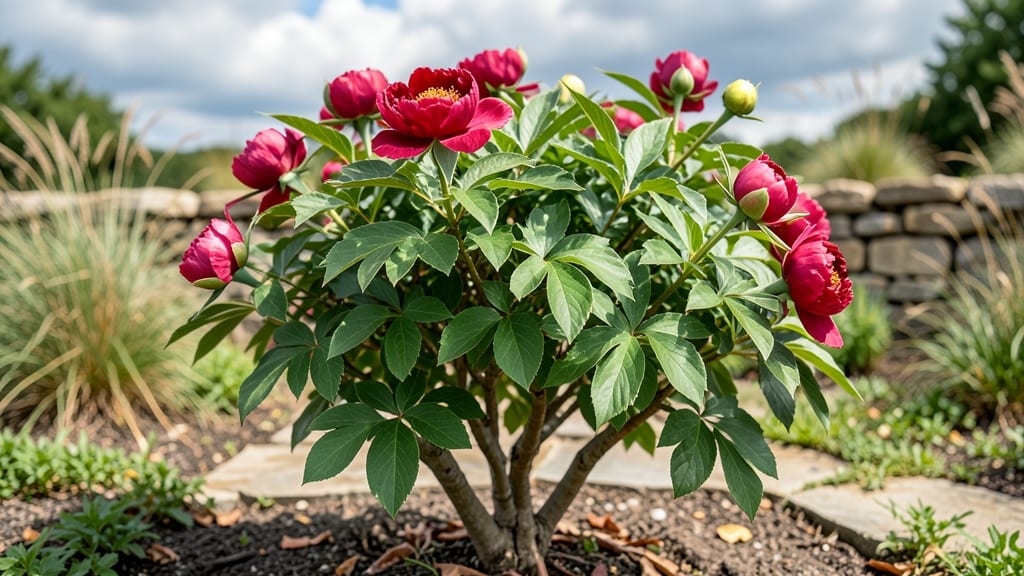
The shape of a tree peony 🌸 leaf is like a fingerprint for its variety—each lobed pattern tells a story about what you’re growing.
Tree peonies dazzle with their stunning blooms, but their leaves hold hidden secrets—each variety boasts a distinct lobed pattern that can help you identify them with confidence.
From the bold, deeply cut lobes of 'Shin-Shu' to the delicate, almost feather-like edges of 'Koyo-Nishiki,' these differences aren’t just for show. They reveal how your plant will grow, how much sun it craves, and even how hardy it is in Zone 6a.
In this guide, I’ll break down the key features—number of lobes, serration depth, and texture—that set each variety apart, so you can match your tree peony to its leaf shape with ease.
How to identify tree peony leaf shapes by lobed patterns
Tree peonies (Paeonia suffruticosa) are prized for their showy flowers, but their leaves are just as distinctive. Each variety develops a unique lobed pattern that acts like a fingerprint—once you learn these shapes, you'll identify your plants with ease.
The number of lobes, serration depth, and leaf arrangement vary dramatically between cultivars, making leaf morphology a gardener's secret weapon for accurate variety identification.
For example, the 'Shin-Shu' variety features 5-7 deeply cut lobes with sharp serrations, while 'Koyo-Nishiki' displays 3-5 broader lobes with softer edges. These differences aren't just visually striking—they also hint at the plant's growth vigor and care requirements.
Let's dive into the key features that set these varieties apart, starting with a visual comparison of their most defining traits.
When examining tree peony leaves, focus on three key areas: the number of lobes, the depth of serrations, and the overall leaf shape.
For instance, 'Shin-Shu' leaves resemble feather-like ferns with their deeply cut lobes, while 'Katsura' has a more classic peony silhouette with broad, rounded lobes. This distinction becomes even clearer when comparing juvenile vs. mature leaves—young leaves often have fewer lobes that develop as the plant matures.
Another critical detail is the leaf arrangement. Tree peonies typically grow in pinnate patterns (multiple leaflets on a central stem), but the angle and spacing between leaflets can vary. 'Koyo-Nishiki' often displays a more open arrangement, while 'Haku-Yakyo' leaves appear densely packed along the stem.
Pay attention to these subtle differences—they're often the clues that help distinguish similar-looking varieties.
For accurate identification, examine leaves mid-summer when they've fully developed. Early spring leaves may be smaller and less lobed, while fall leaves might show color changes (like bronze or purple tints) that can further differentiate varieties.
If you're still unsure, compare your specimen to high-resolution images or consult a local peony society—their experts often rely on leaf morphology for variety confirmation.
Understanding these patterns isn't just for show—it helps you tailor care to each variety. For example, deeply lobed varieties like 'Shin-Shu' often grow more vigorously and may need slightly more frequent pruning to maintain shape.
Meanwhile, broad-lobed types like 'Katsura' tend to be more drought-tolerant once established. These leaf clues give you a head start on providing the perfect growing conditions.
Pro tip: Take close-up photos of your tree peony leaves from multiple angles. The underside of leaves can reveal unique hairiness or vein patterns that further distinguish varieties. For example, 'Kifu' often shows fuzzy undersides, while 'Haku-Yakyo' leaves have smooth, almost waxy surfaces.
These details might seem minor, but they're often the deciding factors in identification puzzles.
If you're growing multiple tree peony varieties, consider creating a leaf shape reference chart for your garden. Snap photos of each plant's foliage at different stages and compare them side by side.
Over time, you'll develop an intuitive sense for these patterns—almost like recognizing old friends. And remember, even experienced growers
Tree peony leaf variations: what your plant’s shape reveals about its care needs
Your tree peony’s leaf shape isn’t just for show—it’s a roadmap to its care needs. Deeper lobes often signal vigorous growth and higher sunlight tolerance, while narrower leaves may indicate slower maturation or cooler climate preferences.
Understanding these patterns helps you tailor pruning, fertilization, and even hardiness zone adjustments for optimal health.
For example, varieties like 'Koyo-Nishiki' with deeply divided leaves thrive in full sun and require regular pruning to maintain shape, while varieties like 'Shin-Shu' with broader lobes tolerate partial shade better. The right leaf shape clues you into how much water, sunlight, and nutrients your plant truly needs to flourish.
| Leaf Shape | Growth Habit | Sunlight Needs | Pruning Needs | Hardiness Zone |
|---|---|---|---|---|
| Deeply lobed (5+ lobes) | Fast, upright growth | Full sun (6+ hrs) | Heavy pruning yearly | Zones 5-8 |
| Moderately lobed (3-4 lobes) | Medium growth rate | Partial sun (4-6 hrs) | Light pruning yearly | Zones 4-9 |
| Broad, shallow lobes | Slow, compact growth | Partial shade (3-4 hrs) | Minimal pruning | Zones 6-9 |
If your tree peony has deeply lobed leaves, it’s likely a sun-loving variety that benefits from regular fertilization during spring. Apply a balanced 10-10-10 fertilizer every 4-6 weeks to support its vigorous growth.
These varieties also need heavy pruning in early spring to remove dead branches and encourage new shoots.
For moderately lobed varieties, focus on partial sun exposure and light pruning to maintain shape. These plants often thrive in cooler climates (Zones 4-9) and require less frequent fertilization. A light spring feed is usually sufficient to keep them blooming beautifully without overstimulating growth.
Varieties with broad, shallow lobes are perfect for shadier gardens and need minimal care. They grow more slowly, so avoid heavy pruning—just remove dead foliage in early spring. These plants often do well in Zones 6-9 and prefer well-draining soil to prevent root rot.
Pay attention to your tree peony’s leaves year-round. Yellowing or curling can indicate overwatering or nutrient deficiencies, while brown edges often signal underwatering or too much sun.
Adjust your care based on what the leaves are telling you—your tree peony’s shape is its way of communicating its needs! 🌿