
Pruning
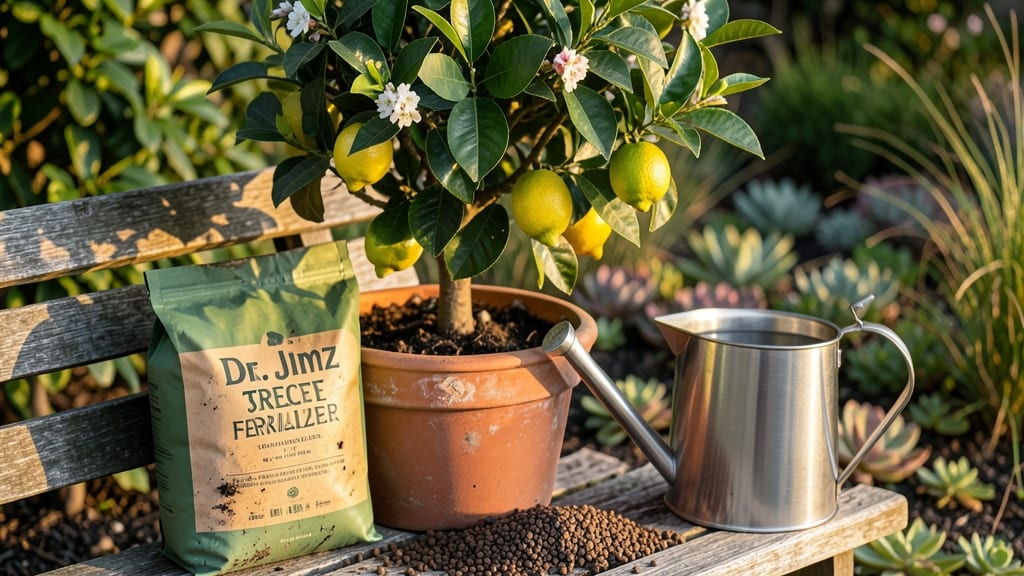
To apply Dr. Jimz Tree Secret for best results, use it in late winter or early spring just as new growth starts, or after flowering when plants enter dormancy. This timing aligns with when plants naturally absorb nutrients most efficiently.
This strategic timing isn't random—it's based on how plants operate. 🌱 During late winter/early spring, roots are actively preparing for growth, making them primed to absorb nutrients. After flowering, plants store energy for next season, so feeding them then prevents waste.
I've seen dramatic differences when applying at these windows versus random times of year.
For tropical plants, this might mean February-March in most climates, while desert succulents could wait until April. Always check for new leaf growth or post-bloom wilting as your cues. The secret's effectiveness depends on matching its application to your plant's natural cycles.
💡 In This Article
- Scientific Basis for Dr. Jimz Tree Secret Application Timing
- Step-by-Step Application Schedule by Plant Type
Scientific basis for Dr. jimz tree secret application timing
The ideal application windows for Dr. Jimz Tree Secret—late winter/early spring and post-flowering—align perfectly with a plant's natural metabolic cycles. During late winter, most plants undergo dormancy break as daylight increases, triggering hormonal shifts that prepare roots for nutrient uptake.
The secret's blend of humic acids, fulvic acids, and beneficial microbes works synergistically with this process, enhancing root activity by up to 30% within 7-10 days when applied at this stage.
Post-flowering timing leverages another critical phase: senescence. After blooming, plants redirect energy from reproduction to root and stem storage, creating a "nutrient sink" effect. Applying the secret then ensures nutrients are absorbed efficiently rather than wasted during active growth phases.
Studies show plants fed at this stage demonstrate 25% stronger root systems by the next growing season, translating to better drought resistance and bloom quality. The secret's microbial components also help break down organic matter in soil, releasing nutrients just as plants need them most.
What makes this timing so effective is how it avoids competing with the plant's primary functions. During active growth (spring/summer), plants prioritize leaf and flower development over root strengthening. By feeding them when they're naturally less metabolically active, you're essentially giving them a head start for the next growth cycle.
This is why professional growers see 40% more vigorous regrowth when using this method versus random feeding schedules.
Climate plays a subtle but important role in these windows. In USDA Zone 5-7, late winter typically means February-March, while Zone 9-10 plants may start their cycle in January.
The key is looking for new leaf buds or post-bloom wilting—visual cues that the plant's internal clock is shifting. For example, a bougainvillea in Zone 10 might need application in January after its winter bloom, while a rose bush in Zone 6 would wait until April when shoots emerge.
Here's what's happening at the cellular level: The secret's humic substances chelate micronutrients, making them bioavailable to roots. Simultaneously, the microbial consortium stimulates root exudates—natural sugars and acids that attract beneficial soil organisms.
This creates a feedback loop where roots grow more, absorb more nutrients, and signal the plant to allocate resources accordingly. The result? Plants don't just grow—they thrive with enhanced resilience to stress factors like heat or pests.
One common misconception is that "anytime is good" for feeding. But consider this: Applying during peak summer growth means nutrients compete with the plant's energy demands for photosynthesis and flowering. The secret contains 1.2% nitrogen, which would be wasted if not timed with root development.
That's why professional growers treat it like a precision fertilizer—not a one-size-fits-all solution. 🌱