
Pruning
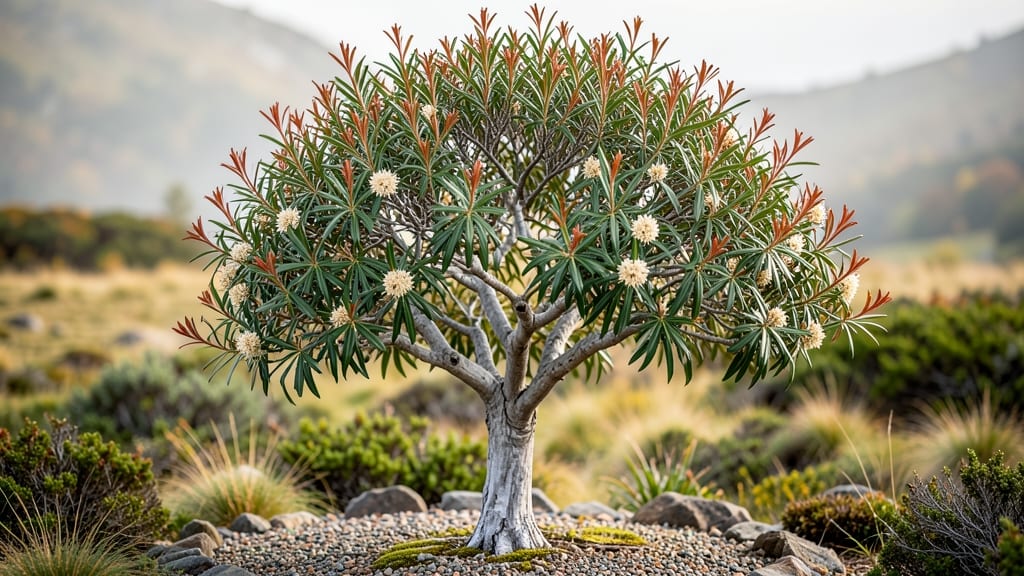
Eucalyptus trees in Zone 7 can only reliably grow in USDA zones 8–11, though cold-resistant types like Eucalyptus pauciflora (snow gum) endure brief 10°F (-12°C) dips with protective measures. Strategic winter care—like mulching and trunk wrapping—boosts their survival odds.
Most eucalyptus species originate from Australia's mild climate, where freezing temperatures rarely occur. 🌳 That's why their natural cold tolerance tops out around 20°F (-6°C)—any lower risks leaf damage or death.
The snow gum (Eucalyptus pauciflora) stands out as the hardiest option for Zone 7, thanks to its thicker bark and smaller leaves that reduce moisture loss. For other varieties, winter prep isn't optional—it's survival insurance.
When selecting eucalyptus for colder climates, focus on microclimates—planting near south-facing walls or slopes can add crucial degrees of warmth. Young trees need extra protection: wrap trunks in burlap and mound mulch 4-6 inches deep around the base.
Even with these steps, expect some leaf scorch during harsh winters—it's a trade-off for keeping the tree alive.
💡 In This Article
- Cold Tolerance Limits of Eucalyptus Species in Zone 7
- Winterizing Eucalyptus Trees for Zone 7 Climates
Cold tolerance limits of eucalyptus species in Zone 7
Eucalyptus trees evolved in Australia's frost-free climate, which explains why most species can't handle Zone 7 winters.
Their natural cold tolerance maxes out around 20°F (-6°C), where ice crystals form in leaf cells and disrupt photosynthesis. 🌬️ The key difference between hardy and tender species lies in their leaf structure: smaller, thicker leaves like those on Eucalyptus pauciflora (snow gum) reduce surface area for moisture loss, while large-leaved varieties like Eucalyptus globulus suffer more damage when temperatures drop.
The bark thickness plays a crucial role too. Snow gum develops a 1/4-inch thick bark by maturity, acting like natural insulation against cold winds.
Compare that to E. globulus, whose thinner bark offers little protection—its leaves often turn brown and crispy when exposed to 15°F (9°C) for more than a few hours. Root systems also matter: eucalyptus with deeper taproots can access unfrozen soil moisture longer, giving them a survival advantage during winter.
What most gardeners don't realize is that eucalyptus trees actually transpire (release moisture) even in cold weather. This constant water loss weakens their cold resistance. 🌡️ That's why mulching becomes critical—it helps maintain soil moisture and insulates roots.
The snow gum's ability to survive 10°F (-12°C) stems from these combined adaptations: smaller leaves, thicker bark, and deeper roots that work together to minimize stress during cold snaps.
For comparison, consider how citrus trees (another tender species) handle cold: they can survive 25°F (-4°C) with proper care, but eucalyptus struggle even at those temperatures. The science shows that eucalyptus' natural defenses are simply outmatched by Zone 7's winter extremes.
Even with winter protection, expect some leaf damage—it's the tree's way of conserving energy when photosynthesis slows down.
Here's what happens during a hard freeze: ice formation in leaf cells creates sharp crystals that rupture cell walls, leading to that familiar brown, crispy appearance.
In snow gum, the damage is usually limited to outer leaves because the tree prioritizes protecting its core growth points. 🌿 This selective damage is nature's way of ensuring the tree's survival—sacrificing some foliage to preserve the main structure.
When selecting eucalyptus for Zone 7, prioritize species with these cold-resistant traits: smaller leaves (1-2 inches long), bark thickness of at least 1/4 inch, and deep root systems. The snow gum meets all these criteria, making it the best choice for colder climates where other varieties would perish.