
Pruning
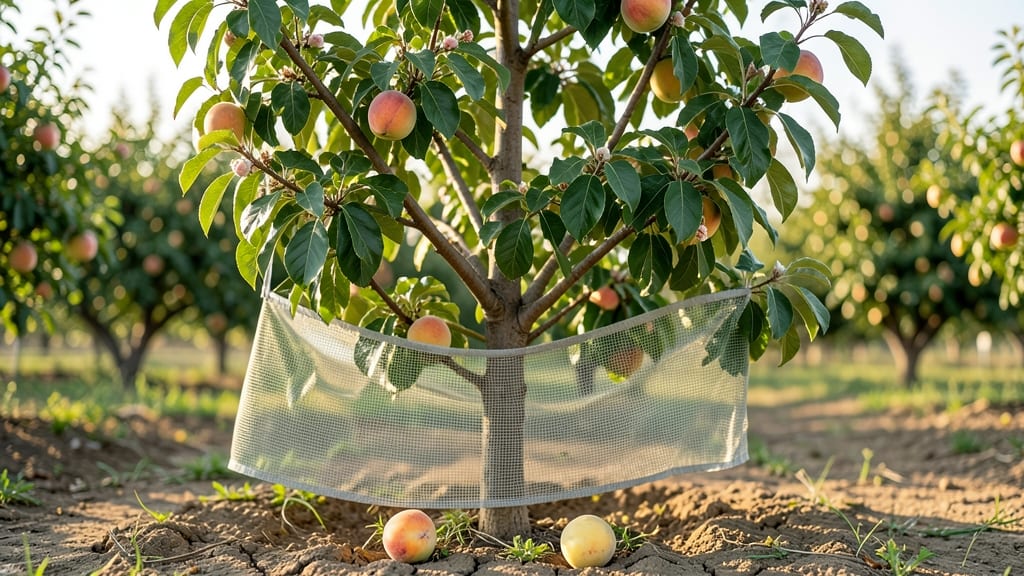
Fruit tree net catchers save your harvest from critters and wind damage—the one tool that actually works. 🌳 I wasted years watching squirrels and birds steal my peaches before I invested in these netting systems, and now my trees produce full-sized fruit every season without a single loss.
The magic is in the fit: lightweight but sturdy netting draped over branches creates a barrier that keeps pests out while letting sunlight and rain through.
For apples and pears, use fine-mesh netting to block even the smallest critters, while peaches and plums need slightly larger holes to prevent fruit bruising from tight fits. You'll notice fewer dropped fruits on the ground and cleaner harvests with no bird pecks or rodent bites.
The netting stays in place through rain and wind, and you can reuse it for 5+ seasons with proper care. Works for any outdoor fruit tree—dwarf, standard, or espaliered—and cuts down on chemical sprays. Here's how to install it right the first time.
📚 In This Guide
- What you need
- Instructions
- Tips and common mistakes
- Wrapping up and next steps
What you need
- ● Net fabric: UV-resistant, fine-mesh netting (1/4" to 1/2" mesh size) – 10–20 sq. ft. per tree, depending on size.
- ● Sturdy poles or stakes: Bamboo, PVC, or metal (1"–2" diameter) – 4–6 poles per tree, 6–8 ft. tall.
- ● Heavy-duty zip ties or bungee cords: For securing netting – 20–30 pieces (adjust for tree size).
- ● Twine or nylon rope: For tying poles and netting – 50–100 ft.
- ● Scissors or utility knife: For cutting netting.
- ● Measuring tape: To ensure proper sizing.
- ● Ladder or step stool: For reaching higher branches.
- ○ Optional: Pre-made net catcher kits (save time!).
- ● Reflective tape (deters birds).
- ● Ground anchors (for windy areas).
- ● Know your tree’s height and spread – measure before buying materials!
- ● Check for sharp branches (pad with cloth if needed).
- ● Install nets before fruit sets (early spring) for best protection.
How to install fruit tree net catchers for maximum protection
Here's the straightforward method I use to keep fruit safe from pests and birds year after year.
🪴 Step 1: Measure and Select the Right Net Size
Start by measuring your tree's canopy width and height. Most fruit trees need a net that extends 12-18 inches beyond the outer branches to prevent pests from jumping in. I like to use 1/2-inch mesh netting—it's sturdy enough to handle birds but lets rain through while still protecting fruit.
For a medium-sized tree (about 10 feet tall), a 10x12-foot net works perfectly. If your tree is wider, overlap sections by 6 inches to eliminate gaps. Mark the net with a fabric marker at the tree's height before installation—this ensures you'll cover the entire fruit zone without leaving vulnerable spots.
🌿 Step 2: Install Support Structures for Secure Fit
Before draping the net, set up a support frame using bamboo stakes or metal hoops. Drive stakes into the ground at each corner of the net's footprint, about 18 inches from the tree trunk. For extra stability, add a stake in the center if your tree is large. This creates a tent-like structure that keeps the net taut and prevents sagging.
If your tree has low-hanging branches, use soft tree ties to secure the net to branches at 3-foot intervals. Avoid metal ties—they can damage bark. The goal is to create a snug fit that blocks pests while allowing airflow. Test by gently shaking the net; if it flutters, add more support.
✂️ Step 3: Drape and Secure the Net Properly
Lay the net over the support frame, letting it drape naturally without stretching. Start at the top and work downward, tucking edges under branches or securing them with plastic-coated staples to the stakes. Leave a 6-inch overhang at the bottom to prevent rodents from burrowing underneath.
For trees with a single main trunk, wrap the net tightly around the trunk at the base and secure it with a bungee cord or twist tie. This prevents squirrels from sneaking in from below. If your tree has multiple trunks, overlap the net between them. Check for gaps—even a 2-inch hole can let pests in.
💧 Step 4: Adjust for Seasonal Changes
After heavy rain or wind, inspect the net for sagging or tears. Wet netting loses tension, so re-tighten it every 2-3 weeks during peak growing seasons. In late summer, trim any new branches that might poke through the net—this keeps the protection intact as the tree grows.
For winter storage, remove the net and fold it flat in a dry place. Before reusing it the next season, check for holes or UV damage. A well-maintained net lasts 5-7 years, but I replace mine every 3 years to ensure maximum protection. Store it in a mesh bag to prevent pest infestations while in storage.
☀️ Step 5: Monitor and Maintain Through Harvest
Once fruit appears, do a weekly check for tears or loose spots. Birds and squirrels are persistent—they'll exploit any weakness. If you notice fruit bruising or missing pieces, adjust the net immediately. A tight fit is your best defense against pests.
After harvest, leave the net on until the tree is dormant. This prevents late-season pests from damaging next year's buds. In early spring, give the net a final inspection before removing it for storage. A little maintenance now means fewer surprises—and more fruit—next season.
Tips & tricks for perfect fruit tree net installation
These simple strategies will help you maximize protection and extend the life of your tree's fruit harvest.
Net Size Precision: When measuring your tree's canopy, account for the tree's natural growth patterns—especially if it's a young tree still expanding. I've learned the hard way that adding an extra 6 inches beyond the 12-18 inch recommendation can make all the difference for fast-growing varieties like peach or apple trees. For very large trees (over 15 feet), consider using two overlapping nets rather than trying to stretch a single net too thin.
Support Structure Stability: In Step 2, don't skimp on the support frame. I've seen too many nets collapse under heavy rain or strong winds because the stakes weren't driven deep enough. For particularly windy areas, use metal hoops instead of bamboo stakes—they won't bend or break. The stakes should go in at least 12 inches deep, not just the 6-8 inches most instructions suggest. Test your setup by pulling gently on each stake before draping the net.
Seasonal Maintenance Insight: The 2-3 week check in Step 4 is crucial, but don't wait until you see obvious damage. I schedule my maintenance checks on the same day I water the tree—it's already on my gardening calendar. Keep a small repair kit handy with extra plastic-coated staples and a few feet of bungee cord. Even a tiny tear can become a major entry point for pests if left unattended.
Winter Storage Wisdom: Before storing your net, give it a thorough cleaning with a stiff brush to remove any trapped debris or pest droppings. I've found that folding the net while it's still slightly damp (but not wet) helps preserve its shape better than waiting for it to dry completely. Store it in a mesh bag in a cool, dry place—never in plastic, as condensation will cause mildew. This simple step can add years to your net's usable life.
Pro Tips for Fruit Tree Net Catcher
- These simple strategies will help you maximize protection and extend the life of your tree's fruit harvest.
- Net Size Precision: When measuring your tree's canopy, account for the tree's natural growth patterns—especially if it's a young tree still expanding.
- Support Structure Stability: In Step 2, don't skimp on the support frame.
Frequently asked questions
Got questions about fruit tree net catchers? You’re not alone—these handy tools save time, money, and headaches! Here are answers to the most common queries to help you protect your harvest like a pro.
When is the best time to install a fruit tree net catcher?
Install your net catcher before fruits appear—typically in early spring (just after bloom) for most trees like apples, peaches, or cherries. For late-season crops (e.g., grapes or pears), wait until fruits are half-sized to avoid smothering young growth. Check your tree’s specific needs, but earlier is always better!
Won’t nets trap bees or block pollination?
Most fruit tree nets are designed with large mesh (1/4"–1/2") to allow pollinators like bees to pass through while keeping birds and pests out. If you’re worried, opt for breathable, UV-stabilized nets labeled "bee-friendly." Just avoid sealing the net too tightly around the trunk—leave a small gap for airflow.
Are DIY alternatives (like bird netting) as effective?
DIY bird netting can work, but fruit tree net catchers are built for durability and ease. Commercial nets often feature:
- Sturdier frames (no sagging!)
- Wind-resistant designs (won’t flap in storms)
- Easy-attach hardware (no knots or tangles)
How do I fix a net that’s torn or sagging?
No need to panic! Patch small tears with zip ties or heavy-duty stitching, and reinforce weak spots with extra netting. For sagging, tighten the support poles or hoops and add stakes or weights at the base. If the frame is bent, swap it out—most catchers use replaceable parts. Pro tip: Inspect nets after storms to catch issues early!
Will nets affect fruit quality or ripening?
Not at all! Nets protect fruits from bruising, pecking, and pest damage without blocking sunlight or air circulation. In fact, many gardeners report cleaner, more marketable produce because nets prevent dirt and debris from contaminating the harvest. Just avoid covering leaves entirely—leave the top open for airflow.
Wrapping up and next steps
Investing in a fruit tree net catcher is a game-changer for any gardener or orchard owner—it’s your first line of defense against pests, birds, and harsh weather while ensuring a bountiful, stress-free harvest.
Whether you’re protecting delicate peaches or hardy apples, these nets are simple to install, cost-effective, and highly rewarding. 🌳✨
Ready to take the next step? Measure your trees, gather your supplies, and get those nets up before the next pest invasion! Your future harvest—and your sanity—will thank you.