
Propagation
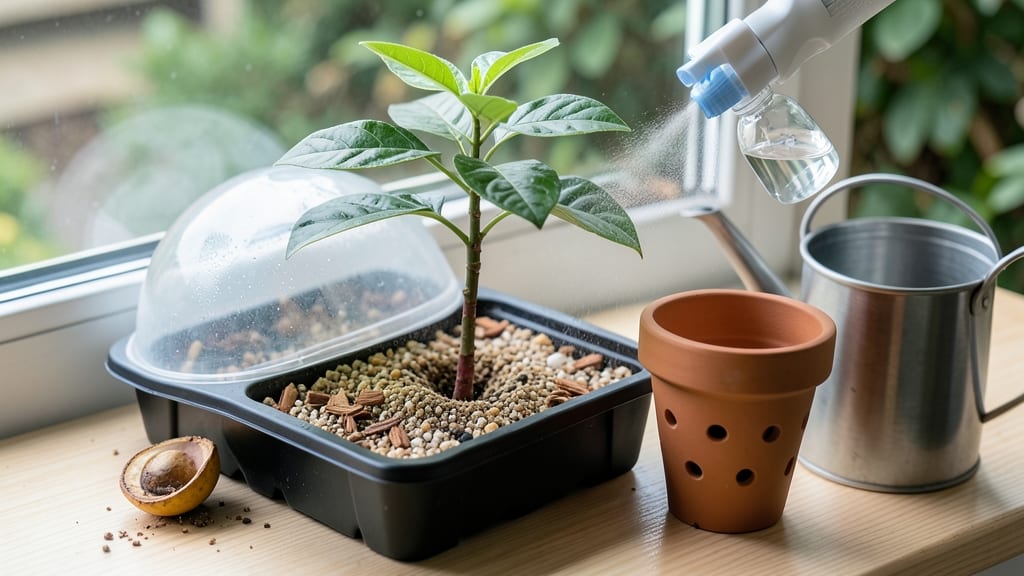
Your kitchen counter could soon be home to a tiny mango tree—starting with just a seed. 🌱 Growing a mango tree from a pit is one of those simple gardening projects that feels magical, even if the fruit won’t match the grocery store variety.
The key is patience and the right conditions to coax that first sprout from what looks like an ordinary pit.
You’ll need a clean seed, a small pot with drainage, and a sunny windowsill or grow light. The pit takes 4-6 weeks to germinate, so keep the soil moist but not soggy—this is where most beginners go wrong.
A little heat helps too, so a warm spot near a southern window works best. Once the sprout appears, it’s all about giving it space to grow strong.
By month 3, you’ll have a real tree—though it’ll take 3-5 years before it even thinks about fruit. The leaves will be glossy, the stems sturdy, and the whole process becomes a satisfying lesson in how nature unfolds at its own pace.
The real reward? Watching it grow into a houseplant that doubles as a living conversation piece.
Seed-grown mangoes rarely fruit true to type, but that’s okay—they’re still beautiful, hardy plants. If you want fruit, you’ll eventually need to graft, but for now, enjoy the journey of nurturing something from a single seed. Here’s how to keep it thriving through the early stages.
📚 In This Guide
- What you need
- Instructions
- Tips and common mistakes
- Wrapping up and next steps
What you need
- ● 1 fresh, organic mango pit – Choose a ripe, healthy mango (like Alphonso or Kent varieties) and clean the pit thoroughly to remove all fruit residue.
- ● 1 small pot (3–4 inches in diameter) – Use a pot with drainage holes to prevent root rot.
- ● Well-draining potting mix – A blend of 50% coco coir, 30% perlite, and 20% vermiculite works best for aeration.
- ● Watering can or spray bottle – Keep the soil consistently moist but not soggy.
- ● Plastic wrap or humidity dome – Helps maintain warmth and moisture during germination.
- ● Sunlight or grow lights – A sunny windowsill (6+ hours of light) or a grow light setup for indoor growth.
- ○ Rooting hormone – Speeds up germination (optional but recommended for faster results).
- ● Seedling heat mat – Keeps the soil warm (70–85°F) to encourage sprouting.
- ● Fertilizer (balanced 10-10-10 or organic compost) – Once leaves appear, use sparingly to avoid burning the young plant.
- ● Larger nursery pot (6+ inches) – For transplanting once the seedling grows 3–4 inches tall.
- ● Pruning shears – For future shaping and maintenance as the tree matures.
Step-by-step instructions for Growing a mango tree from a pit
Here’s how to turn a store-bought mango pit into a thriving houseplant—no green thumb required.
🌱 Step 1: Clean and Soak the Pit for Germination
Rinse the pit thoroughly under warm water to remove any remaining fruit residue. Scrub off the fleshy coating with your fingers or a soft brush—this prevents mold. The goal is to expose the hard shell underneath. I like to soak the pit in a glass of water for 24 hours to soften the outer layer slightly, though this isn’t mandatory.
After cleaning, let the pit dry completely for 1-2 hours. This step is crucial because moisture trapped inside can cause rot. Once dry, place the pit on a paper towel and fold the towel around it. Store it in a sealed plastic bag—this mimics the humid conditions of a tropical forest. Check the bag daily for condensation; if it’s too damp, open it slightly to let moisture escape.
🌱 Step 2: Plant the Pit in Moist Potting Mix
Fill a small 4-inch pot with well-draining potting mix—mango trees hate soggy roots. I like to mix in a bit of perlite or sand to improve aeration. Press the pit 1 inch deep into the soil, with the pointed end facing up. This mimics its natural orientation in the ground.
Water the soil lightly until it’s moist but not soggy. Place the pot in a warm spot with bright, indirect light—think 65-75°F and 6-8 hours of light daily. A south-facing window works well, but avoid direct afternoon sun, which can scorch the pit. Cover the pot loosely with plastic wrap to retain humidity, but remove it daily for 5 minutes to prevent mold.
🌿 Step 3: Wait and Care for Sprouts
Germination can take 2-6 weeks, so patience is key. You’ll know it’s working when you see a tiny sprout breaking through the soil. Once the sprout reaches 2 inches tall, remove the plastic wrap entirely. This is the moment the plant starts relying on its own strength.
Water the soil when the top inch feels dry, but avoid overwatering—mango trees are drought-tolerant once established. Rotate the pot a quarter turn weekly so the seedling grows straight. After 3-4 months, when the tree has 3-4 true leaves, transplant it into a 6-inch pot with fresh potting mix. Keep it indoors for at least 1 year—mango trees are tropical and need warmth to thrive.
☀️ Step 4: Transition to Outdoor Conditions (Optional)
If you live in a USDA Zone 10 or warmer, you can move the tree outdoors after 1 year of indoor growth. Harden it off by placing it outside for 1-2 hours daily, gradually increasing time over 2 weeks. Choose a spot with full sun and protect it from strong winds.
Fruit production is a long game—it can take 3-5 years for a homegrown mango tree to bear fruit. But the journey is worth it. Even if it never fruits, the lush, glossy leaves make it a stunning tropical houseplant. The key is consistency: light, warmth, and patience will turn that pit into a tree.
Tips & tricks for Growing a mango tree from a pit
Here's what nobody tells you about turning that grocery store pit into a thriving plant.
Germination Secret: The 24-hour soak isn't just about softening - it's about breaking the pit's natural dormancy. I've found that gently tapping the pit against your countertop after soaking helps crack the shell slightly, which speeds up germination. Just don't overdo it - you're not trying to break it open, just encourage a tiny crack where the sprout can emerge.
Lighting Strategy: That 6-8 hours of bright, indirect light is non-negotiable, but here's the trick: if your windows don't get enough natural light, supplement with a simple LED grow light. Place it 6-12 inches above the plant for 12 hours daily. The key is consistency - mango trees are tropical and need reliable light to develop properly. I keep mine under a grow light during winter months when natural light is scarce.
Transplant Timing: The 3-4 month mark for transplanting to a 6-inch pot is perfect, but watch for these signs instead of just counting months. When you see the second set of true leaves (the larger, more mature leaves that come after the initial sprouts), that's your cue. These leaves indicate the seedling has enough energy reserves to handle the stress of repotting. I've seen some seedlings ready at 2.5 months and others needing closer to 5 months - go by the leaves, not the calendar.
Troubleshooting Tip: If your pit shows no signs of sprouting after 6 weeks, don't give up yet. The germination window can extend to 8-10 weeks, especially in cooler conditions. Try gently scratching the shell with a knife to create a small opening (just enough to see a tiny crack) without damaging the seed inside. This often kickstarts the process when nature needs a little help. Remember, the pit contains everything the seed needs - sometimes it just needs a little encouragement to wake up.
Pro Tips for Growing A Mango Tree From A Pit
- Here's what nobody tells you about turning that grocery store pit into a thriving plant.
- Germination Secret: The 24-hour soak isn't just about softening - it's about breaking the pit's natural dormancy.
- Lighting Strategy: That 6-8 hours of bright, indirect light is non-negotiable, but here's the trick: if your windows don't get enough natural light, supplement with a simple LED grow light.
Frequently asked questions
Got questions about growing a mango tree from a pit?
You’re not alone! Here are answers to the most common queries to help you succeed—without the guesswork.
How long does it take for a mango pit to sprout?
A mango pit typically takes 2 to 4 weeks to sprout after planting, depending on warmth, moisture, and humidity. Patience is key—some varieties may take longer, especially if the pit is older or dried out. Keep the soil consistently moist (not soggy) and place it in a warm, sunny spot to speed up germination.
Can I plant a mango pit directly in the ground?
While possible, it’s riskier to plant directly outdoors. Start indoors in a small pot with well-draining soil to protect the delicate sprout from frost, pests, or harsh weather. Once the seedling is 6+ inches tall and sturdy (usually after 3–6 months), transplant it to the ground in a warm, tropical-friendly climate.
Will my homegrown mango tree produce fruit?
Probably not—at least not the same variety as the parent tree. Most mango trees grown from pits are seedlings, meaning they’ll bear fruit after 5–10 years, but the quality, size, and taste may differ from store-bought mangoes. For consistent fruit, graft a known variety onto your seedling later.
What’s the best climate for growing a mango tree from a pit?
Mango trees thrive in USDA Zones 10–11 (tropical/subtropical climates) with full sun (6+ hours/day) and warm temperatures (70°F+). If you live in a cooler zone, grow it in a large container and bring it indoors during winter. Avoid frost—mango trees are highly sensitive to cold.
Why did my mango pit rot instead of sprouting?
Overwatering or poor drainage are the top culprits! Mango pits need moist (not wet) soil—think of a damp sponge, not a swamp. If the pit feels mushy or smells foul, it’s rotting. Try these fixes:
- Use a well-draining mix (cactus soil + perlite).
- Plant the pit partially buried (only the flat side down).
- Water lightly (1–2 times weekly) and keep it in indirect light at first.
Pro Tip: Speed Up Germination
Boost your pit’s chances by soaking it in warm water for 24 hours before planting, then scratching the hard shell lightly with sandpaper to encourage oxygen flow. Place the pot in a plastic bag (like a mini greenhouse) to trap humidity—check for sprouts in 10–14 days!
Wrapping up and next steps
Growing a mango tree from a pit is a rewarding journey that blends patience with the joy of nurturing life! 🌱 With the right care—like proper drying, planting in well-draining soil, and consistent sunlight—you’ll watch your tiny pit transform into a thriving tropical beauty. Don’t be discouraged by slow growth; even the sweetest mangoes take time to ripen.
Now that you’re armed with knowledge, take the next step: grab a pit today and start your own mango adventure! Share your progress with fellow gardeners or gift a sapling to a friend—spreading the love (and fruit) one pit at a time. 🌿✨