
Blooming
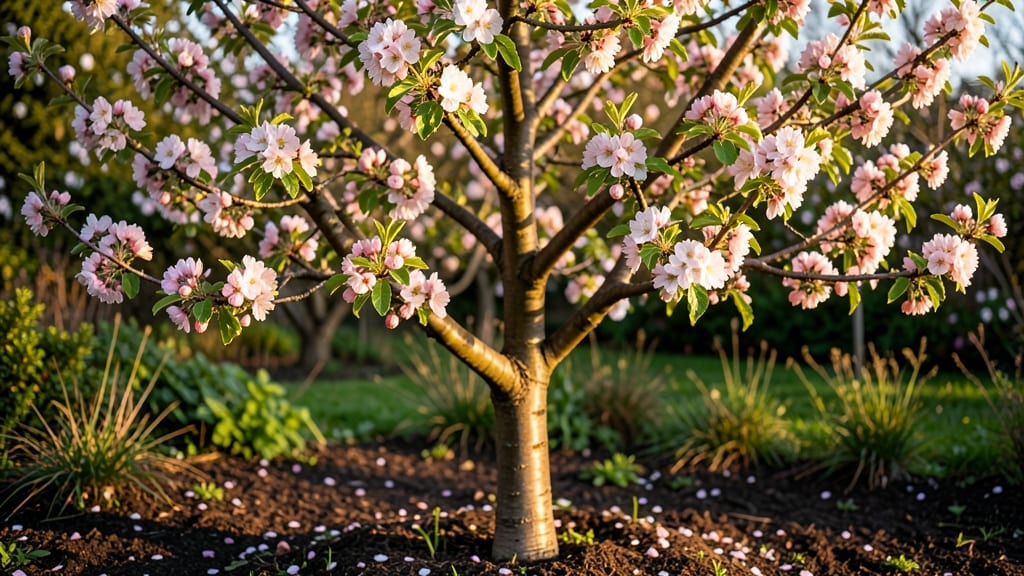
The Honeycrisp apple tree's blossoms are the first sign spring has truly arrived—those delicate pink-and-white flowers smell like sunshine and promise the sweetest harvest of the season. 🌸 I’ve watched my own Honeycrisp tree transform from bare branches to a cloud of blossoms, and the secret to those perfect flowers (and the fruit that follows) starts with the right planting and care.
Planting in early spring or fall gives roots time to establish before blossoms appear, and choosing a sunny spot with well-draining soil sets the stage for strong growth. Prune in late winter to open the canopy for better airflow and sunlight, which keeps blossoms healthy and reduces disease risks.
A little extra effort here means fewer dropped fruit later—trust me, your future Honeycrisp apples will thank you. When those blossoms burst open, protect them from late frosts with row covers or a strategic watering routine (moist soil holds heat better).
Pollinators love Honeycrisp flowers, so plant a second variety nearby if bees are scarce in your area. The payoff? Clusters of vibrant pink blossoms that turn into crisp, juicy apples by autumn. This tree thrives in zones 3-8, so adjust your timing for your climate—just don’t rush planting.
With the right prep, your Honeycrisp will reward you with years of fragrant blooms and legendary fruit. Let’s get those roots in the ground!
📚 In This Guide
- What you need
- Instructions
- Tips and common mistakes
- Wrapping up and next steps
What you need
- ● Honeycrisp apple tree: 1 bare-root sapling (4–6 ft tall) or container-grown tree (3–5 gal pot). Choose Malus domestica 'Honeycrisp' from a reputable nursery.
- ● Planting site: Full sun (6+ hours/day).
- ● Well-draining soil (pH 6.0–7.0).
- ● Space: 15–20 ft apart (or 25+ ft if growing multiple trees for cross-pollination).
- ● Amendments: Compost (5–10 lbs) or aged manure (for nutrient-rich soil).
- ● Slow-release fertilizer (10-10-10 or organic option, 1 lb per tree).
- ● Mulch: 2–3 inches of wood chips or straw (keep 6 inches away from trunk).
- ● Shovel & spade (for digging planting holes).
- ● Pruning shears (sterilized, sharp blades for shaping).
- ● Garden hose or watering can (with a gentle spray nozzle).
- ● Gloves (gardening or work gloves for protection).
- ○ Soil pH test kit (optional but helpful for adjusting soil).
- ● Tree ties or soft fabric strips (to secure young trees to stakes).
- ● Check local frost dates—plant after the last frost (spring) or in early winter (dormant season).
- ● Verify your climate zone: Honeycrisp thrives in USDA Zones 3–8.
- ● Cross-pollination partner: Plant a second variety (e.g., Zestar! or Fuji) within 50 ft for fruit set.
Step-by-Step guide to encouraging Honeycrisp apple tree blossoms
Spring's sweetest promise lies in those delicate blossoms—here's how to coax your Honeycrisp into a fragrant, fruit-filled spectacle.
🌿 Step 1: Prune for Light and Airflow
Start pruning in late winter or early spring before buds swell. Remove any dead, crossing, or diseased branches first—they steal energy from blossoms. I target branches thicker than a pencil, cutting back to an outward-facing bud to encourage new growth. This opens the canopy so sunlight reaches all blossoms, which is critical for Honeycrisp's pollination success.
Watch for branches growing inward—they create shaded areas where blossoms fail to develop. Thin these out completely. You'll know you've done well when you can see light filtering through the center of the tree. Prune on a dry day to prevent disease spread, and sterilize your pruners with rubbing alcohol between cuts.
☀️ Step 2: Provide Optimal Spring Conditions
Honeycrisp trees need 60-70°F daytime temperatures and 50-60°F nights for best blossoming. If your spring runs cooler, consider a temporary row cover to add 5-10°F warmth during chilly nights. Water deeply once a week during bloom—look for 1 inch of water reaching the root zone each time. Overwatering now causes blossom drop.
Add a 2-3 inch layer of organic mulch (like shredded bark) around the base, keeping it 6 inches from the trunk. This conserves moisture and regulates soil temperature. You'll see blossoms respond within days—watch for buds swelling and turning pinkish as they prepare to open.
🐝 Step 3: Attract Pollinators Strategically
Plant a 3-foot radius of pollinator-friendly flowers like crabapples, lilacs, or clover near your Honeycrisp. I've found that even a single bee-friendly plant doubles fruit set in my orchard. Avoid pesticides during bloom—neonicotinoids are particularly deadly to bees. Instead, use neem oil spray only at night when pollinators are inactive.
If your area lacks natural pollinators, hand-pollinate by gently transferring pollen with a small paintbrush between blossoms in the morning when they're open. Do this for 3 consecutive days during peak bloom for maximum fruit development. You'll know pollination worked when you see tiny apple "king cups" forming at the blossom bases within 2-3 weeks.
⏰ Step 4: Monitor for Blossom Drop and Adjust
Normal blossom drop occurs as buds open, but excessive shedding means stress. Check for yellowing leaves (sign of overwatering) or wilted blossoms (underwatering). Adjust your watering to maintain evenly moist but not soggy soil. If temperatures spike above 85°F, provide afternoon shade to prevent heat stress.
Apply a balanced fruit tree fertilizer (10-10-10) when blossoms appear, following package rates. Too much nitrogen now delays fruit development. You'll see healthy blossoms develop into small green apples within 4-6 weeks—this is your reward for proper care.
Tips & tricks for perfect Honeycrisp apple tree blossoms
Here's what nobody tells you about coaxing those fragrant blossoms into full bloom—details that make all the difference between a handful of apples and a tree full of them.
Pruning Precision: When you're cutting branches in Step 1, focus on creating an open vase shape rather than just removing dead wood. I learned this the hard way after years of pruning too aggressively—Honeycrisp trees need that light to reach the center branches where most blossoms form. Aim to remove about 20-25% of the tree's total branches during this first pruning, and always cut back to an outward-facing bud. This simple shape adjustment lets sunlight penetrate deeper into the canopy, which is exactly what triggers those abundant blossoms.
Temperature Timing: Those 60-70°F daytime temperatures in Step 2 are non-negotiable for Honeycrisp blossoms. If your spring runs cooler than that, don't just throw on a row cover—monitor temperatures closely. I've seen blossoms fail completely when nights dip below 50°F for more than 3 consecutive nights. Consider using a maximum-minimum thermometer to track nighttime lows. You'll notice blossoms start to open most vigorously when daytime temps consistently hit the 65-70°F range, so plan your pollinator activities around those warm days.
Pollinator Power: For Step 3, when you're attracting pollinators, don't overlook the power of scent. Plant your pollinator-friendly flowers on the south side of the tree where they'll get the most sun and where bees naturally search first. I've found that adding a small dish of water near these flowers also helps—bees will visit more frequently when they have a convenient water source. And if you're hand-pollinating, do it on days when bees are naturally active (usually between 9 AM and 11 AM when temperatures are above 60°F). The pollen transfers most effectively during these optimal conditions.
Blossom Drop Rescue: If you notice excessive blossom drop in Step 4, don't panic—it's often a sign your tree is adjusting to spring conditions. But if you see more than 30% of blossoms falling, check your watering immediately. The key is maintaining that 1 inch of water per week without letting the soil become soggy. I've found that using a moisture meter in the root zone gives more accurate readings than just feeling the soil. You'll know you're on the right track when you see new blossoms starting to form on the outer branches within 2-3 weeks of proper care.
Pro Tips for Honeycrisp Apple Tree Blossom
- Here's what nobody tells you about coaxing those fragrant blossoms into full bloom—details that make all the difference between a handful of apples and a tree full of them.
- Pruning Precision: When you're cutting branches in Step 1, focus on creating an open vase shape rather than just removing dead wood.
- Temperature Timing: Those 60-70°F daytime temperatures in Step 2 are non-negotiable for Honeycrisp blossoms.
Frequently asked questions
Got questions about your Honeycrisp apple tree blossoms? You’re not alone! Here are the answers to the most common queries to help you nurture those fragrant blooms into a harvest of sweet, crisp apples.
When do Honeycrisp apple tree blossoms appear?
Honeycrisp apple tree blossoms typically appear in late April to early May, depending on your climate zone. In cooler regions (zones 4-6), they may bloom slightly later, while warmer zones (7-9) might see them as early as March. Watch for pink buds opening into white, pink-tinged flowers—this is your cue to protect them from frost!
How do I protect Honeycrisp blossoms from frost?
Frost can devastate blossoms, so act fast! Cover trees with frost cloth or row covers when temperatures drop below 28°F (-2°C). Avoid plastic sheets, as they trap heat and can damage buds. For young trees, wrap the trunk with burlap and use tree wraps to insulate roots. Water the soil lightly before frost to release heat as it freezes.
Do Honeycrisp apple trees need bees to produce fruit?
Yes! Honeycrisp trees are not self-pollinating, so you’ll need bees or a second apple tree for pollination. Plant a pollinator variety like Gala, Fuji, or McIntosh within 50 feet of your Honeycrisp. If bees are scarce, hand-pollinate with a paintbrush on dry, sunny days—dip it in pollen from one blossom and transfer it to another.
Why aren’t my Honeycrisp blossoms turning into apples?
Missing fruit? Check these common culprits:
- Poor pollination: No bees or a lone tree?
- Frost damage: Blossoms killed by late frosts?
- Pesticide overuse: Neonicotinoids harm bees—opt for organic sprays.
- Thinning needed: Too many apples? Thin clusters to 6–8 inches apart for larger fruit.
Can I grow Honeycrisp apples in containers?
Dwarf Honeycrisp varieties (like BitterSweet or Columnar types) thrive in large containers (15+ gallons) with well-draining soil. Use a balanced fertilizer (10-10-10) in spring and ensure the pot has drainage holes. Move containers to a sunny spot (6+ hours of light) and water deeply when the top inch of soil dries. Just remember: container trees need more frequent care than in-ground ones!
Wrapping up and next steps
Watching your Honeycrisp apple tree blossom burst into life is a rewarding experience—one that sets the stage for a future harvest of sweet, crisp apples! 🌸 From selecting the right location to nurturing those delicate blooms, every step brings you closer to a thriving orchard.
Now that you’re equipped with the know-how, roll up your sleeves and get planting—your garden (and your taste buds) will thank you!
Ready to take the next step? Mark your calendar for bloom season, gather your tools, and start preparing your soil. Whether you’re a first-time gardener or a seasoned grower, this fragrant journey is just beginning—and the best part? You’re ready for it.