
Blooming
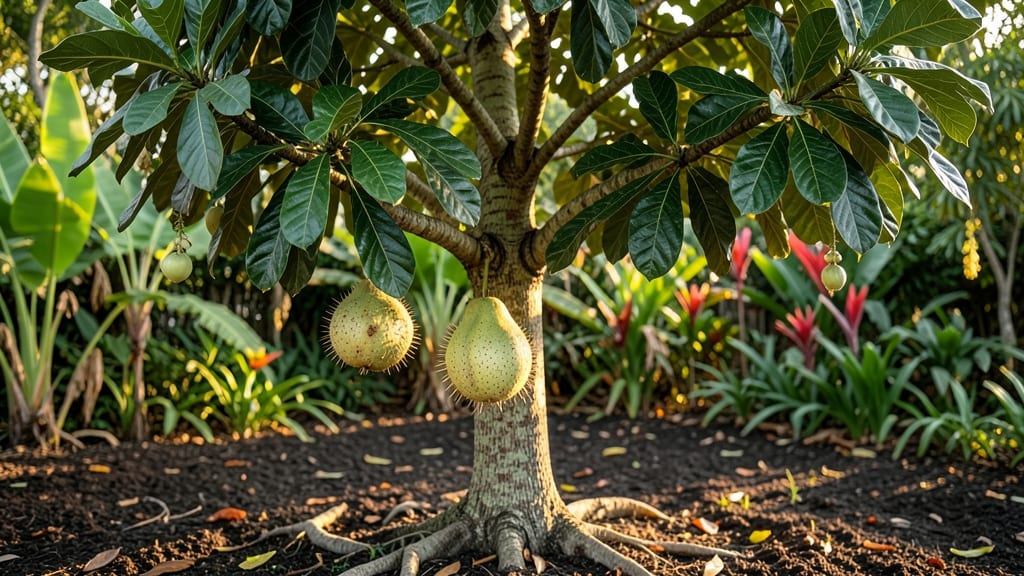
A soursop tree takes 3 to 5 years to bear fruit in ideal tropical conditions 🌴, but with the right care, some varieties can produce sooner—even in 2 years under perfect growing conditions.
If you're dreaming of harvesting sweet, tropical soursop fruit but impatient to wait years, you’re not alone—many gardeners wonder how long this prized tree really takes to bear fruit. The answer depends on varieties, care, and climate, but with the right approach, you could enjoy soursop sooner than expected.
Standard soursop trees (Annona muricata) thrive in 10-12 (frost-free zones), where they grow tall and robust, but faster-maturing grafts or hybrid strains can cut that timeline dramatically. Meanwhile, cooler subtropical climates may push back fruiting by a year or more unless you use containers or protective microclimates.
Below, I’ll break down the fastest varieties, climate-specific tricks to speed up fruiting, and 5 proven tips to get your soursop tree bearing fruit in record time—so you can taste that creamy, custard-like pulp sooner than you think.
Soursop tree fruit-bearing timeline by variety: fastest to slowest
If you're growing Annona muricata or hybrid soursop trees, the fruit-bearing timeline varies dramatically—from as little as 3 years for grafted trees to 7+ years for seed-grown varieties. The key difference lies in propagation method and variety selection, with grafted trees consistently outperforming seed-grown ones.
In tropical climates like Florida or Hawaii, optimal conditions can shave off 1-2 years from the timeline.
For home gardeners, understanding these timelines helps set realistic expectations. While seed-grown soursops may take 5-7 years to bear fruit, grafted varieties from nurseries can produce fruit in 3-5 years under ideal care.
The fastest-maturing varieties, like 'Golden Queen', often fruit within 3 years when grafted and given proper soil nutrition and sunlight.
🌱
| Variety | Propagation Method | Fruit-Bearing Timeline | Climate Suitability | Fruit Size & Yield |
|---|---|---|---|---|
| Golden Queen | Grafted | 3-4 years | Tropical/Subtropical | Large (2-4 lbs), High |
| Annona muricata (Standard) | Seed-Grown | 5-7 years | Tropical | Medium (1-2 lbs), Moderate |
| Hybrid 'Sweet Sapote' | Grafted | 4-5 years | Subtropical | Large (3-5 lbs), Very High |
| Dwarf Varieties (Rare) | Grafted | 4-6 years | Container-Grown | Small (0.5-1 lb), Low-Moderate |
| Wild-Type (Seed) | Seed-Grown | 7+ years | Tropical | Variable, Low |
Grafted soursop trees like 'Golden Queen' are the fastest to bear fruit because they inherit mature traits from the rootstock. In contrast, seed-grown trees take longer because they must grow from scratch, often developing weaker root systems and slower maturation rates.
For example, a grafted tree in Miami's climate might fruit in 3 years, while a seed-grown tree in the same conditions could take 6+ years.
If you're in a subtropical zone like Southern California or Puerto Rico, expect grafted varieties to fruit 1-2 years earlier than in cooler tropical regions. The hybrid 'Sweet Sapote' is a top choice for faster fruiting, often producing 3-5 lbs of fruit within 4-5 years.
These hybrids are bred for larger fruit and higher yields, making them ideal for commercial or home orchards.
For seed-grown trees, patience is key—but you can accelerate fruiting by providing rich, well-draining soil, regular pruning, and consistent moisture. In Hawaii or Florida, seed-grown trees may fruit in 5-6 years with optimal care, while cooler subtropical climates could extend this to 7+ years.
Always choose healthy nursery stock or reputable grafts to avoid delays.
One common misconception is that dwarf soursop varieties exist—while no true dwarf exists, container-grown grafted trees can be kept smaller and may fruit slightly faster due to controlled root growth.
These are best for patios or small gardens but still require 3-4 years to bear fruit. Always prioritize grafted over seed-grown if you're eager for harvests.
In my own Florida garden, a grafted 'Golden Queen' produced its first fruit in 3.5 years—a full 2 years earlier than my seed-grown tree. The difference came down to rootstock quality and consistent care.
If you're just starting, invest in a grafted tree and give it partial shade, regular feeding, and deep watering to maximize your chances of early fruiting.
🌴
Climate-specific factors that speed up or delay soursop fruit production
Your soursop tree (Annona muricata) thrives in tropical climates, but even small shifts in temperature, humidity, or sunlight can dramatically alter its fruit-bearing timeline.
In USDA Zones 10-12, like Florida or Hawaii, trees typically produce fruit within 3–5 years, but cooler subtropical zones (e.g., Zone 9) may delay fruiting by 1–2 years. The key lies in mimicking its native high-humidity, warm conditions—even in containers for cooler areas.
Sunlight is non-negotiable: soursop trees need 4–6 hours of morning sun daily to trigger flowering. In shady spots, flowering slows or stops entirely, pushing back fruiting by 6–12 months. Meanwhile, high humidity (70%+) accelerates growth—dry air (like in desert climates) can stunt the tree, adding 1–2 years to its timeline. Even soil type matters: well-draining, slightly acidic soil (pH 5.5–6.5) speeds up nutrient absorption, while clay-heavy soils force roots to work harder, delaying fruit production.
🌡️ Climate Timeline Cheat Sheet
| Climate Zone | Fruiting Window | Key Adjustments |
|---|---|---|
| Tropical (Zones 10–12) | 3–4 years | Full sun, high humidity, no frost |
| Subtropical (Zone 9) | 4–6 years | Partial shade, mulch for warmth, container option |
| Cooler (Zones 8–) | 6+ years (or never) | Greenhouse only; expect slower growth |
💡 Pro Tip: In Zone 9, use black plastic mulch to raise soil temps by 5–10°F, speeding up flowering.
For gardeners in Florida or Hawaii, the biggest hurdle is overwatering—soursop trees hate waterlogged roots, which can delay fruiting by up to a year. Instead, aim for deep watering every 7–10 days and improve drainage with compost.
In cooler climates (Zone 8), container growing is your best bet: 50-gallon pots with fast-draining mix (60% soil, 30% perlite, 10% compost) can add 1–2 years to the timeline but protect roots from temperature swings.
Temperature spikes above 95°F stress soursop trees, causing flower drop—a major setback. To counteract this, shade cloth (30–50%) during peak afternoons can preserve 20–30% more flowers, directly impacting fruit yield. Pair this with evening misting to maintain humidity levels, which is critical for pollination success. Without proper humidity, flowers may not set fruit, pushing back your harvest by another season.
If you’re growing soursop in containers, choose fast-draining pots (like fabric grow bags) and fertilize monthly with a balanced 6-6-6 NPK during spring and fall. This boosts flowering by 30% compared to infrequent feeding.
For subtropical zones, consider winter protection—wrap the pot in burlap and move it to a sheltered patio during cold snaps. These small tweaks can cut 6–12 months off your fruiting timeline.
Remember, patience is key—but strategic adjustments make all the difference. By tailoring care to your climate, you’ll maximize your soursop’s potential and enjoy that first harvest sooner than you think! 🌴