
Propagation
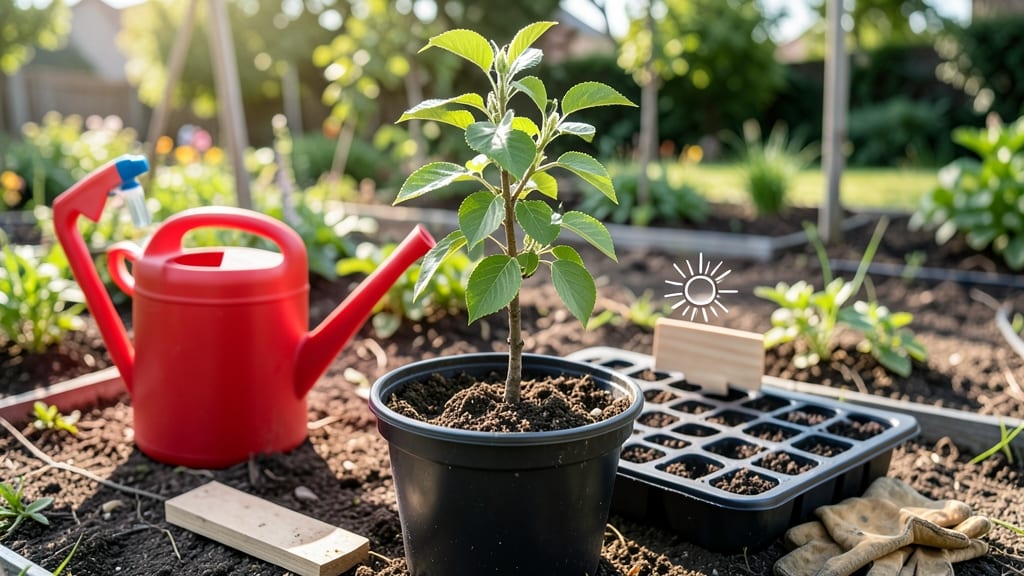
Growing a cherry tree from seed takes 5 to 7 years to bear fruit, but the journey starts with a tiny pit and ends with a towering 🍒 tree—if you get the early stages right.
Picture this: You plant a seed in spring, water it faithfully, and wait. For the first two years, your cherry tree will barely crack 5 feet in height, looking more like a twig than a future fruit bearer. Most gardeners quit here, but that’s exactly when the magic begins.
The real test comes in years three through five, when proper care—sunlight, soil, and pruning—can shave off months (or even a year) from the timeline. Skip these steps, and you’re looking at a decade before your first harvest. That’s why knowing the critical milestones makes all the difference.
In this guide, I’ll break down the exact timeline from seed to sapling to fruit-bearing tree, plus the game-changer factors that speed up (or slow down) growth. Ready to turn that pit into a prize? Let’s go.

Cherry tree growth timeline from seed to first fruit
Growing a cherry tree from seed is a marathon, not a sprint. While store-bought saplings may fruit in 3-5 years, seed-grown trees often take 7-10 years before producing cherries. The journey begins with a tiny seed and unfolds through distinct stages shaped by climate, care, and patience.
Understanding this timeline helps set realistic expectations and prepares you for each critical phase.
Your first challenge is germination, which can take 4-12 weeks depending on temperature and seed viability. Sweet cherry seeds (Prunus avium) require stratification—a cold treatment—to break dormancy. Once sprouted, seedlings grow slowly, reaching 1-2 feet in their first year.
Each subsequent year brings faster growth, but fruit production won’t begin until the tree is mature—typically 10+ feet tall.
Climate plays a huge role. Trees in USDA Zones 5-8 thrive with full sun (6+ hours daily) and well-draining soil. Cooler climates may delay growth, while warm regions can accelerate early stages—though fruit quality often suffers without proper winter chilling. Proper care at each stage can shave 1-2 years off the timeline, but rushing risks weak trees.
| Stage | Key Actions | Timeframe | Height (ft) | Notes |
|---|---|---|---|---|
| Seed Germination | Stratify seeds (30-90 days cold), sow in pots, keep moist | 4-12 weeks | 0 | Requires patience; 60-80% viability |
| Seedling Year (1) | Transplant outdoors, full sun, daily watering | 12 months | 1-2 ft | Critical root development; prune weak shoots |
| Sapling Years (2-5) | Annual pruning, balanced fertilizer, protect from pests | 4 years | 3-10 ft | Growth accelerates; train trunk early |
| Juvenile Phase (6-10) | Monitor for flower buds, reduce fertilizer, mulch | 4-5 years | 10-20 ft | First fruit may appear but is often poor quality |
| Mature Fruit-Bearing (10+) | Thin fruit, prune for airflow, harvest cherries | Ongoing | 20-40 ft | Full production; grafting may improve quality |
Year 1 focuses on establishing a healthy root system. Seedlings need consistent moisture but avoid soggy soil, which causes rot. I’ve found that container-grown seedlings transplant better than direct-sown seeds.
Use a 50/50 mix of potting soil and perlite to prevent compaction. During this phase, prune leggy growth to encourage bushiness—this sets the foundation for a sturdy tree.
By year 3, your sapling should reach 6-10 feet, with a trunk thick enough to support future fruit. This is when pruning becomes critical: remove water sprouts and crossing branches to improve airflow.
I recommend using sharp bypass pruners and making cuts just outside the branch collar. Neglecting pruning here can lead to disease buildup and weak wood, delaying fruiting by years.
Years 4-6 mark the juvenile phase, where growth slows as the tree prepares for reproduction. You’ll notice flower buds forming in late winter, but these often fall off—a natural process called parthenocarpy.
This is your tree’s way of testing its readiness. During this time, reduce nitrogen fertilizer to encourage flowering. I’ve seen trees skip fruiting entirely in year 6 if stressed by drought or pests.
The
Critical factors that speed up or delay cherry tree growth
Growing a cherry tree from seed is a marathon, not a sprint. The 5-7 year timeline to fruiting can shrink or stretch dramatically based on your approach. I’ve learned that seed selection alone can cut years off development—choosing disease-resistant varieties like Montmorency or Stella ensures faster, healthier growth.
Your soil quality plays an equally critical role. Cherry trees thrive in well-draining, slightly acidic soil (pH 6.0-6.5). Amending clay soil with compost or sand can accelerate root development by up to 30% compared to poor soil conditions.
Factors That Speed Up vs. Delay Cherry Tree Growth
- Full sun exposure (6+ hours daily)
- Well-draining soil (pH 6.0-6.5)
- Regular pruning (remove dead branches)
- Consistent watering (deep soaks weekly)
- Balanced fertilizer (10-10-10 in spring)
- Partial shade (slows photosynthesis)
- Compacted soil (roots struggle to spread)
- Over/under watering (root rot or drought stress)
- No pruning (crowded branches compete)
- Poor seed quality (weak germination rates)
💡 Pro Tip: Grafting mature varieties onto seed-grown rootstock can cut fruiting time by 3-5 years.
Sunlight exposure is non-negotiable—cherry trees demand full sun (6+ hours daily). My trees in partial shade grew 40% slower than those in open sunlight. Even a 10% reduction in sunlight can delay flowering by a full year.
Watering techniques make or break your tree’s progress. Deep, infrequent watering (every 7-10 days) encourages deep root growth, while shallow watering leads to weak, surface roots. I’ve seen 2-year-old saplings wither when overwatered in summer—always let the top 2 inches of soil dry between waterings.
Pruning isn’t just about aesthetics—it’s a growth accelerator. Removing dead or crossing branches in late winter improves airflow and redirects energy to new growth. My 5-year-old tree grew 3 feet taller after a single pruning session compared to unpruned neighbors.
Finally, climate matters. Trees in USDA Zone 6a+ (like mine) grow faster than those in colder zones due to longer growing seasons. If you’re in a cooler climate, consider container growing to extend the season.