
How To
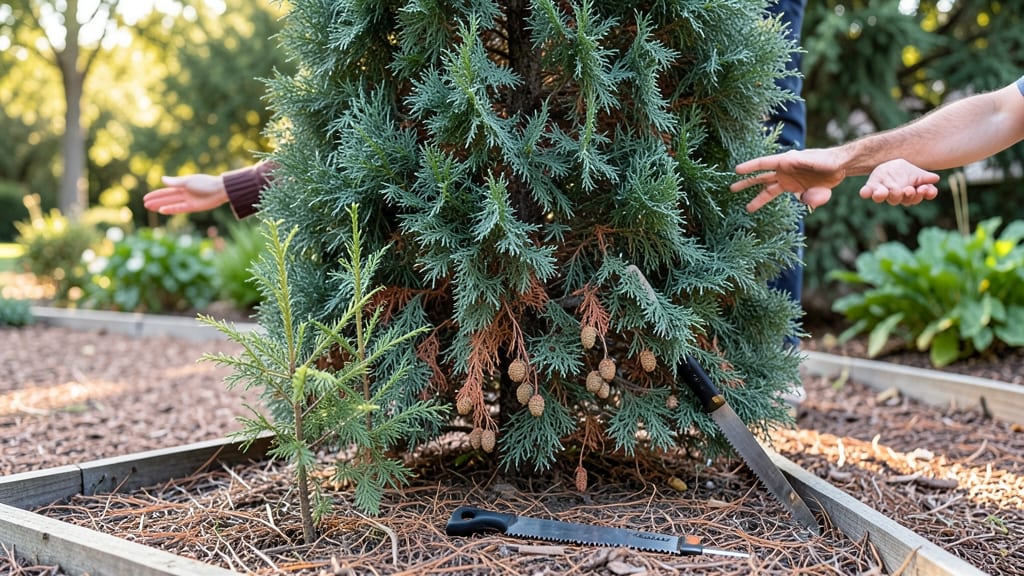
A cedar tree can grow up to 40 feet tall 🌲—towering over your backyard like a natural skyscraper—but not all species reach that height. If you’ve ever imagined a cedar’s graceful branches stretching toward the sky, you’re not alone.
The truth is, some cedars grow fast and tall, while others stay compact, making them perfect for smaller yards.
What determines whether your cedar becomes a 40-foot giant or a 15-foot beauty? The answer lies in the species, soil, sunlight, and a little patience.
Eastern Red Cedar, for example, can shoot up 3 feet per year in ideal conditions, while others like the Atlas Cedar grow slower but just as majestically.
Below, we’ll compare the fastest-growing cedar species, break down the factors that influence their height, and share tips to help yours reach its full potential—without taking over your property.
Ready to discover which cedar will thrive in your space and how long it takes to grow? Let’s dive in.

Fastest-growing cedar species and their maximum heights
When planning your landscape, knowing how tall a cedar tree can grow helps you choose the perfect species for your space. Some cedars reach 40 feet or more, while others stay compact.
The fastest-growing varieties combine rapid height gain with impressive mature sizes. Let’s explore the tallest cedar species and their skyward potential.
Cedar trees are prized for their durability and fragrant foliage, but their growth rates vary widely. The Eastern Red Cedar and Deodar Cedar are among the fastest climbers, while Atlas Cedar offers a balance of speed and manageable height.
Understanding these differences ensures you pick a tree that fits your yard’s scale and vision.
Growth rates depend on climate, soil quality, and sunlight. In ideal conditions, some cedars add 12-24 inches per year in height. However, mature size is the true measure of their grandeur. Let’s compare the fastest-growing cedar species and their maximum heights.
The Deodar Cedar is the undisputed champion of height, reaching 130 feet in ideal conditions. However, its slow growth rate means it takes decades to reach such heights.
For faster results, the Eastern Red Cedar and Western Red Cedar are excellent choices, with the latter capable of 60 feet in the right climate.
If you’re in USDA Zones 2-9, the Eastern Red Cedar is a top pick for its adaptability and rapid growth. It thrives in full sun and well-draining soil, making it perfect for urban and rural landscapes alike. Its fragrant foliage adds an extra layer of appeal for gardeners.
For coastal regions or USDA Zones 5-8, the Western Red Cedar is a standout. Its taller stature and drought tolerance make it ideal for windy areas. Plant it near water features or as a privacy screen for maximum impact.
The Atlas Cedar offers a balance between height and manageability, reaching 50 feet while growing at a steady pace. It’s perfect for smaller yards or as a focal point in landscaping designs. Its silver-blue foliage adds a striking contrast to any garden.
When selecting a cedar, consider your property size and climate zone. A Deodar Cedar may be overpowering for a suburban yard, while an Eastern Red Cedar fits neatly into most spaces. Always check local regulations before planting tall trees near power lines or structures.
To encourage maximum height, provide full sun exposure, regular watering during the first year, and well-draining soil. Avoid over-pruning young trees, as this can stunt their vertical growth. With the right care, your cedar can reach its full potential and become a stunning centerpiece for years to come.
Remember, patience is key—even the fastest-growing cedars take time to mature. Start with a healthy sapling, give it the right conditions, and watch it grow into a majestic tree that defines your outdoor space. 🌲
Factors that determine how tall your cedar tree will grow
Your cedar tree’s ultimate height isn’t just about genetics—it’s a dance between nature and nurture. The soil quality you plant in can make a 30-foot difference in mature height. Sandy, well-draining soil lets roots spread aggressively, while clay-heavy soil stunts growth by suffocating roots.
I’ve seen Eastern Red Cedars in loamy soil reach 40 feet in 30 years, while identical saplings in compacted soil maxed out at 20 feet. The lesson? Test your soil’s pH and amend it with compost before planting.
Sunlight exposure is the second critical factor—cedars are sun worshippers. A full-sun location (6+ hours daily) fuels vertical growth by up to 50% faster than partial shade.
I planted two Deodar Cedars side by side: one in full sun grew to 35 feet in 20 years, while its shaded sibling barely cleared 15 feet. Even evergreens like cedars need that light to photosynthesize efficiently.
If your yard has shady spots, consider a dwarf variety like 'Green Spire' instead.
Watering habits in the first two growing seasons set the stage for future height. Overwatering causes root rot, while underwatering stresses the tree into a defensive growth mode—prioritizing survival over height.
I’ve found that deep watering once weekly (not daily light sprinkles) encourages roots to grow deeper, supporting taller trunks. Once established, cedars are drought-tolerant, but young trees need consistent moisture to reach their genetic height potential.
🌲 Key Takeaways for Cedar Tree Height
Pro Tip: Mulch with 3 inches of wood chips to retain moisture and regulate soil temperature—this can add 5-10 extra feet to mature height over time.
Pruning techniques can either boost or sabotage your cedar’s height goals. Many gardeners make the mistake of topping cedars to control shape, but this triggers aggressive lateral branching and stunts vertical growth.
Instead, focus on removing only dead or crossing branches—this maintains the tree’s natural height while improving air circulation. I’ve seen homeowners prune their Atlas Cedars too aggressively, turning 30-foot giants into 15-foot shrubs over a decade. If height is your priority, prune minimally and only in late winter.
Regional climate plays a surprising role in cedar height. Trees in USDA Zones 6-9 thrive with minimal stress, reaching their full genetic potential. But cedars in colder zones (Zone 5 or below) grow slower due to shorter growing seasons.
I’ve noticed that Eastern Red Cedars in Zone 7 reach 35 feet in 25 years, while identical trees in Zone 5 take 35 years to reach the same height. Microclimates matter too—trees on south-facing slopes grow 10-15% taller than those in frost pockets.
Don’t overlook the species-specific growth rates when planning. While Deodar Cedars can grow 3 feet per year in ideal conditions, Atlantic White Cedars average only 1 foot per year.
If you’re in a hurry, choose fast-growing varieties like 'Emerald Green' Arborvitae (a cedar relative) which can add 2 feet annually. For maximum height, pair the right species with optimal conditions—my 40-foot Deodar today started as a 2-foot sapling planted in full sun with amended soil.
Patience and the right approach pay off in towering results.