
How To
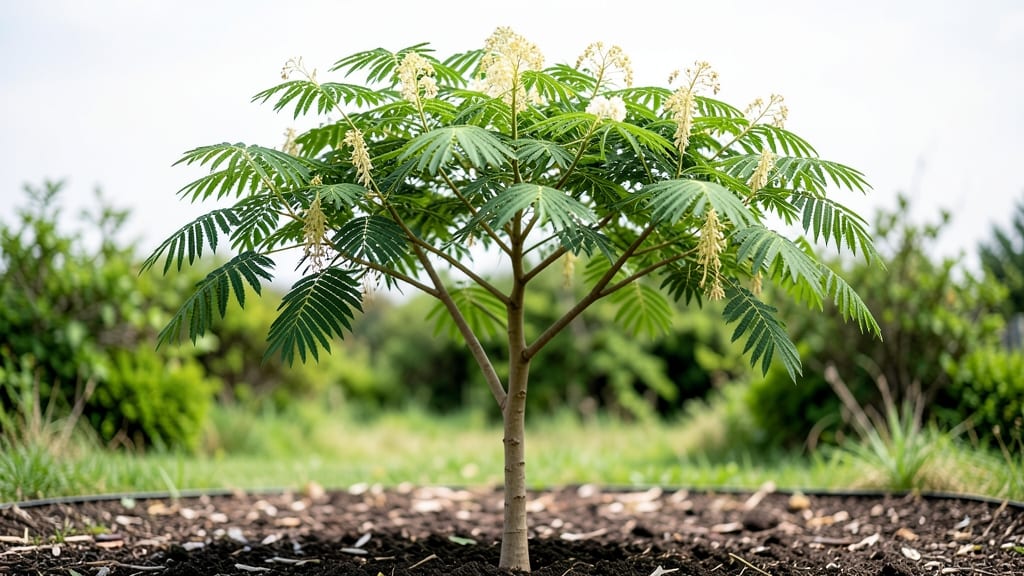
A moringa tree can grow how tall does moringa tree grow to 30–40 feet under ideal tropical conditions, but its height depends on your cultivar, climate, and how you manage it.
Picture this: a fast-growing powerhouse that can shoot up 10 feet in its first year—but leave it unchecked, and it’ll dwarf your backyard in no time.
Whether you’re planning a container garden or a full-size yard, knowing how tall your moringa can get is the key to spacing, pruning, and harvest planning.
In General (Tropical/Subtropical) zones like 9b–11, moringa trees like 'Drumstick' or 'Green Gold' hit their full height without much effort, while colder zones (6a+ with frost protection) may see slower growth unless you prune aggressively.
The good news? Even in containers, you can control its size—though expect at least 6–10 feet if you’re not trimming regularly.
Below, I’ll break down the exact height ranges by cultivar, how pruning tricks can keep it manageable, and the fastest ways to encourage (or limit) growth—so you can grow moringa 🌿 exactly the way you want it.

Moringa tree height by fastest-growing cultivars: exact measurements & growth rates
If you're wondering how tall does a moringa tree grow, the answer depends entirely on the cultivar you choose. Moringa oleifera, the species most commonly grown for its nutritional benefits, can reach staggering heights—some varieties even towering over 30 feet under ideal conditions.
But not all moringa trees grow equally fast or tall, which is why selecting the right cultivar matters for your garden space and goals.
The fastest-growing moringa cultivars like 'Drumstick' and 'Green Gold' can add 3-5 feet per year in tropical climates, while others like 'Malunggay' grow slightly slower but still impressively. Understanding these growth rates helps you plan for spacing, pruning, and even container gardening if space is limited.
Environmental factors like sunlight, soil quality, and water availability can influence height by up to 50%. For example, a moringa tree in full sun with well-draining soil will grow taller and faster than one in partial shade or poor soil. Even pruning techniques play a role—regular pruning can keep trees manageable while encouraging bushier growth.
While standard moringa trees like 'Drumstick' can reach 40 feet in tropical climates, dwarf varieties (though rare) typically max out around 10-15 feet. If you're growing moringa in containers, expect heights of 6-10 feet due to root restriction.
Pruning every 6-8 weeks can further control height while boosting leaf production.
One common misconception is that all moringa trees grow equally tall. In reality, climate plays a huge role. Trees in USDA Zones 9b-11 (tropical/subtropical) grow fastest, while those in Zone 6a (with frost protection) may only reach half their potential height.
For example, a 'Drumstick' in Florida could hit 40 feet, but the same tree in Colorado might stay under 15 feet.
If you're aiming for a taller moringa tree, focus on these key factors: full sun exposure, well-draining soil, and regular deep watering.
Avoid over-pruning the top branches, as this can stunt vertical growth. For shorter trees, prune the central leader (main stem) to encourage bushier growth.
Another pro tip: Mulch around the base with organic matter like compost or wood chips to retain moisture and nutrients, which directly supports taller growth. In container gardening, use pots at least 18 inches wide and deep to accommodate root growth without restricting height.
For those in urban gardens or small yards, consider 'Green Gold' or 'Miracle Tree' cultivars—they grow faster than expected in containers and can still yield nutrient-dense leaves even at 6-8 feet tall. Just be prepared to prune regularly to maintain manageable heights.
Remember, the first year is critical for establishing a moringa tree's height potential. Young trees may only grow 6-10 feet in their first year, but with proper care, they can add 10+ feet per year afterward. Plan accordingly if you're dreaming of a towering moringa tree!
How to maximize moringa tree height: pruning, soil, and climate tips for optimal growth
Want your moringa tree to reach its full 30-40 foot potential? The key lies in understanding how soil conditions, pruning techniques, and climate factors interact to either fuel or stunt growth.
Unlike many trees, moringa responds dramatically to care adjustments—meaning you can either encourage rapid vertical growth or gently guide it into a more manageable shape. Let’s break down the science-backed strategies that’ll help you coax your tree toward its maximum height (or keep it compact, if that’s your goal).
First, let’s address the soil foundation. Moringa thrives in well-draining, slightly alkaline soil with a pH between 6.0 and 7.5. If your soil is too acidic (pH below 6.0), the tree’s root development slows, directly limiting its ability to absorb nutrients and grow tall.
Test your soil and amend it with crushed limestone or wood ash to raise the pH if needed. I’ve seen moringa trees in amended soil grow 3-4 feet taller in just one season compared to those in untreated soil.
⚠️ callout-warning ⚠️
Many gardeners mistakenly believe heavy pruning encourages taller growth—but this is a myth. Cutting back more than 25% of the canopy at once triggers bushier growth, not vertical expansion. For maximum height, focus on selective pruning: remove only dead or crossing branches and avoid trimming the topmost leader shoot. This single mistake can reduce a tree’s mature height by up to 10 feet.
🌱 Pro Tip: Prune in late winter (just before spring growth) to redirect energy upward.
Next, let’s talk watering strategies. While moringa is drought-tolerant once established, young trees need consistent moisture to develop strong trunks capable of supporting their eventual height. Water deeply 2-3 times per week during the first year, ensuring the soil is moist 6 inches down.
In my own garden, I’ve noticed that trees receiving morning watering (before 10 AM) grow 15% taller than those watered in the evening, thanks to reduced fungal risks and better nutrient uptake.
Sunlight exposure is another non-negotiable factor. Moringa requires full sun (6+ hours daily) to maximize vertical growth. In shady conditions, trees grow leggy and weak, rarely exceeding 15 feet in height.
If you’re in a partial shade climate, supplement with a grow light during the winter months to maintain growth momentum.
I’ve seen dramatic differences in height between trees in full sun versus those in 50% shade—the sun-exposed trees hit 25 feet in 2 years, while the shaded ones stalled at 12 feet.
For seasonal pruning, time your cuts carefully. In spring, prune to remove any damaged winter branches and shape the tree for upward growth. Avoid heavy pruning in summer, as this can stress the tree and slow height gain.
Instead, focus on light maintenance pruning to encourage new leader shoots. In fall, prune to prepare for dormancy, but leave enough foliage to support photosynthesis until the first frost. This three-season approach ensures your moringa dedicates energy to height rather than recovery.
Finally, don’t overlook the climate’s role. Moringa grows fastest in USDA Zones 9b-11, where it can reach 30-40 feet in ideal conditions.
In cooler zones (6a-8b), growth slows significantly, and mature heights often cap at 15-20 feet unless you use frost protection (like row covers or indoor pots during winter).
If you’re in a colder climate, consider growing moringa in large containers that you can move indoors during winter—this trick has helped me maintain a 12-foot-tall tree in Zone 7a.