
How To
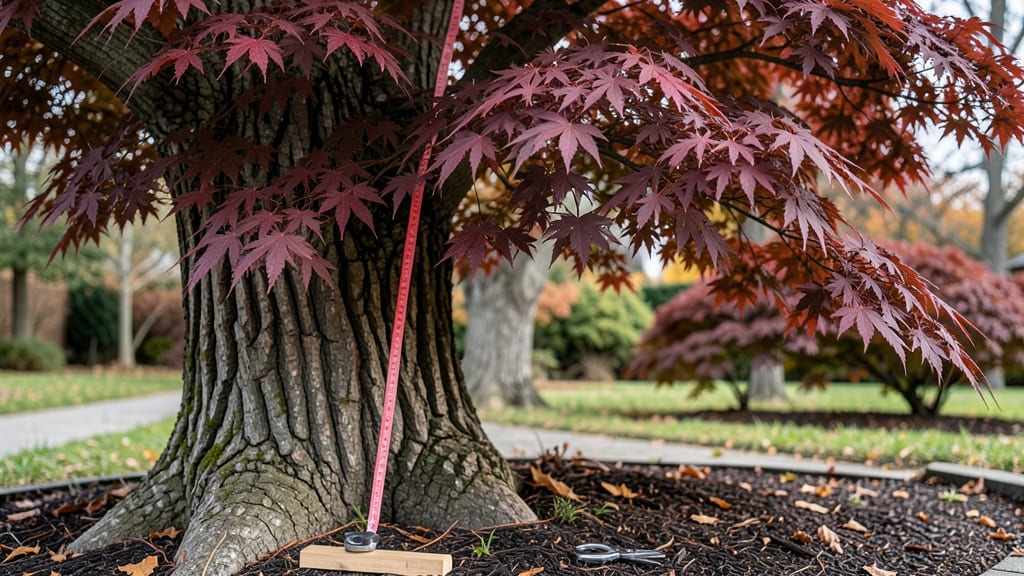
How tall can a Japanese Maple tree grow? It can range anywhere from 6 feet to a towering 30 feet, depending entirely on the cultivar you choose—some stay small enough for a patio, while others become the centerpiece of a backyard.
Picture this: a delicate 🌿 Japanese Maple in your front yard, its branches arching gracefully, but years later, it’s crowding your porch or even your neighbor’s fence. That’s why knowing the mature height range of each type is the key to planting with confidence.
From dwarf varieties like 'Shishigashira' (staying under 6 feet) to giants like 'Bloodgood' (reaching 35 feet), the difference isn’t just in size—it’s in how they shape your garden’s flow. Some grow slowly, while others shoot up in 10 years, so timing matters.
Below, I’ll break down the height ranges by cultivar, how to control growth with pruning, and which types work best for small spaces versus sprawling landscapes—so you can pick the perfect fit for your outdoor vision.

Japanese maple tree height ranges by cultivar type (dwarf to giant varieties)
Choosing the right Japanese maple cultivar depends heavily on your space constraints and design vision. Some varieties stay under 6 feet, making them perfect for containers or small yards, while others can reach 35 feet or more, requiring open landscapes.
The key is matching the cultivar's mature height to your available space and desired aesthetic.
Japanese maples grow at varying rates—some take decades to reach their full height, while others grow more quickly. Always consider the spread (canopy width) when planning, as it often equals or exceeds the tree's height.
For example, a 10-foot-tall maple might have a 15-foot spread, so measure carefully before planting.
Here’s a quick guide to popular cultivars, from the smallest dwarf varieties to the tallest giant specimens, including their mature heights and ideal planting scenarios:
Dwarf varieties like Shishigashira and Seiryu are ideal for containers or tight spaces, while Bloodgood and Emperor I need room to thrive. Always check the spread measurement—some cultivars grow wider than they do tall, which can affect placement near structures or sidewalks.
If you're unsure about a cultivar's final size, consult the nursery where you purchase it. Many sellers provide growth projections based on local climate conditions. For example, Bloodgood may reach 35 feet in warm climates but stay shorter in cooler regions.
For small-space gardening, prioritize cultivars like Little Princess or Viridis, which mature under 15 feet. These work beautifully in patio planters or as accent trees near entryways. In contrast, large landscapes can accommodate towering varieties like Emperor I, which create dramatic focal points.
Remember, pruning can influence height over time, but it’s best to select a cultivar that naturally fits your space. Over-pruning can stress the tree and reduce its lifespan. Instead, focus on proper planting location and regular care to encourage healthy, proportional growth.
Japanese maples thrive in partial shade, so avoid planting them in full sun, which can scorch delicate foliage. Combine height considerations with light requirements to ensure your tree stays healthy and vibrant for decades.
🌿
How growth rate and pruning affect Japanese maple tree height
Japanese maple trees grow at dramatically different rates depending on their cultivar type. Some varieties like 'Bloodgood' can add 12 inches per year in ideal conditions, while slower growers like 'Shishigashira' might only gain 2-3 inches annually.
Understanding these growth patterns helps you predict how quickly your tree will reach its mature height range and when to expect that stunning canopy you love.
Fast-growing cultivars may reach their maximum height in just 10-15 years, while dwarf varieties could take 20+ years to fully mature. This difference isn't just about time—it also affects how you should plan for space requirements and pruning strategies.
For example, a 'Emperor I' could top 25 feet in a decade, while a 'Little Princess' might only reach 6 feet in twice that time.
⚠️ WARNING: Common Pruning Mistakes That Stunt Growth ⚠️
Over-pruning in early years can permanently reduce height potential by removing too many growth buds. Japanese maples store energy in their structural branches, and aggressive cuts can weaken the tree's ability to reach its genetic height limit. Avoid cutting more than 25% of the canopy in any single season, and never remove more than 1/3 of a branch's length at once.
🌿 Pro Tip: Use thinning cuts (removing entire branches back to the trunk) instead of heading cuts (trimming back to a lateral branch) to maintain a tree's natural growth form.
Pruning at the right time is crucial for controlling height without harming your tree. For most Japanese maples, late winter to early spring (just before buds swell) is ideal. This timing allows the tree to seal wounds quickly and encourages balanced growth.
Summer pruning can stimulate vigorous new growth that may become weaker wood and more susceptible to winter damage.
If you're aiming to keep your Japanese maple compact, focus on selective branch removal rather than indiscriminate trimming. Remove water sprouts (vertical shoots growing from the trunk or branches) and crossing branches that rub together.
These cuts encourage the tree to redirect energy to its existing structure, promoting a fuller, bushier form rather than taller growth.
Seasonal care plays a surprisingly large role in height control. Consistent watering during dry spells helps maintain steady growth, while mulching around the base (but not touching the trunk) protects roots and encourages stronger structural development.
In USDA Zones 5-6, winter protection like burlap wraps or anti-desiccant sprays can prevent cold damage that might stunt growth the following season.
Remember that Japanese maples grow slowly compared to many other trees, so patience is key. Rushing pruning or over-fertilizing can lead to weak, leggy growth that's more prone to storm damage.
With the right approach, you can guide your tree to reach its ideal height while maintaining that elegant, balanced form that makes them so beloved in gardens.