
How To
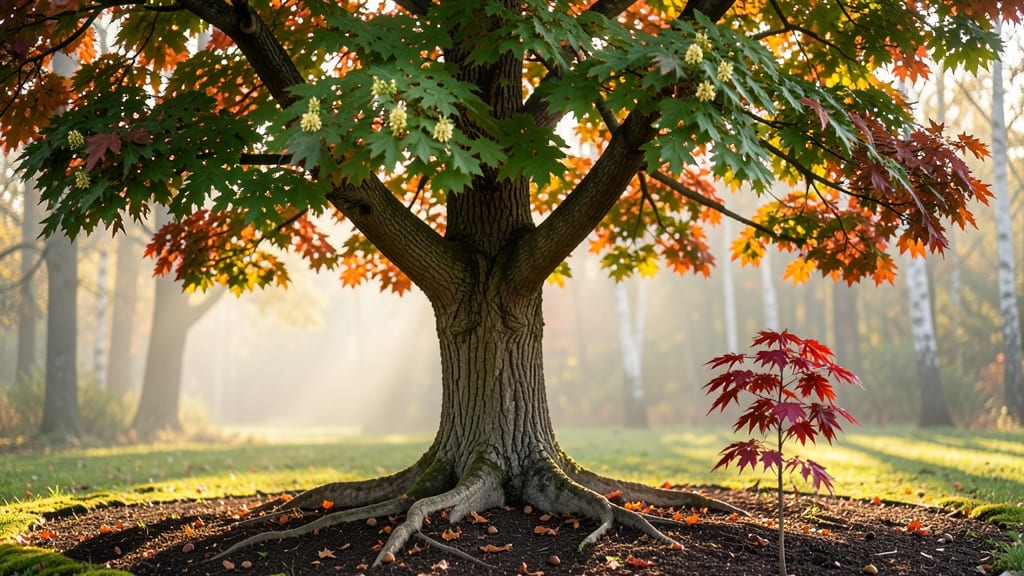
A maple tree can grow tall in surprising ways—its mature height ranges from a modest 15 feet to a towering 120 feet, depending on the species, your climate, and how much space you give it.
Picture this: a sugar maple stretching toward the sky like a natural skyscraper, its branches casting shade over your entire backyard, while a dwarf variety stays cozy in a corner planter. The difference isn’t just aesthetics—it’s about planning for decades of growth, sunlight needs, and even neighborhood HOA rules.
For gardeners in USDA Zone 6a, where spring planting is ideal, knowing these heights helps you pick the right variety for your space. A silver maple might shoot up to 75 feet if unchecked, while a Japanese maple stays a graceful 25 feet tall—perfect for a small yard.
Below, we break down the species, growth factors, and spacing tips to help you choose wisely.
You’ll also learn how soil drainage, pruning habits, and sunlight exposure can tweak a tree’s final height—because even the same species can grow wildly differently in your yard versus a neighbor’s. Ready to plant with confidence?

Maple tree height by species: from dwarfs to giants
Choosing a maple tree for your landscape means balancing aesthetic goals with space constraints. Some varieties grow into towering giants, while others stay manageable for small yards.
The sugar maple can reach 75–100 feet, perfect for parks, while dwarf Japanese maples stay under 15 feet, ideal for containers. Understanding these differences helps you pick the right tree for your property.
Maple tree height varies dramatically by species, with factors like genetics, climate, and soil quality playing key roles. For example, the red maple typically grows 40–60 feet, while the silver maple can soar to 50–80 feet in optimal conditions.
Even within a species, growth rates differ—some mature in 30 years, others take 50+ years to reach full height.
🌳
| Species | Mature Height (ft) | Growth Rate | Ideal Climate Zones | Best For |
|---|---|---|---|---|
| Sugar Maple (Acer saccharum) | 75–100 ft | Moderate (1–2 ft/year) | USDA Zones 3–8 | Shade, parks, large yards |
| Red Maple (Acer rubrum) | 40–60 ft | Fast (2–3 ft/year) | USDA Zones 3–9 | Urban areas, wildlife support |
| Silver Maple (Acer saccharinum) | 50–80 ft | Fast (3–4 ft/year) | USDA Zones 3–9 | Wet soils, erosion control |
| Japanese Maple (Acer palmatum) | 15–25 ft (dwarf varieties) | Slow (6–12 inches/year) | USDA Zones 5–8 | Containers, bonsai, small gardens |
| Norway Maple (Acer platanoides) | 50–70 ft | Moderate (1–2 ft/year) | USDA Zones 4–7 | Shade, urban landscapes |
| Boxelder Maple (Acer negundo) | 30–50 ft | Fast (3–5 ft/year) | USDA Zones 2–9 | Drought-tolerant areas |
| Paperbark Maple (Acer griseum) | 20–30 ft | Slow (6–12 inches/year) | USDA Zones 4–8 | Ornamental bark, small spaces |
| Amur Maple (Acer ginnala) | 15–25 ft | Moderate (1–2 ft/year) | USDA Zones 3–8 | Cold-hardy landscapes |
| Snakebark Maple (Acer capillipes) | 25–35 ft | Slow (6–12 inches/year) | USDA Zones 5–8 | Striking bark, containers |
| Freeman Maple (Acer x freemanii) | 50–70 ft | Moderate (1–2 ft/year) | USDA Zones 4–9 | Hybrid vigor, urban planting |
If you’re planting a sugar maple or red maple
How growth zones and soil affect maple tree height
Your maple tree's mature height isn't just about the species—USDA hardiness zones and soil quality play huge roles. A sugar maple in Zone 4 might reach 75–100 feet, while the same tree in Zone 8 could max out at 60–80 feet.
Even within one zone, soil drainage and sunlight exposure can shrink or stretch that height by 30% or more.
Maples thrive in zones 3–9, but their growth slows dramatically outside their ideal range.
For example, a red maple in Zone 5 grows 2–3 feet per year, while the same tree in Zone 9 might only gain 1–2 feet annually. Compacted or waterlogged soil further stunts growth, sometimes by half the expected height.
To maximize height, plant in well-draining soil with a pH between 6.0–7.5. Amend clay soil with compost or sand to prevent root suffocation. In Zone 8+, provide afternoon shade to protect leaves from heat stress, which can reduce growth by 20–30%.
Mulch with wood chips to retain moisture and encourage deeper roots.
If your maple is in less-than-ideal conditions, focus on root health. Aerate compacted soil annually and avoid overwatering, which causes root rot. In Zone 3–4, protect young trees with burlap wraps during winter to prevent sunscald, which weakens growth the following spring.
Even in perfect conditions, pruning mistakes can shrink height. Never remove more than 25% of foliage in one season, and always prune in late winter before new growth begins. Proper pruning ensures your maple reaches its full genetic potential—whether that’s a 100-foot giant or a 25-foot dwarf.
For container-grown maples, height is naturally limited by pot size. Choose dwarf varieties like 'Autumn Blaze Compact' (20–25 ft) and repot every 2–3 years to prevent root binding.
With the right soil mix (60% potting soil, 30% perlite, 10% compost), even potted maples can reach 80% of their expected height.