
How To
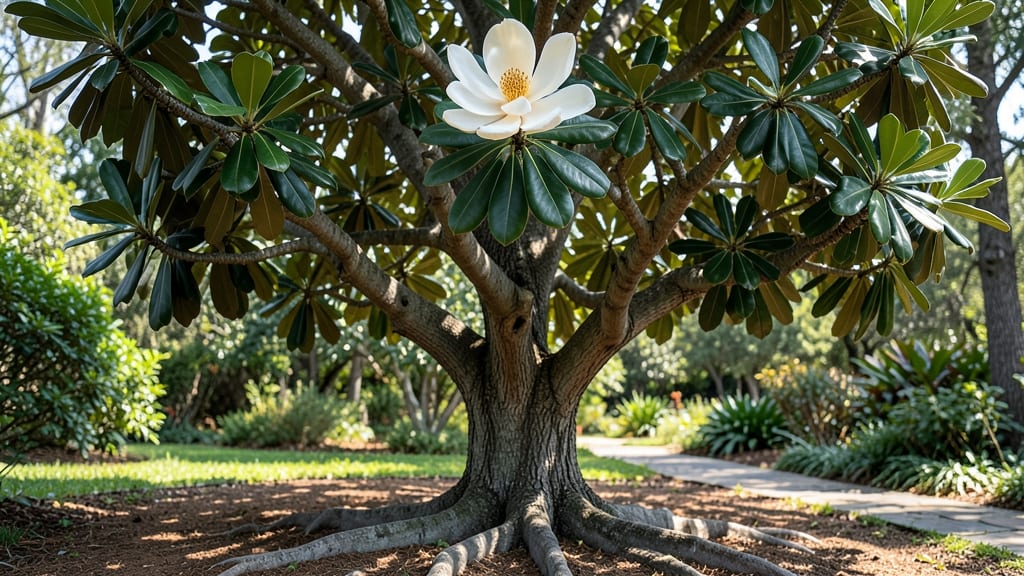
A magnolia tree can how tall a magnolia tree can grow anywhere from 10 feet to towering heights of over 80 feet, depending on the variety you choose for your yard.
If you’ve ever dreamed of a towering magnolia as the centerpiece of your garden, you’ll want to know exactly how tall these majestic trees can grow—because some varieties reach heights that will leave you in awe.
From the dwarf varieties perfect for small spaces to the giant species that dominate landscapes, the right magnolia can transform your outdoor space into a serene, fragrant retreat.
In this guide, I’ll break down the fastest-growing types, how to manage their size, and the best placement tips so you can enjoy your magnolia’s beauty without losing your yard to its branches.

Magnolia tree height by variety: from dwarf to towering giants
Choosing a magnolia tree often comes down to one question: how tall can a magnolia tree grow? The answer varies wildly—from tiny shrub-like varieties perfect for small yards to giant magnolias that dwarf two-story homes.
If you're planning your garden layout, knowing these height ranges will help you pick the perfect specimen for your space.
Magnolias fall into three broad height categories: dwarf varieties (3-10 ft), small trees (10-25 ft), and towering giants (up to 100+ ft). Each category offers stunning blooms but requires different growing conditions and space considerations. Let's explore the most popular varieties and their mature heights.
🌱 Visual Height Comparison: Imagine a dwarf magnolia reaching just above your garage door, while a Southern magnolia stretches taller than a basketball hoop—then multiply that by four for the giants! Your garden's scale will dictate which variety thrives best.
| Variety | Mature Height | Growth Rate | Best For |
|---|---|---|---|
| Magnolia stellata (Star Magnolia) | 10-20 ft | 12-24" per year | Small gardens, containers |
| Magnolia 'Little Gem' | 20-25 ft | 12-18" per year | Narrow spaces, privacy screens |
| Magnolia soulangeana (Saucer Magnolia) | 20-30 ft | 12-24" per year | Medium yards, focal points |
| Magnolia grandiflora (Southern Magnolia) | 60-80 ft | 6-12" per year | Large estates, shade trees |
| Magnolia 'Black Tulip' | 15-20 ft | 12-18" per year | Containers, urban gardens |
| Magnolia virginiana (Sweetbay Magnolia) | 30-50 ft | 6-12" per year | Wet soils, woodland gardens |
For small-space gardens, Magnolia stellata and its cultivars like 'Royal Star' (10-15 ft) are excellent choices. These dwarf magnolias bloom profusely in early spring with delicate white flowers, making them perfect for patio containers or foundation plantings.
If you're working with a medium-sized yard, varieties like Magnolia soulangeana or 'Jane' (15-20 ft) strike the perfect balance. Their pink and purple blooms appear before the leaves, creating a stunning early-season display that lasts for weeks.
The Southern magnolia (Magnolia grandiflora) is the undisputed giant of the magnolia world, capable of reaching 80 feet or more in ideal conditions. This evergreen variety is best suited for large properties where its glossy, dark green leaves and fragrant white flowers can truly shine.
Did you know some magnolias can live for centuries? The giant magnolia species like Magnolia tripetala (umbrella magnolia) grow up to 100 ft tall and are native to North America's eastern forests. These ancient trees often become wildlife magnets, providing food and shelter for birds and insects.
When selecting a magnolia, consider not just height at maturity but also spread—some varieties like Magnolia 'Little Gem' have a narrow profile (only 8-10 ft wide), making them ideal for tight spaces. Always check the mature dimensions before planting to avoid outgrowing your garden!
For urban gardeners, semi-dwarf varieties like Magnolia 'Elizabeth' (15-20 ft) offer a compromise. These trees grow slowly enough for container culture but still provide that magnolia grandeur you crave. Just be prepared for their heavy canopy—these trees need room to spread their branches.
Pro tip: Always measure your planting site's ceiling clearance
Fastest-growing Magnolia trees: how quickly they reach their skyward limits
If you're eager to see your magnolia tree grow quickly, some varieties will surprise you with their rapid ascent. The Magnolia × soulangeana (Saucer Magnolia) leads the pack, shooting up 12-24 inches per year in ideal conditions. This means a 10-foot tree in just 5-8 years—perfect for impatient gardeners!
Other speedy climbers like Magnolia stellata (Star Magnolia) grow 10-18 inches annually, while Magnolia kobus (Kobus Magnolia) adds 12-20 inches yearly. These rates make them standout choices for faster garden transformation.
But not all magnolias share this enthusiasm for growth. The Magnolia grandiflora (Southern Magnolia) grows a more modest 12-24 inches per year but takes decades to reach its 60-80 foot mature height. Meanwhile, Magnolia virginiana (Sweetbay Magnolia) grows just 6-12 inches annually, making it one of the slowest options.
The key difference? Fast growers prioritize vertical expansion early, while slower varieties focus on root and canopy development before shooting upward.
To maximize growth in your fast-growing magnolias, start with well-draining, slightly acidic soil (pH 5.0-6.5). Amend clay soil with compost or pine bark to improve aeration and drainage. These trees thrive in partial shade to full sun, but avoid harsh afternoon sun in hot climates.
A mulch layer 3-4 inches deep helps retain moisture and regulate soil temperature, which is critical for young trees still establishing roots.
Pruning plays a surprising role in growth speed. For Magnolia × soulangeana and Magnolia stellata, light pruning in late winter or early spring removes dead or crossing branches, allowing energy to focus on upward growth. Avoid heavy pruning—it can slow growth and reduce flowering.
Instead, use selective pruning to shape the tree while maintaining its natural vigor. Never prune in fall, as this can stimulate tender new growth that won't harden off before winter.
Fertilizing at the right time can also boost growth rates. Apply a balanced 10-10-10 fertilizer in early spring (just as new growth begins) and again in mid-summer if your tree shows signs of nutrient deficiency (like yellowing leaves).
Over-fertilizing can lead to excessive leaf growth at the expense of height, so follow the 1 cup per 10 square feet guideline. Pair this with deep watering 1-2 times per week during the first growing season to encourage strong root development.
With the right care, your fastest-growing magnolias can reach their mature heights 30-50% faster than average. For example, a Magnolia × soulangeana might hit 20 feet in just 10 years with optimal conditions, compared to 15-20 years in less ideal settings.
The key is patience combined with strategic care—soil prep, smart pruning, and consistent watering will set your tree up for rapid, healthy growth. 🌿