
How To
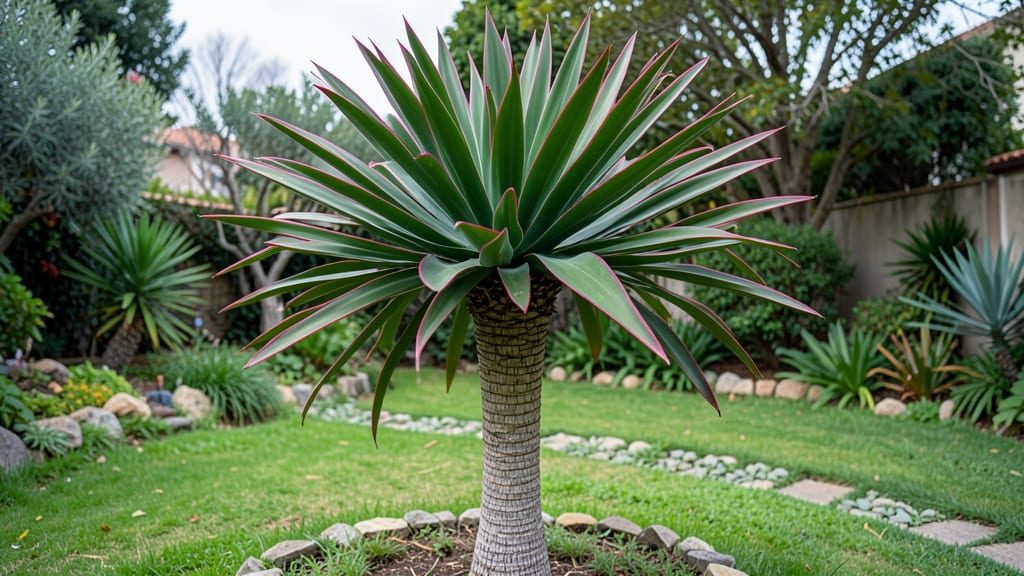
A dragon tree grows to 10–20 feet tall—indoors or out—depending on how much space and light you give it 🌿. That striking height might sound intimidating, but with the right care, you can shape its growth to fit your home or garden perfectly.
Picture this: a 6-foot-tall dragon tree thriving on your living room shelf one year, then suddenly shooting up to 15 feet when moved outdoors. The difference isn’t just luck—it’s light, soil, and pruning working together (or against you).
Indoor plants usually stay under 10 feet unless you’re okay with trimming, while outdoor dragon trees in warm climates can reach 20 feet—taller than most garage doors. The key? Understanding how to control its growth before it controls your space.
Below, I’ll break down the factors that influence height, how fast it grows, and the simple tricks to keep it at your ideal size—whether you want a compact tabletop version or a towering statement plant.

Dragon tree height guide: indoor vs outdoor growth differences
The dragon tree (Dracaena marginata) can transform from a modest houseplant to a towering statement piece—depending on where you grow it. Indoors, most stay between 6 and 10 feet, while outdoors, they can soar to 15–20 feet or taller.
The difference comes down to space, sunlight, and environmental conditions. Let’s break down how to expect your dragon tree to grow in both settings.
Indoor dragon trees thrive in controlled environments but face natural growth limits. Pots restrict root expansion, and indoor lighting is often weaker than outdoor sun. Without proper care, your plant might grow slowly or leggy.
Outdoors, however, they stretch toward the sky, benefiting from full sunlight, open soil, and natural rainfall. Understanding these differences helps you manage expectations and care for your plant accordingly.
One of the biggest factors influencing dragon tree height is light exposure. Indoors, plants near south-facing windows grow taller than those in dim corners. Outdoors, they bask in direct sunlight for 6+ hours daily, fueling rapid vertical growth.
If you’re growing indoors, supplement with a grow light to mimic outdoor conditions and encourage healthier, bushier growth.
Pot size plays a critical role in indoor growth. Smaller pots slow height increases, while larger containers allow roots to spread, supporting taller stems. For outdoor dragon trees, the lack of pot restrictions means they can grow uninterrupted.
If you’re keeping yours indoors, choose a pot that’s at least 12 inches wide to accommodate root growth and prevent stunted height.
Climate also affects growth rates. In tropical or Mediterranean climates, outdoor dragon trees grow faster and taller due to warm temperatures and consistent moisture. In cooler regions, growth slows but doesn’t stop—just expect a more gradual height increase.
If you live in a colder zone, bring potted outdoor dragon trees indoors before frost to protect them.
Pruning can significantly alter your dragon tree’s height. Regular trimming encourages bushier growth and prevents legginess. Indoors, prune the top stem to promote side shoots, keeping the plant compact and full.
Outdoors, pruning is less critical unless you want to control height—simply let it grow wild for a dramatic, tropical look.
Soil quality matters too. Indoors, use a well-draining potting mix to prevent root rot, which can stunt growth. Outdoors, amend native soil with compost or sand to improve drainage and nutrient availability.
Poor soil leads to slower growth and weaker stems, so invest in quality growing medium for the best results.
If you’re dreaming of a 20-foot dragon tree, outdoor planting is the way to go—but be prepared for maintenance. These plants can become top-heavy and may need staking in windy areas.
Indoors, focus on controlling height with pruning and enjoy a smaller, more manageable version of this stunning tropical beauty.
Remember, whether indoors or outdoors, your dragon tree’s height is highly customizable. With the right care, you can shape it to fit your space—whether that’s a tall floor statement or a bushy tabletop centerpiece. 🌿
How to control dragon tree height: pruning and care tips
Your dragon tree (Dracaena marginata) can grow tall quickly if left unchecked—indoors, it may reach 6–10 feet in 3–5 years, while outdoor specimens can soar to 15–20 feet. The key to managing its height lies in pruning techniques, pot selection, and light exposure.
Without intervention, leggy growth and sparse foliage become common problems, especially in low-light conditions.
Pruning isn’t just about cutting back overgrowth—it’s about encouraging bushier growth and maintaining a balanced shape. The best time to prune is in spring or early summer, when the plant enters its active growth phase.
Use sterilized pruning shears to make clean cuts just above a leaf node, where new branches will sprout. Avoid heavy pruning in fall or winter, as this can stress the plant during dormancy.
- 1 Choose the right tools: Use sterilized pruning shears or a sharp knife to avoid damaging stems. Wipe blades with rubbing alcohol between cuts.
- 2 Identify pruning points: Look for leaf nodes (where leaves attach to stems). Cut 1–2 inches above a node at a 45-degree angle to promote branching.
- 3 Prune leggy stems: Trim 1/3 of the stem length to encourage fuller growth. Avoid cutting more than 20% of the plant at once to prevent shock.
- 4 Repot if needed: Use a pot 2–4 inches larger than the root ball to prevent root-bound stress. Ensure drainage holes are present to avoid root rot.
- 5 Propagate cuttings: Place 4–6 inch stem cuttings in water or moist soil. Roots typically form in 2–4 weeks—ideal for creating new plants!
Light plays a crucial role in controlling height. Place your dragon tree near an east or west-facing window for bright indirect light. Avoid direct sunlight, which can scorch leaves, or dim corners, which lead to leggy, sparse growth.
If natural light is limited, supplement with a grow light for 12–14 hours daily to maintain compact growth.
Common mistakes that cause overgrowth include overwatering, which leads to root rot, and underwatering, which stresses the plant. Let the top 1–2 inches of soil dry between waterings, and use a well-draining potting mix to prevent soggy roots.
Over-fertilizing can also spur rapid, weak growth—stick to a balanced fertilizer every 6–8 weeks during spring and summer.
For a bushier dragon tree, prune regularly and rotate the pot quarter-turns weekly to ensure even light exposure.
With consistent care, you can keep your plant at a manageable 3–6 feet tall indoors while enjoying its striking foliage without the worry of it becoming a 10-foot ceiling hazard! 🌿