
How To
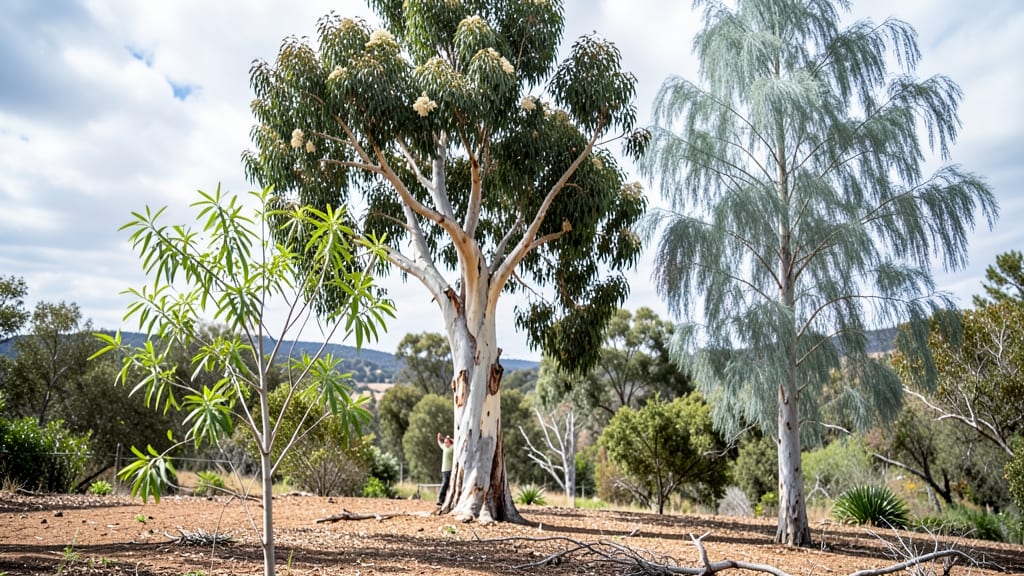
A eucalyptus tree can grow anywhere from 30 feet to towering 300 feet tall, depending on the species and growing conditions — making it a stunning but space-hogging addition to any landscape.
If you're dreaming of towering eucalyptus trees in your landscape but worry about space or maintenance, knowing their growth potential is key. Some varieties reach skyscraper heights while others stay manageable for smaller yards.
For example, the fast-growing Eucalyptus globulus can shoot up 5 feet per year in ideal conditions, while dwarf varieties like Eucalyptus cinerea stay under 20 feet tall. Whether you need a privacy screen or a compact ornamental tree, the right choice depends on your yard size and climate.
Below, I’ll break down the fastest-growing species, how to control their height with pruning, and whether they’re right for your home garden — plus the care tips to keep them thriving.

Eucalyptus tree height by species: towering giants vs. compact varieties
Choosing an eucalyptus tree often comes down to one key question: how tall does a eucalyptus tree grow? The answer varies dramatically—from skyscraping giants that dwarf buildings to compact varieties perfect for containers.
Understanding these differences helps you select the right species for your space, whether you're dreaming of a privacy screen or a potted accent plant.
Native to Australia, eucalyptus trees thrive in USDA zones 8-11 and offer year-round interest with their aromatic foliage and striking bark. However, their mature height can range from 30 feet to over 300 feet, making species selection critical for small yards or urban gardens.
Let's explore the extremes and everything in between.
| Species | Mature Height | Growth Rate | Best For |
|---|---|---|---|
| Eucalyptus regnans | 300+ ft | 5+ ft/year | Large estates, parks |
| Eucalyptus globulus | 150-200 ft | 3-5 ft/year | Privacy screens, windbreaks |
| Eucalyptus camaldulensis | 100-150 ft | 2-4 ft/year | Drought-prone areas |
| Eucalyptus cinerea | 60-80 ft | 1-2 ft/year | Medium yards, hedges |
| Eucalyptus pauciflora | 30-50 ft | 1 ft/year | Mountain gardens, containers |
| Eucalyptus gunnii 'Aureovariegata' | 10-15 ft | 6-12 in/year | Containers, bonsai |
The tallest eucalyptus species, like Eucalyptus regnans, can grow over 300 feet—taller than a 30-story building—and require spacious landscapes or parks. These giants grow 5 feet per year or more, making them unsuitable for urban settings.
Their fast growth rate and drought tolerance make them ideal for windbreaks or wildlife habitats.
For home gardens, medium-height varieties like Eucalyptus globulus (150-200 ft) offer a balance between privacy and space efficiency. This species grows 3-5 feet annually and thrives in well-draining soil with full sun exposure.
Pruning young trees can help manage their height, though they'll still need ample space to reach maturity.
If you're working with limited space, consider dwarf eucalyptus varieties like Eucalyptus gunnii 'Aureovariegata', which max out at 10-15 feet. These compact varieties are perfect for containers or small patios and grow slowly, making them ideal for bonsai enthusiasts or urban balconies.
Their variegated foliage adds visual interest without overwhelming your space.
Growth rates also depend on climate and care. In optimal conditions—full sun, well-draining soil, and minimal pruning—eucalyptus trees grow faster. However, pruning young trees can redirect energy toward width rather than height, creating a fuller canopy.
Always use sterilized tools to prevent disease when pruning.
Before planting, check your local frost dates—most eucalyptus species thrive in USDA zones 8-11 and may need container protection in colder climates. For small yards, opt for slow-growing varieties like Eucalyptus pauciflora (30-50 ft), which grow 1 foot per year and adapt well to cooler temperatures.
Remember, eucalyptus trees are long-lived—some varieties can live for hundreds of years—so choose a species that fits your space and maintenance goals. Whether you're aiming for a towering specimen or a manageable patio tree, understanding these height differences ensures your eucalyptus thrives for decades.
For fastest results, prioritize young, established plants over seedlings, as they'll establish roots quickly and start growing toward their mature height sooner. Always plant in well-draining soil to
Fastest-growing eucalyptus trees for quick privacy or shade solutions
If you need a fast privacy screen or quick shade solution, eucalyptus trees are among the fastest-growing options available. Some varieties can grow 3-5 feet per year, making them perfect for transforming your yard in just a few seasons.
The key is choosing the right species—like Eucalyptus globulus or Eucalyptus camaldulensis—that balances speed with manageable size for your space.
Fast growth doesn’t mean sacrificing beauty or durability. These eucalyptus varieties not only grow quickly but also develop striking silver-blue foliage and fragrant blossoms, adding year-round interest to your landscape. Plus, their drought-tolerant nature means less watering once established, saving you time and resources.
Eucalyptus globulus, also known as the blue gum eucalyptus, is a top choice for fast growth, often reaching 5 feet per year in ideal conditions. This variety thrives in USDA zones 8-11 and tolerates a range of soil types, though it prefers well-draining soil. Plant it in full sun for maximum growth and minimal maintenance.
For a slightly more compact but still fast-growing option, Eucalyptus camaldulensis (river red gum) grows about 3-4 feet per year and matures around 50-70 feet tall.
It’s highly adaptable to urban environments and handles dry spells better than many other eucalyptus types, making it a great choice for privacy hedges or street tree plantings.
To encourage rapid growth, plant your eucalyptus in spring or early summer after the last frost. Water deeply once a week for the first year to establish strong roots, then reduce to every 2-3 weeks once established.
Avoid overwatering, as eucalyptus trees hate soggy soil and are prone to root rot.
Prune your eucalyptus lightly in late winter to shape the tree and remove dead branches. Never prune more than 25% of the foliage at once, as this can stress the tree and slow growth.
With proper care, your eucalyptus will provide quick shade and privacy while adding a fragrant, tropical feel to your outdoor space.