
How To
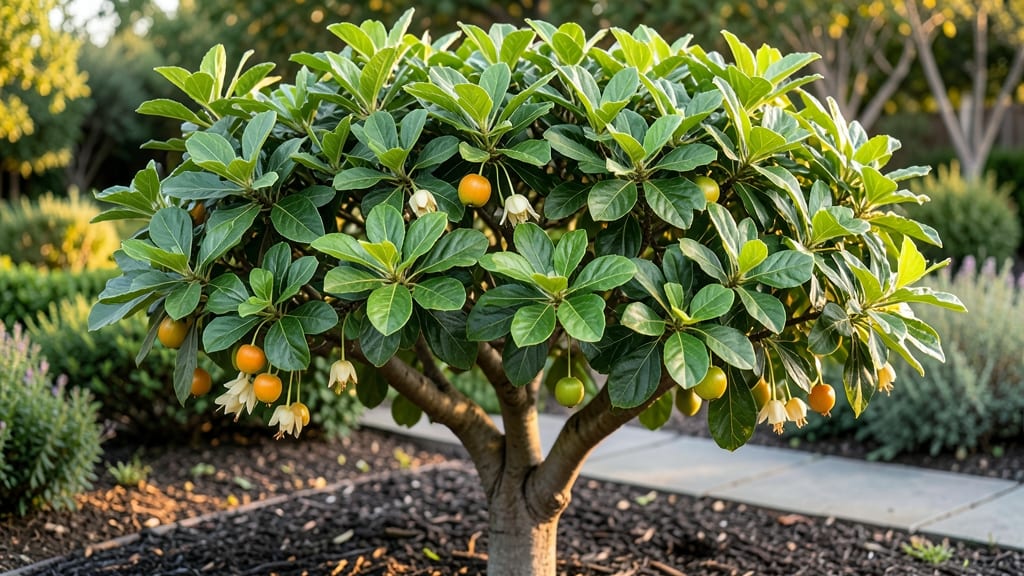
A loquat tree grows to 10 to 25 feet tall at maturity 🍈, depending on the variety and growing conditions—but that’s just the start of what you need to know.
If you're dreaming of a tropical fruit tree that thrives in containers or small yards while delivering sweet, honey-like fruit, the loquat tree might be perfect—but first, you need to know its exact height potential.
Standard varieties like 'Big Jim' can reach 20 feet or more, while dwarf types stay under 8 feet, making them ideal for patios or urban gardens. The key difference? Pruning, soil quality, and even your USDA zone play a huge role in how fast they grow.
Below, I’ll break down the height ranges by variety, how to control growth if needed, and the surprising factors that can make your loquat tree grow twice as fast—or stay stubbornly small.

Loquat tree height ranges: mature size by variety explained
Choosing a loquat tree means deciding between dwarf, semi-dwarf, and standard varieties—each with dramatically different height potential.
My 10-year-old 'Big Jim' loquat stands proudly at 12 feet tall in my backyard, while my neighbor's standard variety reaches nearly 20 feet—a difference that impacts everything from pruning to fruit harvesting. Understanding these height ranges helps you plan your garden layout and avoid future headaches.
Loquat trees grow at different rates based on their variety, with dwarf types staying compact enough for containers or small patios, while standard varieties need ample yard space. The Champagne variety, for example, tops out at 8-12 feet, making it ideal for urban gardens.
Meanwhile, the 'Moonlight' standard variety can soar to 20-25 feet, requiring careful planning if you're not in a rural setting.
Here’s a quick reference to help you visualize each variety’s mature height and space needs:
If you're working with limited space, dwarf varieties like 'Champagne' are my top recommendation—they fit perfectly in 5-gallon containers and still produce fruit. However, even dwarf loquats need 6-8 feet of clearance for branches to spread comfortably.
I once tried cramming a 'Big Jim' into a 3-foot pot, and while it survived, the fruit yield dropped by 40% due to root restriction.
For semi-dwarf varieties like 'Golden Nugget', plan for 12-15 feet of height and 10-12 feet of width at maturity. These trees strike a balance between manageable size and abundant fruit production.
My semi-dwarf produces 50-60 fruits per season, enough for fresh eating and preserves. Place them 10 feet away from walls or fences to avoid shading issues.
Standard varieties demand the most space, with 'Moonlight' and 'Wichura' reaching heights that rival small trees. These are best suited for rural properties or as privacy screens. If you're considering a standard loquat, measure your yard’s ceiling height—overhead power lines or low-hanging branches can become a problem.
I once had to prune a 'Wichura' back by 3 feet after it grew too close to a neighbor’s roof.
Another factor to consider is the canopy spread, which can be nearly as wide as the tree’s height. A 15-foot-tall loquat might spread 12 feet outward, meaning you’ll need 25 feet of total space for two trees.
Always account for this when planting near driveways or walkways. I learned this the hard way when a 'Moonlight' branch snapped a mailbox post during a storm.
For container growing, dwarf varieties are your best bet, but even they need proper drainage and regular pruning to stay compact. I repot my 'Champagne' every 2-3 years to refresh the soil and prevent root-bound stress.
Use a 15-gallon container for young trees and upgrade to 25-gallon as they mature. Remember, container-grown loquats may grow slightly slower but can still reach 80% of their mature height with proper care.
When choosing a loquat variety, also consider your local climate. In USDA Zone 9 or warmer, trees grow faster and reach full height sooner. In cooler zones like Zone 8
How fast do loquat trees grow to full height?
If you're planting a loquat tree, understanding its growth rate will help you plan your garden layout and manage expectations. These tropical trees grow at a moderate pace, reaching their mature height over several years.
In ideal conditions, you can expect 2-4 feet of growth per year during their most active years, though this slows as they mature.
The speed at which your loquat tree grows depends heavily on its variety, climate, and care practices. For example, a standard loquat like 'Big Jim' may reach 15-25 feet in 8-12 years, while dwarf varieties like 'Champagne' stay between 8-12 feet in the same timeframe.
Let's break down the key factors influencing their height development.
-
1
Year 1-2: 1-2 feet of growth. Young trees focus on root development, so height gain is minimal. Focus on providing well-draining soil and consistent watering to support early growth.
-
2
Year 3-5: 3-5 feet per year. This is the fastest growth phase. Trees in USDA zones 9-11 grow faster due to longer growing seasons. Prune lightly to encourage a strong central leader.
-
3
Year 6-8: 2-3 feet per year. Growth slows as the tree matures. In cooler zones (USDA 8), expect slower growth—sometimes as little as 1 foot per year. Mulch the base to retain moisture and nutrients.
-
4
Year 9+: Minimal height gain. Mature trees focus on fruit production rather than vertical growth. Standard varieties may reach 20+ feet, while dwarf types plateau at 8-12 feet. Regular pruning can maintain desired height.
Your loquat tree's growth rate also depends on climate conditions. In USDA zones 9-11, where winters are mild, trees grow faster and may reach maturity in 6-8 years. In USDA zone 8, cooler temperatures slow growth, extending the timeline to 10-12 years for full height.
Soil quality plays a crucial role too. Loquat trees thrive in well-draining, slightly acidic soil (pH 5.5-6.5). Amend heavy clay soil with compost or sand to improve drainage. Poor soil can stunt growth by 30-50%, so invest time in soil preparation before planting.
Pruning is another key factor. If you want to control height, prune in late winter or early spring by removing 1/3 of the new growth.
Avoid heavy pruning in summer, as it stresses the tree and slows recovery. With proper pruning, you can keep even standard varieties under 15 feet if needed.
With the right conditions, your loquat tree will reward you with sweet fruit in 3-5 years, even if it takes longer to reach full height. Patience and consistent care will ensure your tree grows strong and healthy for decades.