
How To
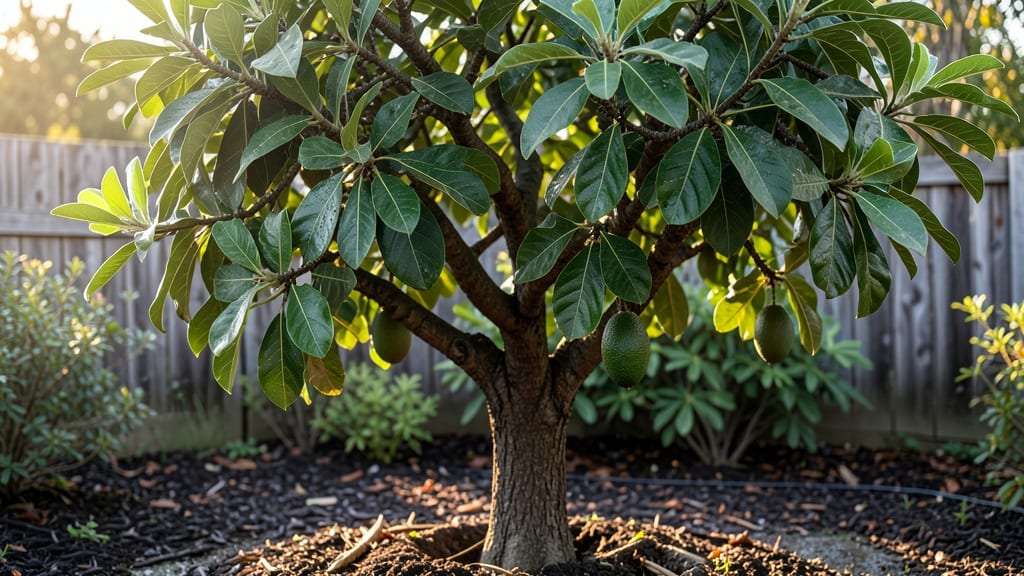
An avocado tree can grow anywhere from 20 to 80 feet tall when planted in the ground, depending on the variety and growing conditions—so your backyard might need a plan if you’re dreaming of that perfect 🥑 harvest.
Picture this: a towering Hass avocado tree stretching over your fence, its canopy blocking sunlight for your neighbor’s garden. That’s the reality for standard varieties, but dwarf options can stay under 15 feet—making them perfect for containers or small spaces.
Whether you’re dealing with a sprawling orchard or a patio-sized pot, understanding your tree’s growth potential is key. The right pruning, soil, and sunlight can make all the difference between a wild, unruly giant and a manageable, fruit-bearing beauty.
In this guide, I’ll break down the height differences between standard and dwarf varieties, how to control growth, and the best care tips to keep your avocado tree thriving—no matter how much space you have.

Standard avocado tree height limits: how big can they really get?
If you’ve ever dreamed of plucking ripe avocados straight from your backyard, you’ve probably wondered: how tall does an avocado tree grow? The answer depends on the variety, growing conditions, and whether you’re cultivating in a home garden or commercial orchard.
Standard avocado trees can reach 20 to 80 feet tall—that’s taller than most two-story homes! But don’t let those towering stats scare you off. With the right care, even home gardeners can enjoy manageable-sized trees.
The Hass avocado tree, the most popular variety in the U.S., typically matures between 30 and 50 feet tall when grown in ideal conditions. Meanwhile, the Fuerte variety often stays slightly shorter, around 20 to 35 feet.
These differences matter if you’re planning your garden layout or choosing a variety for a smaller space. Climate and soil quality also play a huge role in how tall your tree will grow.
| Variety | Mature Height (ft) | Growth Rate | Best For |
|---|---|---|---|
| Hass | 30-50 ft | Fast (1-2 ft/year) | Home gardens, orchards |
| Fuerte | 20-35 ft | Moderate (1 ft/year) | Urban yards, containers |
| Bacon | 25-40 ft | Slow (0.5-1 ft/year) | Small farms, hedgerows |
| Mexicola (Dwarf) | 6-15 ft | Slow (0.3-0.5 ft/year) | Containers, patios |
Climate is one of the biggest factors influencing avocado tree height. In tropical and subtropical zones (USDA 9-11), trees grow faster and taller due to year-round warmth and moisture.
For example, a Hass tree in Southern California might reach 40 feet in 10 years, while one in Florida’s heat could top 50 feet under ideal conditions.
In cooler zones like Zone 8 or 9, growth slows significantly, often capping at 20 to 30 feet unless grown in containers and brought indoors during winter.
Soil quality also affects height. Avocados thrive in well-draining, slightly acidic soil (pH 6.0-7.0). Poor soil with compacted clay or high salinity can stunt growth, keeping trees shorter but also reducing fruit production.
If your soil is heavy or nutrient-poor, amending it with compost and organic matter can encourage healthier, taller growth over time.
I once saw a Hass tree in Texas’ Hill Country struggle to grow past 15 feet because of rocky, alkaline soil—until the gardener added organic compost and sulfur to adjust the pH.
In commercial orchards, avocado trees are often pruned to manage height and improve fruit access. Growers might keep trees between 20 and 30 feet tall by removing suckers and water sprouts regularly. This not only makes harvesting easier but also improves air circulation, reducing disease risk.
For home gardeners, pruning is equally important if you’re concerned about tree height limits. Without pruning, a Hass tree can easily reach 60 feet or more in just 20 years!
Have you ever seen an avocado tree in your neighborhood that seemed unusually tall or short? I’ve noticed that trees in urban areas often stay shorter due to limited space and container growth.
For instance, a Hass tree in a large container might only reach 10 to 15 feet tall over 10 years, while the same variety in an open field could double that height. The key is understanding your space and adjusting your expectations—or your pruning schedule!
If you’re growing avocados in cooler climates (Zones 6-8), container culture is your best bet for controlling height. A potted avocado tree can be kept under 10 feet tall with regular pruning and root restriction. Just ensure the container is at least 15 gallons and has drainage holes.
I’ve successfully grown a dwarf Hass variety in a 20-gallon pot on my patio, and it’s now 8 feet tall after 5 years—with plenty of fruit to share!
One common misconception is that all avocado trees grow to massive heights. While it’s true that standard varieties can reach 80 feet, many gardeners opt for dwarf or semi-dwarf varieties to save space.
These are often grafted onto dwarfing rootstock, like the Mexicola rootstock, which naturally limits height. Even standard varieties can be managed with proper pruning techniques, such as open-center pruning or espalier training.
For those in small spaces
Dwarf avocado trees: compact growth hacks for small spaces
If your dream is to grow avocados but space is limited, dwarf avocado trees are your best bet. These compact varieties stay under 10 feet tall—ideal for balconies, patios, or even large containers.
The secret? Grafting onto dwarfing rootstock like Mexicola or West Indian varieties, which naturally restrict growth while maintaining fruit production.
Unlike their towering standard counterparts (which can reach 30-80 feet in-ground), dwarf avocados sacrifice minimal height for big rewards. With the right care, you can enjoy homegrown avocados without sacrificing your backyard to a jungle. Let’s break down the pros, cons, and growth hacks to keep your tree manageable.
Dwarf Avocado Trees: Height & Yield Trade-Offs
Pros
- Space-saving: Stays under 10 feet in containers
- Balcony-friendly: Thrives in 5-gallon pots with proper care
- Faster fruiting: Can produce in 3-5 years vs. 7+ for standard trees
- Urban adaptable: Tolerates container life with root pruning
Cons
- Lower yield: Produces 20-50% fewer fruits than standard trees
- Rootstock dependency: Requires grafting for dwarf traits
- Limited lifespan: Containers may reduce tree life to 15-20 years
- Pruning demands: Needs regular trimming to maintain shape
💡 Tip: Use Mexicola rootstock for the most compact growth
Grafting is the key to achieving dwarf size. By attaching a desirable avocado variety (like Hass or Fuerte) onto a dwarfing rootstock, you control the tree’s height while preserving its fruit-bearing potential.
I recommend starting with a 1-year-old seedling of Mexicola or West Indian rootstock, then grafting your chosen scion in late spring when both are actively growing.
For container growing, choose a 5-gallon pot minimum—smaller containers stunt root growth and reduce fruit production. Use a well-draining cactus/succulent mix to prevent root rot, and repot every 2-3 years to accommodate growth. Remember, dwarf trees still need 6+ hours of sunlight daily and consistent watering to thrive.
Pruning plays a crucial role in maintaining height. Focus on open-center shaping to improve airflow and fruit access. Remove suckers (shoots from the base) and overlapping branches to encourage a bushier form. In containers, prune root tips every 6 months to keep the tree from outgrowing its space.
Balcony gardeners often ask: Can you really get avocados from a dwarf tree? Absolutely—but expect smaller harvests (typically 5-10 fruits per year). To maximize yield, hand-pollinate flowers with a soft brush in the morning when bees are least active.
Pairing male and female flowers on the same tree (or nearby trees) increases fruit set dramatically.
With the right dwarf variety and care, you can enjoy fresh avocados without sacrificing your small space. Start with a grafted tree, give it plenty of sun and water, and watch it thrive—just don’t forget to prune! 🪴