
How To
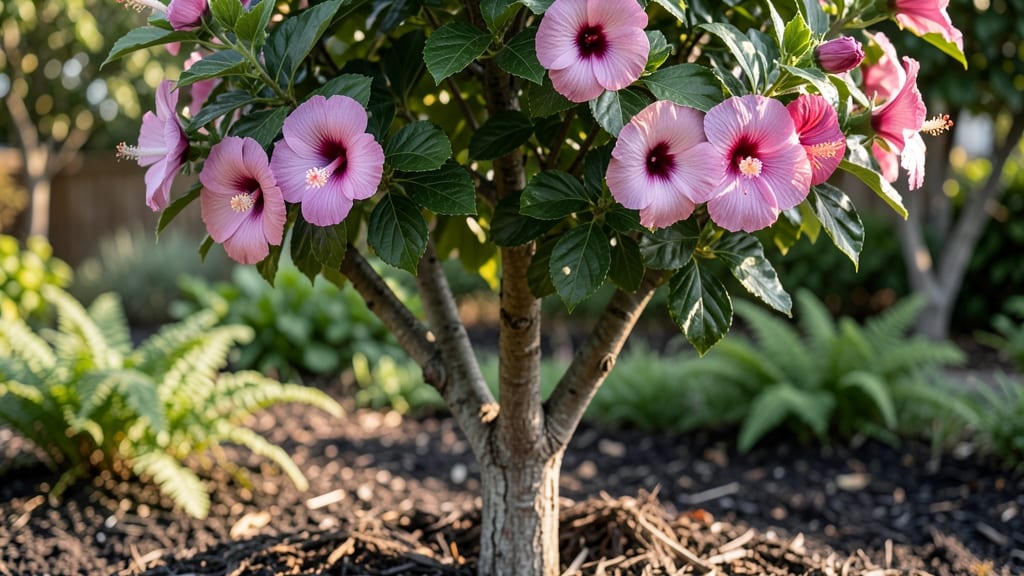
A hibiscus tree can grow how tall does a hibiscus tree grow anywhere from 3 feet to a towering 20 feet—depending entirely on the variety and how you care for it.
Wondering whether your hibiscus tree will tower over your backyard or stay compact enough for a patio? The answer depends entirely on the variety—and proper care can make a surprising difference in its height.
Tropical hibiscus (like Hibiscus rosa-sinensis) often reach 10–20 feet in ideal conditions, while hardy hibiscus (such as Hibiscus syriacus) max out around 6–10 feet. Dwarf varieties, though, stay between 3–6 feet, perfect for containers or small gardens.
In this guide, you’ll discover how to control your hibiscus’s growth naturally, from pruning tips to soil tricks, so you can grow the perfect size for your space.

Hibiscus tree height by variety: exact growth ranges for common types
If you're planning your garden layout, knowing how tall does hibiscus tree grow is essential. Hibiscus varieties range from 3-foot patio dwarfs to 20-foot backyard giants, so choosing the right type for your space matters.
The two main categories—tropical hibiscus (Hibiscus rosa-sinensis) and hardy hibiscus (Hibiscus syriacus)—offer dramatically different mature heights and growth habits.
Your hibiscus's final height depends on genetics, pruning practices, and growing conditions. Tropical hibiscus, native to warm climates, typically grows taller and faster, while hardy hibiscus (also called rose of Sharon) thrives in cooler zones but stays more compact.
Even within these categories, dwarf varieties can stay under 6 feet, while standard types reach small tree proportions.
The tropical hibiscus (Hibiscus rosa-sinensis) is the fastest grower, with some varieties like 'Lady Baltimore' shooting up 3 feet per year in ideal conditions. These trees thrive in USDA zones 10–11 but can be grown in containers and overwintered indoors in cooler climates.
Their glossy leaves and vibrant blooms make them a showstopper, but their height requires careful planning.
For small-space gardens, dwarf tropical hibiscus like 'Dwarf Red' or 'Lilac Chiffon' are perfect. These stay under 6 feet tall and grow at a slower, more manageable pace. They’re ideal for containers, patios, or small balconies where you want hibiscus beauty without the towering presence.
Just ensure they get at least 6 hours of sunlight daily to prevent leggy growth.
Hardy hibiscus (Hibiscus syriacus) is far more cold-hardy, surviving down to USDA zone 5. Varieties like 'Blue Charm' or 'Pink Giant' typically reach 6–12 feet tall and grow 1–2 feet per year.
These are excellent choices for northern gardens where tropical hibiscus wouldn’t survive winter. Their lighter, airier blooms and slightly slower growth make them easier to manage in smaller yards.
If you're wondering how to control hibiscus tree height, pruning plays a huge role. Tropical hibiscus left unpruned can quickly outgrow its space, while hardy hibiscus benefits from annual pruning to encourage bushier growth. For dwarf varieties, minimal pruning is needed—just trim back leggy stems to
How to control hibiscus tree height naturally: pruning and care tips
Your hibiscus tree's height isn't set in stone—it responds beautifully to pruning techniques and seasonal care. Whether you want a compact patio plant or a tall backyard statement piece, strategic pruning is key.
The right approach can reduce growth by 50% or more while encouraging bushier, fuller blooms. Let's explore how to shape your hibiscus naturally without harsh chemicals.
Timing matters most when controlling height. Late winter or early spring is ideal for major pruning, while light trimming after blooming maintains shape. For tropical hibiscus (Hibiscus rosa-sinensis), you can prune year-round in warm climates, but hardy hibiscus (Hibiscus syriacus) needs to wait until after dormancy.
Always use sterilized pruners to prevent disease spread between cuts.
Step-by-Step Pruning for Height Control
- 1 Assess your goal: Decide if you want compact (3-6 ft), standard (6-10 ft), or tall (10-20 ft) growth. This determines how aggressively you prune.
- 2 Prune for compact growth: Cut back 1/3 of new growth in late winter. Focus on inner branches to encourage bushiness. Never remove more than 30% of foliage at once.
- 3 Shape for standard height: Remove tallest vertical shoots to redirect energy to side branches. Prune just above a leaf node to promote horizontal growth. Aim to keep the topmost branches at your desired height.
- 4 Encourage tall growth: Allow 3-4 main stems to grow vertically. Prune only to remove dead or crossing branches. Avoid heavy trimming—this will stunt vertical growth.
- 5 Seasonal maintenance: After blooming, trim spent flowers to encourage new blooms. In fall, reduce watering by 30% to slow growth before dormancy.
- 6 Avoid these mistakes: Never prune new growth in fall (causes winter dieback), don't remove more than 1/3 of foliage at once, and avoid topping (cutting the very top) which stresses the plant.
Soil quality plays a surprising role in height control. Well-draining, slightly acidic soil (pH 6.0-6.5) promotes balanced growth, while nutrient-poor soil can stunt your hibiscus. Mix in 2-3 inches of compost annually to encourage healthy, controlled growth.
Over-fertilizing with nitrogen can lead to leafy but leggy growth—exactly what you want to avoid if you're aiming for a compact shape.
Light exposure directly impacts height. Full sun (6+ hours daily) encourages vertical growth, while partial shade keeps plants shorter but may reduce blooms. If your hibiscus is growing too tall, consider moving it to a morning sun, afternoon shade location.
This subtle shift can reduce height by 20-30% without pruning. Just be prepared for slightly fewer flowers.
Watering habits also influence height. Deep, infrequent watering (every 3-5 days) encourages strong root systems that support controlled growth. Shallow, frequent watering leads to weak stems that stretch upward for sunlight.
Always water at the base of the plant to avoid wetting leaves, which can cause fungal issues that stress the plant and affect growth patterns.
With consistent care, you can shape your hibiscus to fit your space perfectly. Start with light pruning to assess how your plant responds, then adjust your approach based on its growth habits.
Remember, hibiscus trees are forgiving—even aggressive pruning won't kill them, though it may reduce blooms temporarily. Patience and observation are key to achieving your ideal height naturally. 🌿