
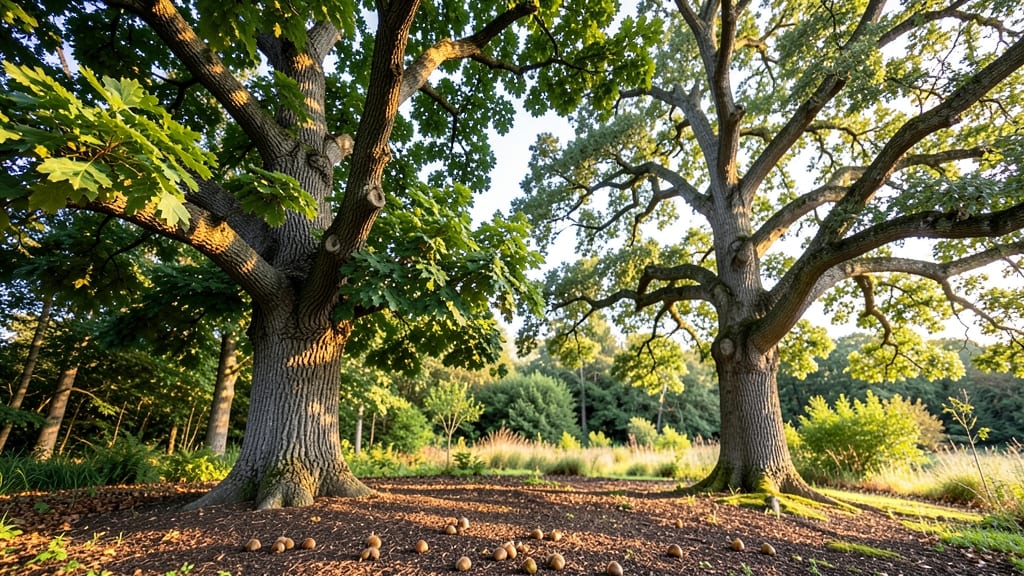
How Tall Do Oak Trees Grow: Fastest Species and Space Planning Tips

How To

How Tall Do Oak Trees Grow: Fastest Species and Space Planning Tips
Oak trees grow to how tall does an oak tree grow? heights of 60 to 100 feet or more, depending on the species and growing conditions—some varieties stretch taller than a 10-story building while others stay more manageable for suburban yards.

Wondering if that empty corner of your yard could become home to a majestic oak tree? The answer depends on the species—some reach skyscraper heights while others stay compact enough for suburban spaces.

From the towering white oak to the slower-growing live oak, each variety has its own growth story. Whether you're dreaming of shade for future generations or simply want a stately tree that fits your landscape, understanding these differences is the key to making the right choice.

In this guide, I’ll break down the fastest-growing species, how to plan your space for long-term success, and the simple care tips that help oak trees reach their full potential—without turning your yard into a jungle.

Oak Tree Height Range
60 ftto100 ft
0 ft 3 ft 6 ft 9 ft 12 ft
🌱 Very Very Tall Tree

Oak tree height by species: fastest-growing giants vs. compact varieties

Choosing an oak tree for your landscape means balancing height potential with your available space. Some varieties grow into towering giants, while others remain manageable for suburban yards. The mature height of an oak tree can vary by 100 feet between species, making species selection critical for long-term planning.

Fast-growing oaks like the pin oak and willow oak reach impressive heights quickly, while others like the bur oak grow more slowly but still dominate landscapes. Understanding these differences helps you select the perfect oak for your yard's size and your long-term vision.

Below is a detailed comparison of 10+ oak species, including their mature height ranges, growth rates, and ideal climates. This guide ensures you pick an oak that thrives in your USDA hardiness zone while meeting your height expectations.

Species Mature Height (ft) Growth Rate (ft/year) Ideal Climate Best For
White Oak 75-100 ft 1-2 ft Zones 3-9 Large yards, forests
Red Oak 60-80 ft 1.5-2.5 ft Zones 4-8 Urban parks, landscapes
Live Oak 60-80 ft 1-1.5 ft Zones 7-10 Southern landscapes
Pin Oak 50-70 ft 2-3 ft Zones 4-9 Medium yards, streets
Bur Oak 40-70 ft 1-1.5 ft Zones 3-8 Cold climates, parks
Willow Oak 40-60 ft 2-3 ft Zones 5-9 Small yards, wetlands
Swamp Oak 50-80 ft 1.5-2 ft Zones 6-10 Wetlands, floodplains
Black Oak 50-70 ft 1-2

Space planning for oak trees: how to choose based on yard size

Choosing the right oak tree for your yard isn’t just about aesthetics—it’s about long-term planning. Oak trees have expansive root systems and towering canopies that can dwarf even the largest suburban lots. Before planting, measure your space and research species that match your yard size and landscape goals.

A white oak in a small urban yard could become a problem within decades, while a dwarf variety (like Bur oak) might thrive in tight spaces.

Urban gardeners often face the biggest challenge: balancing root spread with limited space. Most oak species need 40–60 feet of clearance for mature roots, but some varieties like pin oak or swamp white oak adapt better to constrained environments.

Rural properties, on the other hand, can accommodate giant oaks like bur oak or northern red oak, which reach 70–100 feet tall.

Oak Species Mature Height (ft) Root Spread (ft) Best For
White Oak 60–80 50–70 Large rural yards
Red Oak 65–90 50–65 Open woodlands
Bur Oak 40–60 35–50 Suburban yards
Pin Oak 50–70 30–45 Urban lots
Swamp White Oak 50–65 40–55 Wetland edges

When planning, consider more than just tree height. The root spread of an oak can extend 2–3 times the width of its canopy. For example, a white oak with a 60-foot canopy may have roots spreading 120 feet in all directions.

This means planting too close to foundations, sidewalks, or septic systems can lead to costly damage over time. Always check local setback laws before digging.

For urban spaces, smaller oaks like pin oak or bur oak are ideal. These varieties grow to 50–60 feet tall but have tighter root systems, making them safer for paved areas.

In rural settings, prioritize fast-growing species like northern red oak, which can reach 90 feet in ideal conditions. Pair these giants with buffer plants like shrubs or perennials to soften their impact on the landscape.

Don’t forget to account for long-term growth. A sapling may look harmless now, but in 20–30 years, it could block sunlight for neighboring plants or even shade your home. Use spacing charts as a guide, but always err on the side of giving your oak extra room.

If your yard is on the smaller side, consider planting a single specimen oak as a focal point rather than multiple trees, which can create overcrowding.

Finally, think about future maintenance. Larger oaks require professional pruning and may need storm-resistant roots if you live in windy or icy climates. Smaller varieties, while easier to manage, still need regular care to prevent disease.

Whichever oak you choose, plant it in full sun and well-draining soil to ensure healthy, steady growth over decades.

★★★★★4.6(10 reviews)
Categories How To