
How To
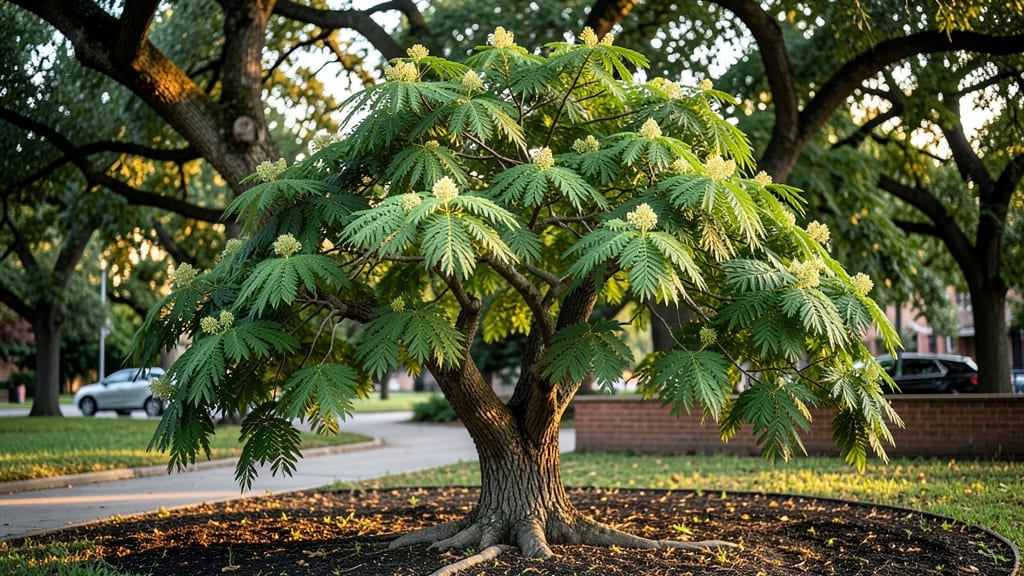
A Tree of Heaven 🌳 can grow 40 to 65 feet tall—that’s taller than a four-story building—if left unchecked, making it one of the fastest-growing trees in North America.
You might love its speed, but that rapid climb can quickly turn into a headache if you’re not prepared. Whether it’s shooting up in your backyard or crowding out other plants in a vacant lot, understanding its growth habits is the key to managing it—before it manages you.
By the end of the first decade, it can hit 30 feet, and without intervention, it won’t stop there. The good news? With the right pruning and soil strategies, you can slow its ascent—or even redirect its energy—without sacrificing its striking presence.
Here’s what you need to know about its growth timeline, how to control it, and why it might still be worth planting despite its invasive reputation.

Tree of Heaven height by decade: growth rate timeline
The Tree of Heaven (Ailanthus altissima) is one of nature’s fastest-growing trees, capable of shooting up 3–4 feet per year under ideal conditions. Its height progression isn’t linear—it accelerates dramatically in the first decade before stabilizing.
Understanding this timeline helps gardeners prepare for its invasive potential or leverage its speed for quick shade solutions.
In its first 3 years, a Tree of Heaven sapling can reach 10–20 feet tall if planted in rich, well-drained soil with full sun. This rapid early growth is why many gardeners either love it or despise it—it’s either a landscape game-changer or a nightmare neighbor.
The key factor here is soil quality; compacted or nutrient-poor soil slows growth by 30–50%.
Decade 1 (Years 0–10): Expect 20–40 feet of height under optimal conditions. Trees in USDA Zones 6–9 (where frost-free periods are long) grow faster than those in colder climates. For example, a Tree of Heaven in Zone 8 Atlanta might hit 35 feet by year 5, while one in Zone 6 Chicago could stall at 25 feet due to shorter growing seasons.
Here’s how environmental factors impact growth speed in the first decade:
- Sunlight: Full sun (6+ hours/day) = 50% faster growth than partial shade.
- Soil: Loamy, well-drained soil with compost amendments accelerates growth by 2–3 feet/year.
- Water: Deep watering 2–3 times/week in dry spells prevents height plateaus.
Decade 2 (Years 10–20): Growth slows to 1–2 feet per year as the tree matures, but it can still add 15–25 feet to its height. This is when root competition and space constraints become critical. In urban settings, Tree of Heaven often hits 50 feet by year 15 if unchecked, crowding out nearby plants and damaging sidewalks with its aggressive roots.
By Year 20, most Tree of Heaven specimens reach 55–65 feet, though exceptional cases in tropical climates (e.g., Florida, Hawaii) can exceed 75 feet.
The difference? Longer growing seasons and warmer winters allow continuous growth. In colder regions like Zone 5, growth may plateau entirely in winter months.
Decade 3 (Years 30+) marks the senescent phase, where height gains are minimal (0.5 feet/year or less). Trees in this stage often develop thinner canopies and weaker branches due to disease pressure (e.g., anthracnose) or nutrient depletion. However, some specimens in ideal conditions continue growing past 80 feet, though this is rare.
If you’re considering planting a Tree of Heaven, monitor its growth closely in the first 5 years—this is when 90% of its height potential is determined. For urban gardeners, root barriers and regular pruning can limit height to 30–40 feet, making it manageable for small yards.
Just remember: once it’s established, removal is a challenge—its roots sprout new shoots even after
How to control Tree of Heaven growth: pruning and management tips
The Tree of Heaven (Ailanthus altissima) can reach heights of 40 to 65 feet if left unchecked, making it one of the fastest-growing trees in North America. While its rapid growth may seem impressive, it often leads to overcrowding and invasive spread.
To manage its size and spread, you’ll need a combination of pruning techniques, root barriers, and chemical suppression—all while considering local regulations.
If you’re dealing with a young Tree of Heaven, the best time to act is during its first 3 years. At this stage, it’s easier to control its growth with targeted pruning and root management.
For mature trees, suppression methods become more critical, as their extensive root systems make removal difficult. Always check local laws before taking action, as many regions classify it as an invasive species.
⚠️ Legal Warning: Tree of Heaven Removal
Many states and counties prohibit planting or spreading Tree of Heaven due to its invasive nature. Before pruning or removing, check with your local agricultural extension office or invasive species regulatory body. Some areas require permits for chemical treatment or physical removal.
Start with selective pruning in late winter or early spring, before new growth begins. Remove suckers and water sprouts at the base to prevent regrowth. For larger branches, use three-cut pruning to avoid tearing the bark. Always sterilize your tools with 70% rubbing alcohol to prevent disease spread between cuts.
For established trees, install a deep root barrier (at least 3 feet deep) to contain roots. Use HDPE plastic or concrete barriers, buried vertically around the tree’s drip line.
Combine this with mulch rings to suppress weeds and reduce competition. Avoid piling mulch against the trunk, as this can cause rot.
If pruning and barriers aren’t enough, consider herbicidal treatments. Apply triclopyr or glyphosate directly to cut stumps or foliar surfaces in early summer, following label instructions. For organic options, try vinegar-based sprays (3% acetic acid) mixed with dish soap for young trees. Always wear protective gear when handling chemicals.
Monitor your Tree of Heaven regularly, especially after pruning or treatment. New shoots may emerge from roots or stumps, requiring repeated applications. In severe cases, consider professional removal, as mature trees can regrow from root fragments left in the soil.
With patience and persistence, you can slow—or even stop—its aggressive expansion.
Remember, the key to managing Tree of Heaven is early intervention. The sooner you act, the less damage it’ll cause to your landscape. Whether you’re pruning, installing barriers, or using chemicals, stay consistent and compliant with local regulations to keep this tree in check.