
How To
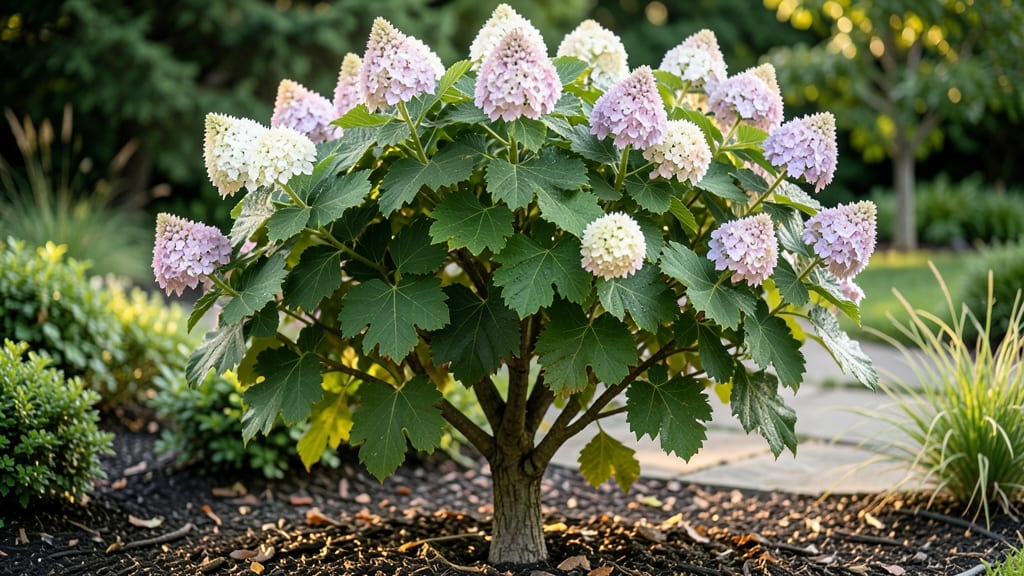
Hydrangea tree height by variety: from compact to towering giants
Choosing a hydrangea tree often comes down to one key question: how tall will it grow? While some varieties stay compact enough for small gardens, others can reach towering heights, creating stunning focal points.
The difference lies in the variety—whether you're working with panicle hydrangeas, oakleaf hydrangeas, or smooth hydrangeas. Each type has distinct growth habits that determine whether your new tree will fit neatly in a corner or dominate your landscape.
Understanding these height ranges helps you plan your garden layout with confidence. For example, a dwarf variety might top out at just 4 feet, while a tall-growing panicle hydrangea can soar to 15 feet or more.
The right choice depends on your space, sunlight conditions, and whether you're aiming for privacy, shade, or simply a beautiful accent plant. Let’s explore the most popular hydrangea tree varieties and their mature heights.
When selecting a hydrangea tree, consider not just its mature
How to control hydrangea tree height: pruning tips for small yards
Pruning your hydrangea tree isn’t just about shaping—it’s the key to controlling its height and spread in small spaces. Whether you’ve got a 6-foot Limelight or a 10-foot Oakleaf, strategic cuts can keep it from outgrowing your yard.
The best part? You don’t need to be a pruning pro to get stunning results with just a few simple techniques.
Timing is everything when it comes to pruning. Cutting at the wrong time can stunt growth or even kill your plant. Most hydrangea trees benefit from pruning in late winter or early spring, just as new growth begins.
For varieties like paniculata (e.g., Limelight), you can also prune in summer to shape without sacrificing next year’s blooms.
Before you grab your shears, gather the right tools: bypass pruners for clean cuts, loppers for thicker branches, and gloves to protect your hands. Disinfect your tools with rubbing alcohol to prevent spreading disease between cuts.
Pro tip: Always cut just above a bud or node—this encourages fuller growth and prevents unsightly stubs.
For small yards, focus on selective pruning to encourage bushier growth. Remove 1/3 of the oldest stems at the base each year to promote new, younger branches. If your tree is too leggy, cut back the longest stems by half to redirect energy to lateral branches.
Remember: Less is more—aggressive pruning can shock your plant and delay flowering.
Common mistakes like pruning too late in the season or cutting into old wood (for varieties like mophead hydrangeas) can ruin next year’s blooms. Always research your specific variety—some, like paniculata, bloom on new wood and can handle summer pruning, while others need winter cuts.
When in doubt, prune lightly and observe how your tree responds.
After pruning, give your hydrangea tree a light fertilizer to support recovery. Water deeply to help roots absorb nutrients, and mulch around the base to retain moisture. With consistent care, you’ll keep your hydrangea tree at your desired height while enjoying lush blooms year after year. 🌿✂️🌸