
Pruning
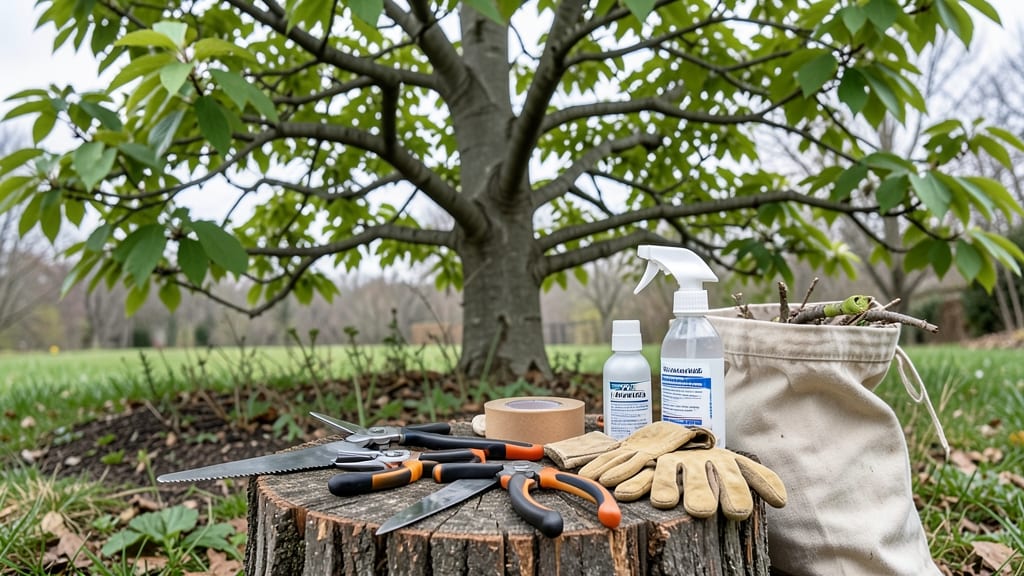
Watch this how to prune a dogwood tree video for expert tips that’ll keep your dogwood healthy and flowering for decades. ✂️ I’ve pruned mine every year since planting, and the difference in shape, strength, and blooms is night-and-day—especially when you time it right and make clean cuts.
The best time to prune is late winter or early spring, just before new growth starts. You’ll need sharp pruners, a saw for thicker branches, and a ladder (or a very tall friend).
The goal is to remove dead wood, thin crowded branches, and shape the tree without overdoing it. After pruning, your dogwood will reward you with vibrant new growth and even more dramatic spring blooms. The key is patience—dogwoods respond slowly but steadily to careful cuts.
I’ll show you exactly where to cut and what to avoid. This method works for both flowering dogwoods (Cornus florida) and their ornamental cousins. Let’s get those branches looking sharp and your tree thriving!
📚 In This Guide
- What you need
- Instructions
- Tips and common mistakes
- Wrapping up and next steps
What you need
- ● Bypass pruners (sharp, clean, and disinfected with rubbing alcohol or bleach solution to prevent disease spread) – 1 pair
- ● Loppers (for thicker branches, 1.5"–2" cutting capacity) – 1 pair
- ● Pruning saw (for large branches, 8"–10" blade) – 1
- ○ Extension pole pruners (for high branches, 6'–10' reach) – optional but helpful
- ● Gloves (cut-resistant, like leather or heavy-duty work gloves) – 1 pair
- ● Safety glasses (to protect from debris) – 1 pair
- ● Disinfectant (rubbing alcohol, 10% bleach solution, or pruning sealant) – for sterilizing tools
- ○ Pruning sealant (optional, for large cuts to prevent disease) – small bottle
- ● Tarp or drop cloth (to collect debris) – 1–2 sheets
- ● Ladder or step stool (if tree is over 6' tall) – stable and secure
- ○ Notebook & pen (to sketch a pruning plan or mark cuts) – optional
Step-by-step instructions for pruning dogwood trees
Here’s the method I use to keep dogwoods thriving—clean cuts that encourage strong blooms and shape.
✂️ Step 1: Identify and Remove Dead or Diseased Branches
Start by scanning the tree for any branches that look brittle, cracked, or discolored—these are dead or dying. Use sharp pruning shears to cut these back to the main trunk or a healthy lateral branch. Dogwoods are prone to fungal issues, so always sterilize your tools with rubbing alcohol between cuts to prevent spreading disease.
Watch for branches with blackened spots or oozing sap—these are clear signs of infection. Remove them immediately, cutting 6 inches below the affected area to ensure the fungus doesn’t linger. If a branch is larger than 2 inches in diameter, use a pruning saw instead of shears to avoid tearing the bark.
✂️ Step 2: Thin Out Crowded or Rubbing Branches
Next, focus on branches that cross or rub against each other—these create wounds where pests and diseases can enter. Look for areas where branches grow too close together, leaving no space for airflow. Remove the weaker of the two branches by cutting back to the trunk or a healthy lateral branch at a 45-degree angle.
Dogwoods bloom best when they have good airflow, so don’t be afraid to thin out up to 25% of the canopy if needed. You’ll see the tree’s structure open up, allowing sunlight to reach all parts evenly. This step also helps prevent future breakage during storms.
✂️ Step 3: Shape the Tree for Balance and Airflow
Now, step back and assess the tree’s overall shape. Dogwoods naturally grow with a rounded canopy, so aim to maintain that form while removing any branches that disrupt it. Cut back any branches that grow inward or downward, as these can block light and reduce flowering.
For larger branches, make your cuts just outside the branch collar—the swollen area where the branch meets the trunk. This ensures the tree can seal the wound properly. Avoid leaving stubs, as they invite decay. If you’re unsure where to cut, follow the natural curve of the branch to guide your shears.
✂️ Step 4: Prune for Blooms and Growth
Dogwoods bloom on old wood, so avoid heavy pruning in late winter or early spring when buds are forming. Instead, focus on light pruning after the tree has finished flowering. Remove any suckers or water sprouts—these fast-growing shoots drain energy from the main tree and should be cut at the base.
If your dogwood hasn’t bloomed well, check for overcrowded branches or branches that grow too close to the ground. Prune these out to redirect energy toward stronger, more vibrant flowers. After pruning, water the tree deeply to help it recover and promote new growth.
🌿 Step 5: Clean Up and Monitor for Recovery
Once you’ve finished pruning, rake up and dispose of all debris—this prevents pests and diseases from taking hold. Sterilize your tools again to ensure they’re ready for the next use. Dogwoods typically recover well from pruning, but watch for signs of stress like wilting or yellowing leaves.
Over the next few weeks, keep an eye on the tree’s progress. Healthy new growth should appear within 4-6 weeks, and you’ll notice a fuller, more open canopy. If you see any unusual spots or wilting, act quickly to treat the issue before it spreads.
Tips & tricks for pruning dogwood trees
I've pruned my fair share of dogwoods, and these small details make all the difference between a tree that thrives and one that struggles.
Tool Prep is Non-Negotiable: Before you even touch a branch, sterilize your pruning shears and saw with rubbing alcohol. I learned this the hard way after my first dogwood pruning session left me with a tree that developed fungal spots weeks later. Clean tools between every cut, especially when dealing with diseased branches. For larger cuts, use a sharp pruning saw to avoid tearing the bark, which creates entry points for infections.
Look for the Branch Collar: When making cuts in Step 3, always aim just outside the branch collar—the swollen area where the branch meets the trunk. This is where the tree naturally seals wounds. If you cut too close or leave a stub, you'll create weak points that invite decay. I always run my finger along the branch to feel for that collar before making my cut. It's like finding the sweet spot on a racquet—once you know where it is, every cut becomes cleaner.
Timing is Everything for Blooms: Dogwoods bloom on old wood, so timing matters. I always wait until after the tree has finished flowering before doing any significant pruning. This ensures you don't accidentally remove next year's flower buds. If you must prune in late winter, keep it light—just remove dead or diseased branches. The 4-6 week recovery time mentioned in Step 5 is your window to see if you've done it right—healthy new growth is your best indicator.
Seasonal Pruning Strategy: For maximum health, I do most of my pruning in late winter or early spring, but only after the tree has finished blooming. This gives the tree plenty of time to recover before winter stress sets in. If you notice overcrowding during the growing season, you can do light thinning pruning then, but avoid heavy cuts. The key is to never remove more than 25% of the canopy in one season—this keeps the tree's energy balanced for strong growth.
Pro Tips for Prune A Dogwood Tree Video
- I've pruned my fair share of dogwoods, and these small details make all the difference between a tree that thrives and one that struggles.
- Tool Prep is Non-Negotiable: Before you even touch a branch, sterilize your pruning shears and saw with rubbing alcohol.
- Look for the Branch Collar: When making cuts in Step 3, always aim just outside the branch collar—the swollen area where the branch meets the trunk.
Frequently asked questions
Got questions about pruning your dogwood tree? You’re not alone! Here are some of the most common concerns—and straightforward answers—to help you feel confident before you start.
When is the best time to prune a dogwood tree?
The ideal time is late winter or early spring, just before new growth begins. This timing minimizes stress on the tree and reduces the risk of disease. Avoid pruning in fall, as wounds may not heal properly before winter. For flowering dogwoods, prune after they bloom to preserve next year’s flowers.
Can I prune a dogwood tree in summer?
While you can prune in summer, it’s not ideal. Heavy summer pruning can stress the tree, especially in hot climates, and may lead to sunburn or reduced flowering. If you must prune, do so early in the season (June) and avoid removing more than 25% of the foliage at once. Light trimming to remove dead branches is fine anytime.
What if I accidentally cut into the trunk or large branches?
Don’t panic! Small accidental cuts (under 1/4 inch wide) will heal over time. For larger wounds, clean the edges with pruning shears and apply tree wound dressing (optional) or leave it open to air—modern research shows sealants aren’t necessary. Monitor the area for signs of rot or disease (oozing sap, discoloration) and contact an arborist if issues arise.
How much can I prune a dogwood tree at once?
Stick to the 25% rule: Never remove more than 25% of the tree’s foliage in a single pruning session. Dogwoods are sensitive to over-pruning, which can weaken the tree or reduce flowering. For shaping, focus on gradual adjustments over 2–3 years. If your tree looks severely overpruned, prioritize removing dead or diseased branches first.
What should I do if my dogwood tree isn’t flowering after pruning?
Flowering dogwoods (Cornus florida) rely on last year’s growth for blooms. If you pruned too late (after flowering) or removed too many branches, give it a year to recover. Ensure the tree gets full sun to partial shade and well-draining soil. If the issue persists, check for pests (like borers) or diseases (powdery mildew), which can also inhibit flowering.
Wrapping up and next steps
Pruning your dogwood tree doesn’t have to be intimidating—with the right tools, timing, and technique, you’ll help it thrive! 🌿 Remember to remove dead branches, thin out crowded growth, and shape for airflow, always using clean cuts to prevent disease.
Whether you’re a beginner or a seasoned gardener, a little patience and care go a long way.
Ready to give your dogwood the TLC it deserves? Grab your pruners, watch the video for a visual guide, and get started! Your tree—and your garden—will thank you.