
How To
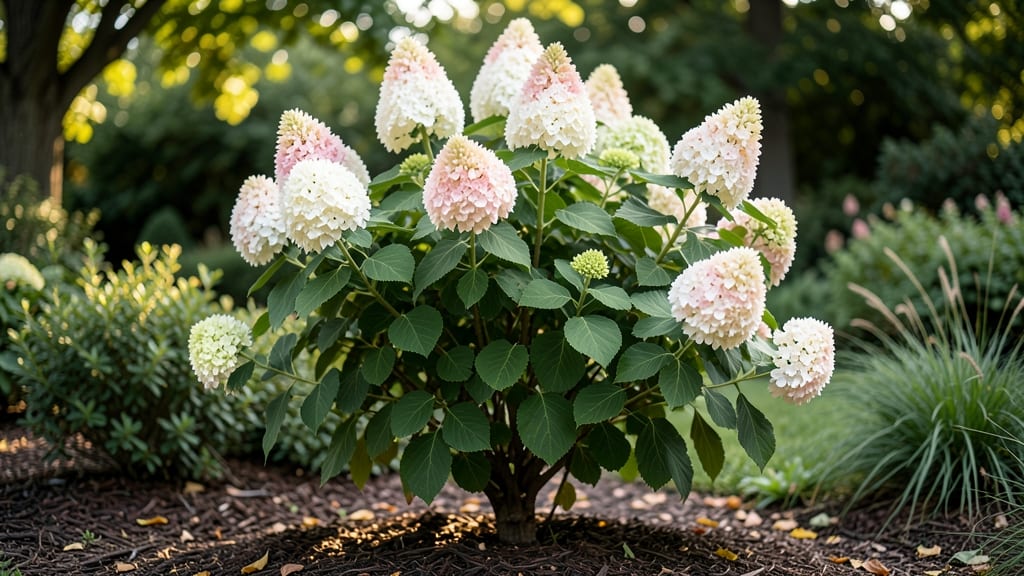
A hydrangea tree—how tall do they grow?—can range from 5 feet to towering 25 feet, depending on the variety you choose—and picking the wrong one might leave you with a pruning marathon for years.
If you’re dreaming of a stunning hydrangea tree but worried about it outgrowing your yard, you’re not alone. Many gardeners struggle to predict these beauties’ mature heights, especially when some cultivars like Hydrangea paniculata ‘Limelight’ shoot up three times faster than their dwarf cousins.
Here’s the key: fast-growing varieties like ‘Limelight’ or ‘Little Quickfire’ can reach 15–20 feet in just 5–7 years, while compact types such as ‘Endless Summer’ stay under 6 feet. The difference comes down to genetics, pruning habits, and sunlight exposure.
In this guide, I’ll break down the fastest-growing hydrangea trees, how to control their height with smart pruning, and which dwarf varieties fit even the smallest yards—so you can plant with confidence and skip the guesswork.

Hydrangea tree height guide: fastest-growing cultivars and their mature sizes
Choosing a hydrangea tree means balancing your dream of lush blooms with your yard’s space constraints. Some varieties like Hydrangea paniculata can reach 15–20 feet, while others stay compact at just 3–5 feet. The key is selecting a cultivar that matches your garden layout and growth goals.
Fast growth isn’t always better—some hydrangeas gain 3 feet per year, while others grow just 6 inches annually. I’ll break down the tallest, fastest-growing varieties first, then share space-saving options for smaller gardens. This way, you can pick the perfect fit without sacrificing beauty.
Pro Tip: Always check your hydrangea’s mature height and growth rate before planting. A 10-foot tree in 3 years might sound ideal, but it could block sunlight for other plants or hit power lines. Measure twice, plant once!
If you’re after a statement-making hydrangea, ‘Limelight’ and ‘Firelight’ are the fastest growers, reaching 12–15 feet in just 5–6 years. Their panicle blooms also last longer into fall, adding seasonal interest. However, their rapid growth means they’ll need regular pruning to control spread.
For small-space gardens, ‘Little Lime’ and
How to control hydrangea tree height: pruning tips for compact growth
Pruning your hydrangea tree is the key to keeping it at your desired height while maintaining its health and blooms. The right timing and technique make all the difference—especially when dealing with fast-growing varieties like Hydrangea paniculata or H. arborescens.
Without proper pruning, you might end up with a towering, unruly plant that overshadows your patio or power lines. Let me walk you through the essential steps to keep your hydrangea tree in check.
First, understand that pruning needs vary by type. For example, paniculata hydrangeas (like 'Limelight') grow aggressively and can reach 15-20 feet if left unchecked, while oakleaf hydrangeas (like 'Snow Queen') are more compact and only need light shaping.
Knowing your specific variety ensures you prune at the right time and amount to avoid stunting growth or encouraging sprawl.
⚠️ WARNING: Common Pruning Mistakes That Stunt Growth ⚠️
⚠️ Over-pruning (cutting more than 1/3 of the plant) stresses hydrangeas and can lead to sparse foliage or weak stems. Always leave at least 2-3 sets of leaves on each branch.
⚠️ Using dull or dirty tools can spread disease. Disinfect your pruners with rubbing alcohol between cuts to prevent bacterial infections like leaf spot.
For paniculata hydrangeas, the best time to prune is late winter or early spring (just as new buds form). Cut back 1/3 of the plant’s height) to encourage bushier growth and larger blooms.
For oakleaf hydrangeas, prune immediately after flowering to shape the plant while preserving next year’s blooms. Always use clean, sharp pruners and make cuts just above a bud or leaf node at a 45-degree angle.
If your hydrangea tree is already too tall, don’t panic. You can gradually reduce its height over 2-3 years by pruning back 1 foot at a time each late winter.
For example, if your tree is 15 feet tall and you want it at 8 feet, cut back 2 feet per year) until you reach your goal. This method prevents shock to the plant while still achieving your desired height.
For compact growth, focus on selective pruning. Remove overcrowded branches from the center of the plant to improve airflow and reduce disease risk. Thin out weak or crossing branches) to encourage stronger growth.
Avoid "heading back" (cutting stems just above a leaf) unless you’re shaping a specific form, as this can lead to a bushy but leggy appearance.
Finally, remember that hydrangeas respond well to regular care. After pruning, apply a balanced fertilizer (like 10-10-10) in early spring to support new growth. Keep the soil moist but well-draining, and mulch around the base to retain moisture.
With the right pruning techniques, your hydrangea tree will stay lush, healthy, and at the perfect height for your garden. 🌿