
Trees
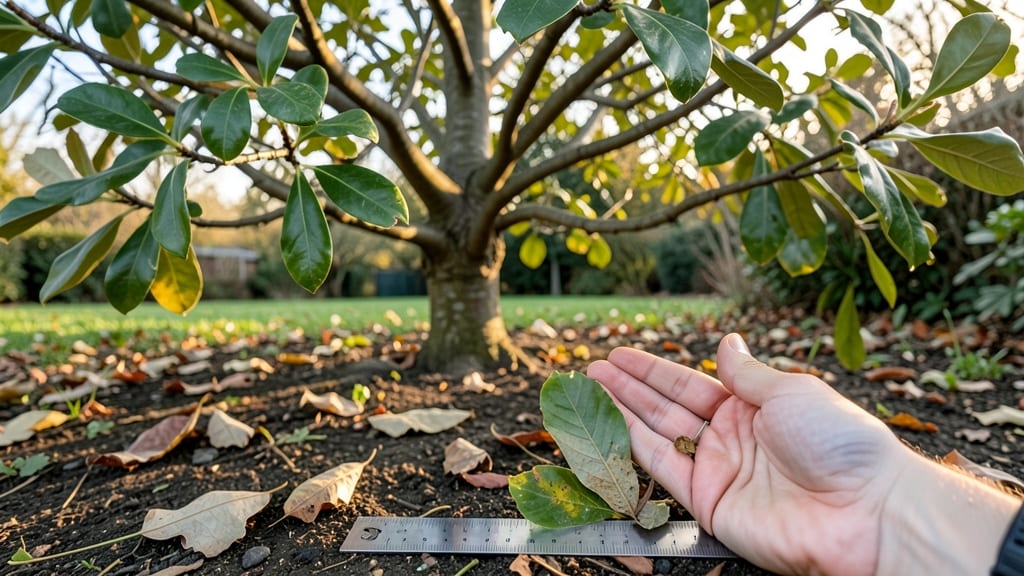
When your magnolia tree's leaves start falling off like confetti in a summer breeze, it’s never a good sign. 🌿 I’ve seen this happen after everything from a late frost to a hidden pest invasion—each case requires a different fix, and acting fast can save your tree.
The good news? Most leaf drop issues are fixable with the right diagnosis. Start by checking for yellowing edges (nutrient deficiency), black spots (fungal disease), or tiny holes (pests). A simple soil test or magnifying glass inspection can reveal the real culprit in minutes.
Once you identify the problem, solutions range from balanced fertilizer applications to targeted fungicides or even just adjusting watering habits. The key is acting before the tree loses too much foliage—magnolias are tough, but they won’t bounce back from severe stress.
Whether it’s environmental stress, pests, or disease, we’ll walk through the top 5 causes and their fixes so your tree can bounce back stronger than ever.
Root Causes Behind Leaf Loss
When your magnolia tree’s leaves start dropping prematurely, it’s often a distress signal from the tree itself. Understanding the why behind the problem is the first step toward saving your tree.
Below, we break down the most common—and sometimes surprising—reasons magnolia leaves fall off, complete with scientific explanations and actionable insights to help you diagnose the issue accurately.
Magnolias are hardy but sensitive to extreme or sudden changes in their environment. When conditions veer outside their comfort zone, leaves may drop as a survival mechanism. Here’s what to watch for:
- Temperature Fluctuations: Magnolias thrive in USDA Zones 4–9, but they hate rapid temperature swings—especially late spring frosts or early fall freezes. When temperatures dip below 20°F (-6°C), cellular damage occurs, causing leaves to blacken and fall. Pro tip: If you’re in a marginal zone, consider mulching the root zone in winter to insulate roots and protect the canopy.
- Drought or Overwatering: Magnolias prefer consistently moist but well-drained soil. Drought stress triggers abscission (the natural shedding of leaves) to conserve water, while soggy soil leads to root rot, starving the tree of nutrients. Action step: Check soil moisture 2–3 inches deep—if it’s dry, water deeply; if it’s soggy, improve drainage with organic matter.
- Wind or Physical Damage: Strong winds can physically tear leaves from branches, especially on young or flexible magnolia varieties like Magnolia grandiflora. Look for uneven browning or jagged edges—a clear sign of mechanical stress.
Pests don’t just nibble—they suck sap, lay eggs, or spread diseases that force magnolias to shed leaves prematurely. Here’s how to spot the culprits:
| Pest | Signs of Infestation | Why Leaves Fall | Fix It |
|---|---|---|---|
| Magnolia Scale (a sap-sucking insect) | Sticky residue ("honeydew") on leaves, white/brown bumps on stems | Scale insects starve the tree by blocking nutrient flow, triggering leaf drop | Apply horticultural oil in early spring (before buds swell) or dormant season |
| Webworms (larvae of moths) | Silken webs in leaf axils, chewed leaves with frass (insect droppings) | Heavy feeding weakens leaves, causing them to yellow and drop | Prune and burn infested branches; use Bt (Bacillus thuringiensis) spray for larvae |
| Japanese Beetles | Skeletonized leaves (only veins remain), beetles on foliage | Beetles defoliate trees quickly, forcing early leaf drop | Handpick beetles into soapy water; use neem oil as a repellent |
💡 Pro Tip: If you suspect pests, examine the undersides of leaves and new growth—this is where many insects hide. Early intervention is key!
Fungi thrive in moist, humid conditions and can turn your magnolia’s leaves into a nutrient-sucking buffet. Here’s how to identify fungal culprits:
- Powdery Mildew:
Look for white, powdery patches on leaves (especially on the upper surface).
This fungus clogs stomata (leaf pores), preventing gas exchange and causing premature drop. Solution: Improve airflow with pruning and apply neem oil or baking soda spray (1 tsp baking soda + 1 quart water + a drop of soap).
- Anthracnose:
Dark, irregular spots with yellow halos appear on leaves, which eventually crinkle and fall. This disease thrives in wet springs and attacks young leaves. Fix: Rake and destroy fallen leaves; apply copper fungicide before bud break.
- Root Rot (Phytophthora):
While not a leaf disease, root rot from overwatering or poor drainage strangles the tree, causing yellowing and leaf drop from the bottom up. Action: Test soil drainage; if compacted, add compost or sand.
✨ Prevention Tip: Water at the base (not overhead) to reduce fungal spores splashing onto leaves. Early morning watering lets foliage dry quickly.
Magnolias are heavy feeders, and when soil lacks key nutrients, leaves may drop as the tree prioritizes survival over growth. Here’s what to check:
- Nitrogen Deficiency:
Yellowing between leaf veins (a classic sign) means your tree can’t produce enough chlorophyll. This often happens in poor or sandy soil. Solution: Apply a balanced fertilizer (10-10-10) in early spring and mulch heavily to retain moisture and nutrients.
- Iron or Magnesium Deficiency:
Yellowing leaves with green veins (chlorosis) signal iron deficiency, while yellow patches between veins (with purple undersides) indicate magnesium deficiency. Fix: Apply chelated iron (for iron) or Epsom salt (magnesium sulfate) (1 tbsp per gallon of water) in early spring.
- Potassium Deficiency:
Leaves may curl, brown at the edges, and drop early. Potassium helps regulate water and disease resistance. Solution: Use a potassium-rich fertilizer (like 0-0-50) or add compost to the soil.
🔥 Warning: Avoid over-fertilizing—this can burn roots and worsen leaf drop. Always water deeply after applying fertilizer
Quick Fixes for Dropping Magnolia Leaves
When your magnolia tree’s leaves start falling off prematurely, it’s time to take action—before the problem worsens. Below are practical, step-by-step solutions tailored to the most common causes, along with prevention tips to keep your tree thriving. 🌿💡
If your magnolia is dropping leaves due to extreme temperatures (sudden cold snaps, heatwaves, or late frosts), follow these steps to revive it:
🌡️ Step 1: Adjust Watering Immediately
- 💧 Water deeply but infrequently—magnolias hate soggy roots but despise drought stress.
- Morning watering is best (avoid evenings to prevent fungal issues).
- Mulch heavily (3–4 inches of organic mulch like pine straw or shredded bark) to regulate soil temperature.
🌡️ Step 2: Provide Temporary Shelter
- For cold stress: Wrap the trunk with burlap or frost cloth (especially for young trees).
- For heat stress: Use shade cloth (30–50%) during peak summer hours if your tree is in full sun.
🌡️ Step 3: Monitor & Adjust Long-Term
- Choose the right location: Plant magnolias where they get morning sun + afternoon shade (especially in hot climates).
- Avoid transplant shock: If you recently moved the tree, wait 1–2 years before pruning to reduce stress.
✨ Pro Tip: If leaves are yellowing first before falling, it’s often heat stress. If they’re brown and crispy, it’s likely cold damage. Act accordingly!
Fungal diseases like powdery mildew or magnolia leaf spot cause yellowing, spotting, and premature leaf drop. Here’s how to stop the spread:
🧼 Step 1: Prune & Remove Infected Leaves
- 🔪 Cut out and dispose of (don’t compost!) all diseased leaves and branches.
- Sterilize pruners with rubbing alcohol (70% or higher) between cuts.
🍄 Step 2: Apply Fungicide
- Preventative spray: Use a copper-based fungicide (like Copper Soap) or neem oil every 7–10 days during wet seasons.
- For severe cases: Switch to a systemic fungicide (e.g., Propiconazole) for deeper protection.
🌧️ Step 3: Improve Airflow & Drainage
- Thin out dense branches to allow sunlight and airflow to reach the center.
- Ensure well-draining soil—amend clay soil with compost or sand to prevent waterlogging.
💡 Pro Tip: Water at the base (avoid overhead spraying) to keep leaves dry and reduce fungal spores.
Pests like scale insects, spider mites, or borers suck sap, weakening leaves and causing them to drop. Eliminate them fast with these methods:
🐜 Step 1: Inspect & Identify the Pest
- Scale: Look for brown bumps on stems/leaves.
- Spider mites: Check for fine webbing on undersides of leaves.
- Borers: Watch for sawdust-like frass near the trunk or branches.
🧼 Step 2: Use Natural or Chemical Controls
| Pest | Treatment |
|---|---|
| Scale | Spray with horticultural oil or insecticidal soap (repeat every 5–7 days). |
| Spider Mites | Blast off with water spray, then apply neem oil or soapy water. |
| Borers | Use a systemic insecticide (like Imidacloprid) or drill & inject with Bt (Bacillus thuringiensis). |
🌿 Step 3: Strengthen Tree Health
- Fertilize lightly with a balanced, slow-release fertilizer (10-10-10) in early spring.
- Encourage beneficial insects (like ladybugs) by planting marigolds or dill nearby.
🎯 Pro Tip: If pests return yearly, consider wrapping the trunk with tree banding (sticky traps) to catch crawlers early.
If your magnolia’s roots are drowning or starving, leaves will fall off. Rebalance the soil and water with these fixes:
💧 Step 1: Check Soil Moisture
- Stick your finger 2 inches into the soil—if it’s bone-dry, water deeply.
- If it’s soggy, hold off on watering and improve drainage.
🏗️ Step 2: Amend the Soil
- For clay soil (poor drainage): Mix in compost + perlite to aerate.
- For sandy soil (too dry): Add peat moss or coconut coir to retain moisture.
🌱 Step 3: Adjust Watering Habits
- Water slowly (1–2 inches per week) at the base, not the leaves.
- Use a moisture meter to track soil health—magnolias hate "wet feet."
🔥 Pro Tip: If your tree is in a container, ensure it has drainage holes and repot every 2–3 years with fresh soil.
Once your magnolia recovers, keep it healthy with these maintenance habits:
✅ Prune at the right time—late winter/early spring (avoid summer pruning). ✅ Avoid heavy fertilizer—magnolias prefer low-nitrogen, high-potassium (5-10-10) fertilizer. ✅ Mulch annually to protect roots from temperature swings. ✅ Monitor for pests/ diseases monthly during growing seasons.
Final Thought: Most magnolia leaf drop issues are fixable with the right care—act fast, but don’t overreact. A little patience + prevention will keep your tree lush and blooming for years! 🌸🌿
Frequently asked questions
Why are my magnolia leaves falling off in spring?
Spring leaf drop is often caused by late frosts or nutrient deficiencies after winter dormancy. Check for blackened edges (cold damage) or yellowing between veins (nitrogen deficiency). Apply a balanced fertilizer (10-10-10) in early spring and protect young trees with frost cloth.
How do I tell if my magnolia has pests or disease?
Look for sticky residue (honeydew) on leaves (scale insects) or white powdery patches (fungal disease). Examine leaf undersides for tiny webs (spider mites) or brown bumps (magnolia scale). If you see these signs, treat with neem oil or copper fungicide immediately.
Can I save my magnolia if most leaves have already fallen?
Yes! Even if 50% of leaves are gone, your tree can recover with proper care. Focus on deep watering (1-2 inches per week), mulching (3-4 inches), and avoiding fertilizer until new growth appears. Monitor for pests and prune any dead branches to redirect energy.
Why are my magnolia leaves falling off but no other trees in my yard?
Magnolias are particularly sensitive to environmental stress and soil conditions compared to other trees. Check for compacted soil (poor drainage), overwatering, or nutrient imbalances that might affect your magnolia while others thrive. Test soil pH and amend with compost if needed.
Is it normal for magnolia leaves to turn brown before falling?
Brown leaves before falling usually indicate heat stress, drought, or fungal disease. If leaves are crispy and brown, it's likely heat damage—provide afternoon shade. If they're soft and brown with spots, it's probably fungal—apply copper fungicide and improve airflow.