
Pruning
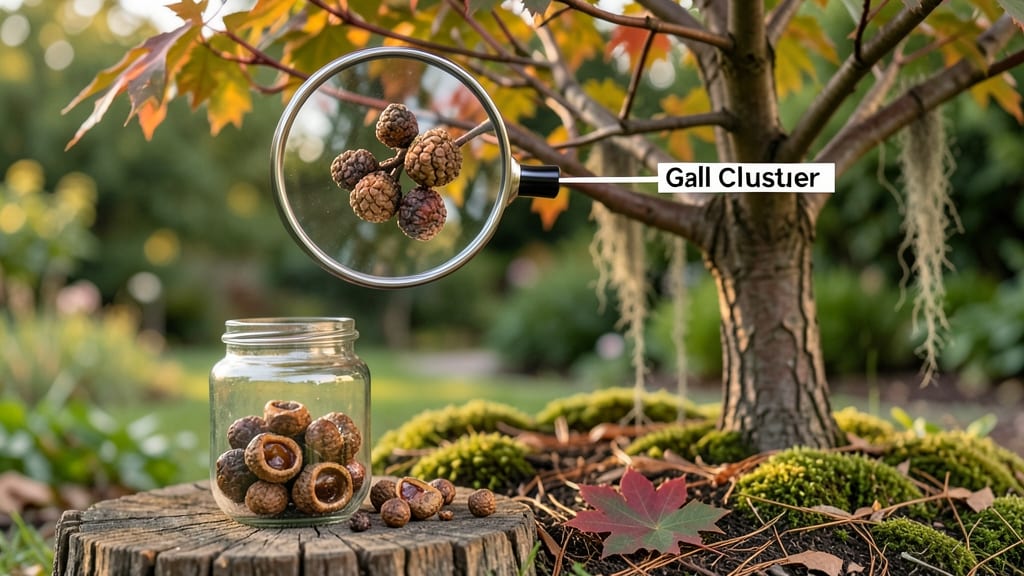
Those lumpy growths on your maple tree branches aren’t just unsightly—they’re maple tree galls, and removing them the right way keeps your tree healthy and strong. 🌿 I’ve spent years dealing with these odd-looking bumps, and the key is knowing when to prune them out versus leaving them alone.
Most galls are harmless, but some can stress your tree or attract pests if left unchecked. The culprits behind these growths are usually tiny insects like maple gall midges or mites, though fungi can create similar-looking bumps. The good news?
Pruning them out in late winter or early spring—when the tree is dormant—is the simplest fix. Just sterilize your pruners first to avoid spreading anything harmful. What you’ll end up with is a cleaner-looking tree that’s less stressed and better able to focus on new growth.
The pruning process is straightforward, and I’ll walk you through exactly how to do it safely without damaging the tree. This method works for all maple varieties, whether you’ve got a young sapling or a mature shade tree. Let’s get those branches looking their best!
Root Causes Of Tree Growth Abnormalities
When maple trees develop unsightly galls—those swollen, often knobby growths on branches or stems—it’s rarely a sign of poor care. Instead, these deformities are usually the result of complex biological interactions between the tree and tiny, often invisible, instigators.
Understanding why these galls form is the first step to managing them effectively. Here’s a breakdown of the key culprits and their science-backed mechanisms:
Most maple tree galls are triggered by gall-forming insects, particularly in the order Hymenoptera (wasps, sawflies, and bees). These insects don’t just randomly attack—they release specialized chemicals that manipulate the tree’s natural growth hormones. Here’s how it works:
- Hormonal Hijacking: Female insects inject saliva containing auxins and cytokinins—plant hormones that normally regulate growth—into the tree’s tissue. These hormones trigger rapid, uncontrolled cell division, forming the gall as a protective "nursery" for the insect’s larvae.
- Species-Specific Galls: Different insects create distinct gall shapes. For example:
- Andricus quercusfolii (a wasp) produces round, oak-like galls on maple branches.
- Cynips species create woolly, cottony galls filled with larvae.
- Nutrient Source: The gall provides a nutrient-rich environment for the developing larvae, which feed on the modified plant tissue until they pupate and emerge as adults.
💡 Pro Tip: Galls from insects are usually harmless to the tree’s long-term health. They’re more of a cosmetic issue, but severe infestations can weaken branches over time.
While less common than insect-induced galls, pathogenic fungi and bacteria can also cause abnormal growths. These microbes exploit wounds or stress points on the tree to establish infections:
| Cause | Mechanism | Visual Clues |
|---|---|---|
| Taphrina fungi | Fungi release enzymes that disrupt cell walls, causing hyperplasia (excessive cell growth) in response to infection. | Bright orange or yellowish, powdery galls on leaves or twigs. |
| Bacterial gall (e.g., Pseudomonas syringae) | Bacteria inject effectors that mimic plant growth hormones, leading to tumor-like growths. | Water-soaked, spongy galls that may ooze sap or rot over time. |
| Nectria canker fungus | Invades through pruning wounds, causing sunken, crusty galls with pinkish spores. | Dark, cracked bark with orange-red spore masses. |
⚠️ Warning: Fungal or bacterial galls can spread and weaken the tree if left unchecked. Unlike insect galls, these often require treatment (e.g., pruning infected branches, applying fungicides).
Not all galls are caused by living organisms. Sometimes, environmental factors push maple trees into producing abnormal growths as a survival mechanism:
- Physical Damage: Hail, animal scratches, or mechanical injuries can trigger callus growth—a woody, gall-like response to seal the wound. These are typically rough and irregular.
- Nutrient Imbalances: Excess nitrogen or phosphorus in the soil can cause fasciation, where stems flatten and fuse into ribbon-like galls. This is more common in over-fertilized or stressed trees.
- Extreme Temperatures: Freeze-thaw cycles or heat stress can disrupt cell division, leading to corky galls on branches.
🌡️ Key Insight: Environmentally caused galls are usually not contagious and may resolve on their own if the underlying stress is addressed (e.g., adjusting fertilizer, protecting from hail).
Now that you know the why, the next step is identifying the specific type of gall affecting your maple tree—and how to address it. Stay tuned for actionable removal and prevention strategies!
Treat and Prevent Maple Tree Growths
Dealing with unsightly or problematic growths on your maple tree? The good news is that most cases can be managed with targeted care—whether you’re pruning away blemishes, adjusting care routines, or preventing future issues.
Below, we’ll break down practical solutions based on the most common causes, from fungal infections to insect activity, along with prevention tips to keep your tree thriving.
If your maple tree’s growths are caused by fungal or bacterial infections (like Taphrina or Nectria), act quickly to stop the spread.
🔥 Prune Out Infected Areas
- Identify the gall: Look for swollen, discolored, or oozing growths—these are often fungal hotspots.
- Sterilize your tools: Wipe pruners with 70% isopropyl alcohol or a 10% bleach solution to avoid cross-contamination.
- Cut 6–12 inches below the gall: Remove the entire affected branch or limb, including a few inches of healthy tissue. This prevents spores from lingering.
- Dispose of debris properly: Bag and trash infected clippings—do not compost them.
🌡️ Apply Fungicide (If Needed)
- For severe cases, use a copper-based fungicide (like Bordeaux mixture) or a systemic fungicide (e.g., myclobutanil).
- Best time to treat: Early spring or after pruning, when the tree is actively growing.
- Pro tip ⚠️: Avoid fungicides if the gall is insect-related—overuse can harm beneficial insects.
🌿 Prevent Future Fungal Spread
- Improve air circulation: Thin out dense foliage to reduce humidity around the tree.
- Water at the base: Avoid overhead sprinkling, which can spread spores.
- Clean up fallen leaves: Remove leaf litter where fungi may overwinter.
Galls caused by wasps, aphids, or mites require a different approach—focus on eliminating the pests while protecting the tree.
👨🍳 Drown or Trap Gall-Makers
- For wasp galls (e.g., Callirhytis spp.):
- Set up traps: Use pheromone traps or yellow sticky traps to catch adult wasps in late spring.
🔪 Prune Heavily Infested Branches
- If a branch is heavily covered in galls, cut it back to a healthy bud or lateral branch.
- Seal pruning wounds with pruning sealant (optional for maples, but helps in wet climates).
🛡️ Prevent Insect Recurrence
- Encourage natural predators: Ladybugs and lacewings eat aphids—plant neighboring flowers to attract them.
- Avoid over-fertilizing: Excess nitrogen attracts soft-bodied pests like aphids.
- Monitor early spring: Check for tiny eggs or new galls in March–April and treat promptly.
If galls appear due to poor soil, drought, or nutrient deficiencies, focus on revitalizing the tree’s health.
💡 Test and Amend Soil
- Conduct a soil test: Check pH and nutrient levels (ideal for maples: slightly acidic, pH 6.0–7.0).
- Add organic matter: Mix in compost or aged manure to improve drainage and fertility.
- Mulch properly: Apply 2–4 inches of mulch (wood chips or bark) 3 inches away from the trunk to retain moisture.
🌧️ Adjust Watering Practices
- Deep water 1–2 times per week (1 inch per week) during dry spells.
- Avoid soggy soil: Maple trees hate "wet feet"—ensure proper drainage.
- Pro tip 💧: Drip irrigation is better than sprinklers to keep foliage dry.
🌟 Boost Tree Vitality
- Fertilize in early spring with a balanced, slow-release fertilizer (e.g., 10-10-10).
- Prune for sunlight: Thin the canopy to allow even light penetration, reducing stress spots.
Keep your maple tree gall-free with these year-round habits:
- Inspect trees biweekly in spring/summer for early signs of galls.
- Sanitize tools after pruning to prevent disease spread.
- Avoid wounding bark when pruning—use clean, sharp cuts.
- Support tree health: Maples are resilient, but stress = more galls—prioritize proper care!
Remember: Most galls are cosmetic and won’t kill the tree, but removing them early keeps your maple looking its best and prevents further damage. With the right approach, your tree can bounce back stronger! 🌳💪
Frequently asked questions
Are maple tree galls harmful to my tree’s health?
Most galls caused by insects are harmless and only cosmetic. They rarely kill the tree, though severe infestations can weaken branches over time. Fungal or bacterial galls are more concerning—they can spread and cause long-term damage if left untreated. Always check for oozing, discoloration, or rot to identify problematic growths.
When is the best time to prune out maple tree galls?
Late winter or early spring—when the tree is still dormant—is ideal for pruning. This timing minimizes stress on the tree and prevents sap flow. Avoid pruning in fall, as wounds may not heal properly before winter. For fungal galls, prune in dry weather to reduce spore spread.
Can I use homemade remedies to treat maple tree galls?
For insect-related galls, a strong spray of water or horticultural oil can help dislodge pests. For fungal galls, a homemade baking soda spray (1 teaspoon baking soda + 1 quart water + a drop of dish soap) may offer mild relief, but severe cases need copper-based fungicides. Always test remedies on a small area first.
Will removing galls attract more pests to my maple tree?
Not if you sterilize your tools first! Wipe pruners with 70% isopropyl alcohol or a 10% bleach solution before and after pruning to prevent spreading pathogens or insect eggs. Proper sanitation is key—especially when dealing with fungal galls or wasp-infested branches.
How can I tell if a gall is from insects vs. fungi?
Insect galls are usually firm, woody, and often hairy or cottony (like those from wasps or mites). Fungal galls are softer, may ooze sap, and often appear powdery or discolored (e.g., orange or yellow). Check for tiny holes or larvae inside—if you see them, it’s likely insect-related.