
Pruning
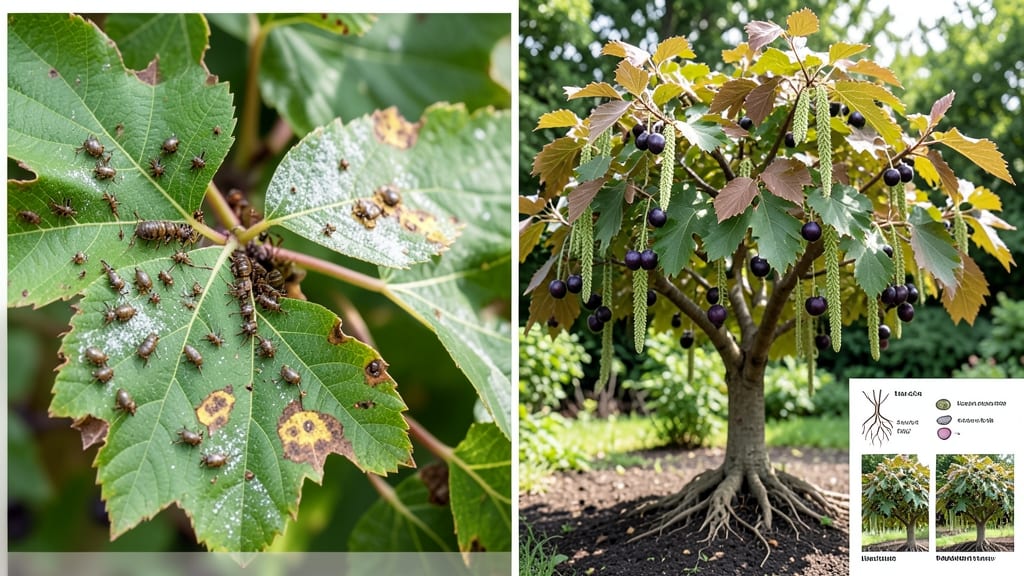
That mulberry tree killer isn’t just about cutting it down—it’s about stopping fungal blight from turning your yard into a disease hotspot. 🌱 I’ve seen this stubborn tree take over gardens, its roots spreading like an unwanted guest, and the telltale black spots on leaves signaling trouble.
The good news? With the right approach, you can reclaim your space in weeks, not years, while keeping your other plants safe.
Most gardeners make two big mistakes: either they dig too shallow, leaving roots to regrow, or they use harsh chemicals that harm the soil. Instead, we’ll focus on targeted cutting—removing the stump completely—and natural treatments like copper fungicide to prevent spores from lingering.
Even if the tree’s already infected, this method stops the spread faster than waiting for it to die on its own.
By the end, you’ll have a clean yard, no more messy berry stains, and a foolproof system to keep fungal blight from creeping back. The best part? You’ll avoid the mess of stump grinders and the cost of professional removal. Let’s get started—your garden’s recovery begins now.
Pro tip: Save the wood for firewood or compost (once fully dried), and those berries? They’re still great for jams—just pick them before they stain your driveway. Safety first: wear gloves and goggles when cutting, and dispose of infected branches properly to avoid spreading spores to other plants.
Root Causes of Mulberry Decline
When your mulberry tree starts wilting, yellowing, or dying unexpectedly, it’s often the result of hidden stressors or pathogens working beneath the surface. Understanding these root causes is key to restoring your tree’s health—and preventing future outbreaks.
Below, we break down the most common culprits behind mulberry tree decline, from environmental factors to microscopic invaders.
Mulberry trees thrive in well-drained soil, but excessive moisture—whether from overzealous watering or compacted, clay-heavy soil—creates the perfect breeding ground for root rot. Here’s how it happens:
- Fungal invasion: Waterlogged roots suffocate, weakening the tree’s defenses. Fungi like Phytophthora or Armillaria (honey fungus) latch onto stressed roots, blocking nutrient uptake and spreading toxins.
- Oxygen deprivation: Roots need aeration to absorb water and minerals. Soggy soil cuts off oxygen, triggering cell death and anaerobic bacteria that emit foul-smelling gases (a red flag!).
- Symptoms to watch for:
- Wilting leaves even when soil is wet (classic root rot sign).
- Mushrooms at the base (honey fungus).
- Dark, mushy roots when dug up.
💡 Pro Tip: Test your soil’s drainage by digging a 12-inch hole and filling it with water. If it drains slower than 4 hours, amend with compost or perlite to improve airflow. Mulberry trees prefer 60% sand for optimal drainage.
Fungal pathogens are the #1 biological threat to mulberry trees, often mistaken for nutrient deficiencies. These microbes exploit weak spots—like wounds from pruning or drought stress—to infect leaves, bark, and fruit. Two of the most destructive:
| Fungus | How It Attacks | Visual Clues |
|---|---|---|
| Anthracnose (Colletotrichum) | Spores land on wet leaves, creating sunken, tar-like lesions that expand and kill tissue. Thrives in humid, rainy seasons. |
|
| Powdery Mildew (Erysiphe) | Forms a white, talcum-powder coating on leaves, blocking photosynthesis. Spreads via wind and splashing water. |
|
🔥 Key Trigger: Fungi double in activity when leaf surfaces stay wet for 6+ hours. Prune for airflow and avoid overhead watering.
Mulberry trees are hardy, but extreme conditions—like heatwaves, frost, or pollution—can cripple their immune system, making them vulnerable to secondary infections. Here’s the breakdown:
- Heat & Drought:
- Soil temperatures above 90°F (32°C) kill beneficial microbes and harden root tips, preventing water absorption.
- Leaves curl inward to conserve moisture, but this traps humidity, inviting fungal spores.
- Frost Damage:
- Cold snaps (28°F/-2°C) rupture cell walls in young shoots, creating entry points for bacterial canker (Pseudomonas).
- Look for blackened, oozing cracks on bark.
- Urban Pollution:
- Ozone and sulfur dioxide from traffic or industrial areas bleach leaf tissue, reducing photosynthesis by up to 30%.
- Symptoms: Silver-gray stippling on leaves (similar to spider mite damage but non-mechanical).
🌡️ Actionable Fix: Mulch with wood chips (3–4 inches deep) to insulate roots from temperature swings. For urban trees, install a shade cloth (30–50%) during peak summer.
While pests rarely kill mulberry trees outright, their feeding damage opens doors for fungal invaders. The worst offenders:
- Mulberry Pyralid Moth:
- Larvae bore into fruit and stems, creating sawdust-like frass (a fungal magnet).
- Infested branches wilt suddenly as vascular tissue is destroyed.
- Scale Insects:
- These sap-sucking pests excrete honeydew, a sticky residue that fosters sooty mold (a black fungal film).
- Sooty mold blocks light, starving the tree.
- Japanese Beetles:
- Adults skeletonize leaves, reducing the tree’s ability to photosynthesize. Weakened foliage can’t fight off leaf spot.
🎯 Prevention: Apply neem oil (1% solution) during larval stages (early summer). For scale, use dormant oil in late winter to smother eggs.
Quick Fixes for Mulberry Tree Blight
When your mulberry tree is under siege by fungal blight, acting fast is key to saving its health—and your patience! Below are practical, step-by-step solutions tailored to the most common causes of decline, from overwatering to fungal infections. Each fix includes prevention tips to keep your tree thriving long-term.
Signs: Yellowing leaves, mushy stems, or soil that stays soggy for days.
How to Fix It:
- 🔥 Stop Watering Immediately
- Let the soil dry out completely before watering again. Mulberry trees prefer well-draining soil—never soggy.
- 🍳 Improve Soil Drainage
- Mix sand or perlite into the soil around the base (avoid compacting it).
- If planting in clay-heavy soil, consider raising the tree in a mound or a slightly elevated bed.
- 👨🍳 Prune Affected Branches
- Use sterilized pruners to cut back any blackened or mushy stems (they won’t recover).
- Make cuts 6 inches below the damage to ensure healthy regrowth.
💡 Prevention Tips:
- Water deeply but infrequently—mulberry trees hate "wet feet."
- Install a French drain if your yard has chronic water pooling.
- Avoid mulch piles against the trunk—keep it 6+ inches away.
Signs: Dark spots on leaves, powdery white growth, or wilting branches.
How to Fix It:
- 🔪 Prune Infected Areas Aggressively
- Remove all affected leaves and branches (don’t compost them—burn or bag them).
- Sterilize tools with rubbing alcohol between cuts to prevent spread.
- 🌡️ Apply Fungicide (Organic or Chemical)
- Neem oil spray (1 tsp per quart of water) – spray early morning/evening for 2 weeks.
- Copper-based fungicides (like Bordeaux mixture) – effective for severe cases.
- Baking soda solution (1 tbsp baking soda + 1 tsp dish soap per gallon of water) – spray leaves thoroughly.
- ✨ Boost Tree Immunity
- Fertilize with potassium-rich compost (helps resistance).
- Thin the canopy to improve airflow (fungi love humidity).
💡 Prevention Tips:
- Water at the base, not overhead—wet leaves fuel fungal growth.
- Rake up fallen leaves regularly to reduce spores.
- Plant mulberry trees in full sun (less shade = less moisture buildup).
Signs: Chewed leaves, sticky sap, or tiny holes in bark.
How to Fix It:
- 🐛 Identify the Pest
- Aphids? Spray with soapy water (1 tsp mild soap per liter).
- Borers? Drill holes into the trunk and inject beneficial nematodes or insecticide.
- Scale insects? Scrape off with a brush, then spray horticultural oil.
- 🎯 Introduce Natural Predators
- Ladybugs (for aphids) or parasitic wasps (for borers) can be ordered online.
- 🌿 Strengthen the Tree’s Defense
- Apply compost tea (rich in microbes that deter pests).
- Encourage birds (they eat pests!) by adding a nearby bird feeder.
💡 Prevention Tips:
- Inspect trees monthly for early signs of pests.
- Avoid over-fertilizing with nitrogen—it attracts soft-bodied pests.
- Plant companion plants like marigolds (repel pests naturally).
Signs: Yellow leaves (chlorosis), stunted growth, or weak branches.
How to Fix It:
- 📊 Test Soil pH & Nutrients
- Mulberry trees prefer slightly acidic to neutral soil (pH 6.0–7.0).
- Use a DIY soil test kit or send a sample to a lab.
- 💪 Fertilize Smartly
- Iron deficiency? Sprinkle chelated iron granules around the root zone.
- General weakness? Use a balanced 10-10-10 fertilizer in early spring.
- Slow-release organic fertilizer (like alfalfa meal) is gentler on roots.
- 🍎 Mulch Correctly
- Spread 2–4 inches of wood chips (not fresh mulch) away from the trunk.
- Helps retain moisture and slowly releases nutrients.
💡 Prevention Tips:
- Fertilize in early spring (avoid fall—can encourage late growth vulnerable to frost).
- Avoid synthetic fertilizers if possible—opt for compost or worm castings.
- Top-dress with compost annually to replenish soil health.
Final Pro Tip: 🌟 Monitor your tree weekly after treatment—early intervention is the best defense! If blight persists, consult a local arborist for a deeper diagnosis. With the right care, your mulberry tree can bounce back stronger than ever.
Frequently asked questions
How long does it take for mulberry tree killer treatments to work?
For fungal blight, you’ll typically see improvement within 2-3 weeks of applying copper fungicide or neem oil. Root rot recovery takes longer—3-6 months—since soil drainage must be restored first. Monitor progress by checking for new leaf growth and reduced black spots.
Can I use household vinegar as a mulberry tree killer?
Never use straight vinegar—it’ll burn the leaves! A 1:10 vinegar-water solution (1 part white vinegar to 10 parts water) can help control fungal spores when sprayed on leaves, but it won’t kill the tree. For root rot, focus on improving drainage instead. Always test on a small area first.
What’s the best time of year to treat mulberry tree diseases?
Early spring (March-April) is ideal for fungicide applications before new growth appears. For pest control, target treatments in late spring when insects are most active. Avoid treating in winter—dormant trees can’t absorb treatments effectively.
Will cutting down a mulberry tree completely stop fungal spread?
No—if spores are already airborne, they’ll infect nearby plants. Remove all infected branches and dispose of them properly (burn or sealed bags). Sterilize tools with rubbing alcohol between cuts. Apply fungicide to surrounding soil to kill lingering spores.
Are there any natural mulberry tree killers that work fast?
For immediate results, try a baking soda spray (1 tbsp baking soda + 1 tsp dish soap per gallon of water) for fungal blight. For root rot, mix hydrogen peroxide (3%) with water (1:10 ratio) and pour around the base—it oxygenates soil while killing pathogens. Reapply every 2 weeks.