
Trees
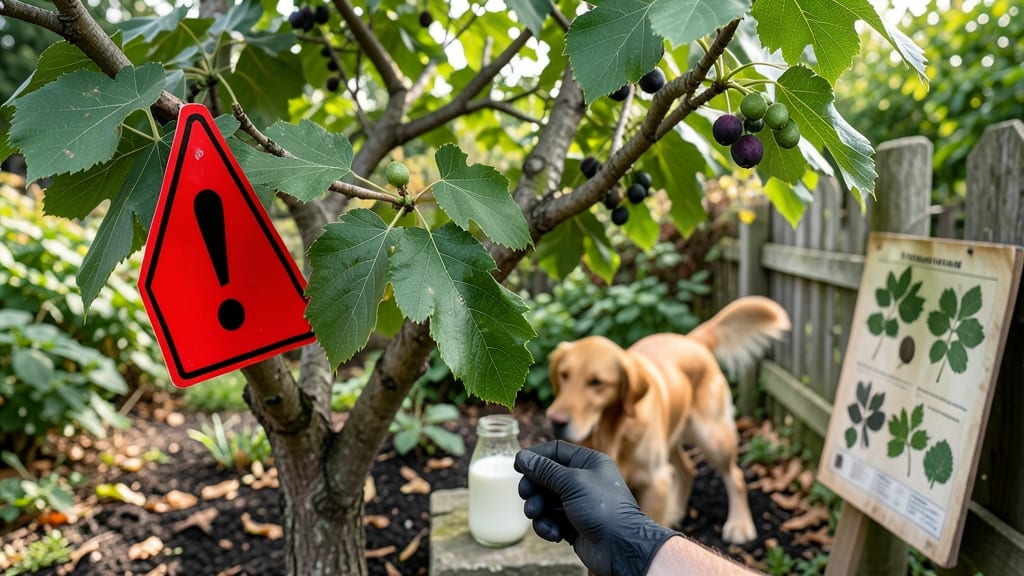
Mulberry tree leaves are poisonous to humans and pets, containing toxic compounds like morusin and kuwanon G that cause nausea, vomiting, and diarrhea. Avoid consuming raw leaves or sap, and keep pets away from fallen foliage.
Mulberry leaves contain harmful alkaloids and cyanogenic glycosides that can trigger severe digestive distress when ingested. 🌿 The white mulberry variety is particularly dangerous, as its leaves pack higher concentrations of toxins than red mulberry.
Even small amounts can cause dizziness, weakness, or—rarely—more serious complications like liver strain. Pets, especially curious dogs and cats, are at high risk from fallen leaves, so garden cleanup is critical after storms.
While the fruit is safe (and delicious) when fully ripe, unripe berries and all parts of the tree outside the pulp remain hazardous. This dual nature makes mulberry trees popular in landscaping, but vigilance is key—especially around children or animals.
Always supervise outdoor play near these trees, and consider wearing gloves when handling leaves during pruning.
💡 In This Article
- Toxic Compounds in Mulberry Leaves and Their Health Risks
- Safe Handling and Mulberry Tree Care for Gardens
Toxic compounds in mulberry leaves and their health risks
The primary toxins in mulberry leaves are morusin and kuwanon G, two compounds belonging to the prenylated flavonoid family. These chemicals act as natural pesticides for the tree, deterring herbivores by disrupting cellular functions in mammals.
Morusin, for example, inhibits cyclooxygenase enzymes (similar to aspirin but far more potent), triggering inflammation and gastrointestinal distress. Studies show even 10-20 grams of fresh leaves can cause symptoms in adults, while pets may react to much smaller amounts due to their lower body weight.
The toxicity varies significantly between species. White mulberry leaves contain 2-3 times more morusin than red mulberry leaves, making them particularly dangerous. Red mulberry leaves still pose risks but are generally 30-40% less toxic.
The sap also contains hydrocyanic acid (cyanide precursor), which releases when leaves are crushed or chewed.
This explains why pets often experience symptoms like drooling or pawing at their mouths after contact with fallen foliage. 🌿 The combination of these compounds creates a toxic cocktail that can overwhelm the liver's detoxification pathways.
Health effects typically manifest within 30 minutes to 2 hours of ingestion, starting with nausea and vomiting, followed by diarrhea and abdominal cramps. In severe cases, the toxins can cause liver strain or neurological symptoms like dizziness and weakness.
Children and small pets are especially vulnerable because their digestive systems are less efficient at processing toxins. The good news? Mulberry fruit loses its toxicity as it ripens, with the pulp becoming safe for consumption—this is why some cultures use ripe berries in jams or teas without issue.
What makes this toxicity particularly insidious is how the compounds work synergistically. Morusin disrupts cell membranes in the digestive tract, while kuwanon G interferes with mitochondrial function, creating a double threat to cellular energy production. This explains why symptoms often persist longer than typical food poisoning cases.
The tree's defense mechanism is so effective that even dried leaves retain significant toxicity, making them dangerous in compost piles or mulch where pets might dig through them.
Interestingly, these same compounds have been studied for potential medicinal uses in low, controlled doses. Morusin, for instance, shows anti-inflammatory properties in lab settings, but the doses required for therapeutic benefits are far below those that would cause harm.
This dual nature highlights the importance of proper identification—never assume a mulberry tree is safe just because it looks familiar. Always verify the species before assuming any part of the tree is edible.