
Pruning
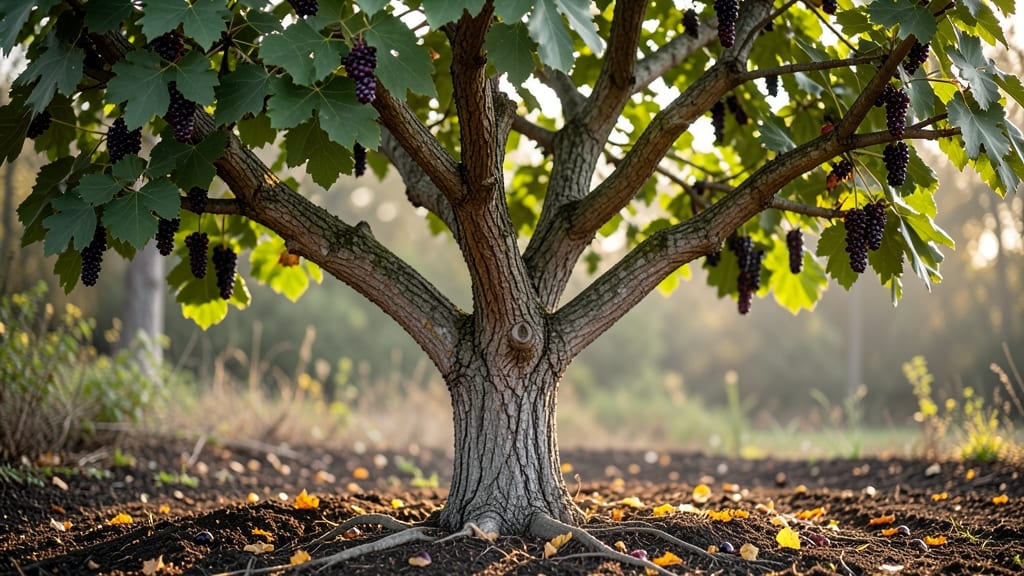
A mature mulberry tree 🌳 can tower over your yard, offering shade and fruit—but only if you prune it right. Without proper care, those towering branches become tangled messes that choke productivity and invite pests.
Your mulberry tree could be producing twice the fruit—and lasting decades longer—if you prune it correctly. But timing, technique, and seasonal care make all the difference between a thriving canopy and a struggling one.
Most gardeners skip pruning until it’s too late, missing the best time to shape the tree for maximum fruit. I’ll walk you through the seasonal schedule, from winter cuts that boost next year’s harvest to summer trims that keep the tree healthy.
You’ll also learn how to spot common mistakes—like over-pruning or cutting at the wrong time—that can kill fruit yield. Whether you’ve got a white mulberry, black mulberry, or a hybrid, these tips will keep your tree thriving for years.

When and how to prune a mature mulberry tree for maximum fruit
Pruning your mature mulberry tree isn’t just about shaping its branches—it’s the key to unlocking bigger fruit yields and extending its lifespan. Unlike many fruit trees, mulberries thrive when pruned to an open-center structure, allowing sunlight to penetrate deep into the canopy.
But timing matters: prune too late, and you risk reduced fruit set; prune too early, and you may stress the tree before its spring growth surge. Let’s break down the seasonal schedule and techniques that will transform your mulberry from a struggling underperformer into a fruit-bearing powerhouse.
A two-season pruning approach works best for mulberries: winter pruning (dormant season) for structural work, and summer pruning (post-harvest) to refine shape and encourage next year’s fruit. The goal? Maintain an open vase shape—this isn’t just for aesthetics.
It ensures even sunlight exposure, which directly impacts berry size and sweetness. Skip this, and you’ll end up with small, tart berries clustered at the edges while the center remains barren. Let’s dive into the step-by-step process that will give your tree the care it deserves.
Step-by-Step Pruning Guide for Mature Mulberry Trees
-
1Winter Pruning (Late Winter/Early Spring)
Timing: February–March (before buds swell)
- Remove dead, diseased, or crossing branches first—these compete for resources.
- Cut back overlapping branches to open the center, aiming for a vase-like shape.
- Prune suckers and water sprouts at the base to redirect energy to fruit production.
-
2Summer Pruning (Post-Harvest)
Timing: July–August (after berries are harvested)
- Trim excessive new growth to maintain the open center—this prevents shade stress.
- Remove weak or spindly branches that won’t support fruit well.
- Thin out overcrowded clusters to improve air circulation and reduce berry rot.
-
3Open-Center Technique
Goal: Sunlight penetration to the center
- Target a 30–40% reduction in center density—this isn’t aggressive pruning!
- Leave scaffold branches (main structural limbs) uncut; focus on secondary branches.
- Use hand pruners for branches ½-inch thick; a pruning saw for thicker cuts.
-
4Cutting Best Practices
Tools & Technique
- Make cuts just outside the branch collar (the swollen area where the branch meets the trunk).
- Sterilize tools with rubbing alcohol between cuts to prevent bacterial spread.
- Avoid topping the tree—this stunts growth and reduces fruit quality.
One of the biggest mistakes I see with mulberry pruning is over-pruning in spring, which delays fruit production. Mulberries are late bloomers, and cutting too aggressively in early spring can leave them struggling to recover before their June–July flowering period.
Instead, focus on light structural adjustments in winter and corrective pruning in summer. This two-phase approach ensures your tree has the energy to bloom abundantly and bear fruit without sacrificing its long-term health.
Here’s a pro tip: Label your cuts if you’re unsure which branches to remove. Use colored tape or flags to mark branches for removal—this helps you visualize the open-center shape before making any irreversible cuts.
I’ve seen gardeners hesitate to prune mulberries because they fear losing fruit, but the opposite is true. A well-pruned mulberry can produce up to 50% more berries than an unpruned one, thanks to improved sunlight and air flow.
After pruning, your mulberry will need extra care to recover. Water deeply once a week for the first month post-pruning, and apply a balanced fertilizer (10-10-10) in early spring to support new growth.
Avoid heavy fertilizers in summer, as they can stimulate late-season growth that’s vulnerable to frost. Instead, focus on mulching around the base to retain moisture and regulate soil temperature.
If your mulberry is over 20 feet tall, consider using a pole saw or extendable pruners to reach high branches safely. Never climb the tree—mulberries are heavy and top-heavy, making them prone to tipping over.
For very large trees, hire a professional arborist to handle the upper canopy while you focus on the lower branches and ground-level pruning. Safety first, especially with a tree that can grow 60 feet tall!
Watch for new suckers sprouting from the base or roots after pruning
Common mulberry tree pruning mistakes that kill fruit yield
If your mature mulberry tree isn’t producing as much fruit as you’d expect, pruning mistakes might be the culprit. Many gardeners accidentally over-prune or cut at the wrong time, which stresses the tree and reduces berry production.
Even neglecting pruning entirely can lead to dense canopies that block sunlight and air flow, harming fruit quality. The key is balancing tree health with fruit yield—and avoiding these common pitfalls.
One of the biggest mistakes is pruning in late summer or fall. This encourages new growth that won’t harden off before winter, leaving branches vulnerable to frost damage. Another frequent error is removing too many branches at once, which weakens the tree’s ability to support fruit clusters.
Even well-meaning gardeners sometimes ignore deadwood removal, allowing disease to spread unchecked. Let’s dive into how these mistakes harm your tree—and how to fix them.
Removing more than 25% of the canopy in a single session can shock your mulberry tree, reducing next year’s fruit by up to 50%. Mulberries rely on last year’s growth for fruit production—aggressive cuts remove potential berry-bearing branches. Even dwarf varieties need gentle pruning to maintain structure.
Timing is everything when pruning mulberries. The best time to prune is late winter or early spring, just before buds swell but before new growth starts. This allows the tree to heal quickly and direct energy into fruit production.
If you’ve been pruning at the wrong time, don’t panic—focus on correcting the schedule next year. For example, if you’ve been cutting in summer, shift to winter pruning and avoid any major cuts until then.
Another critical mistake is pruning incorrectly shaped branches. Mulberries thrive with an open-center form, which allows sunlight to reach the center where fruit develops. If you’ve been topping the tree (cutting the main stem flat), you’ve likely created a dense, shaded canopy.
To fix this, selectively remove inward-growing branches and thin the center to let light penetrate. This simple adjustment can double fruit production in just one season.
Neglecting to remove dead or diseased wood is another silent killer of mulberry fruit yield. Dead branches waste energy and provide entry points for pests like borers or fungal infections.
If your tree has cankers or holes, prioritize removing those branches first—even if it means making a few cuts outside the ideal window. After removal, sterilize your pruners with rubbing alcohol to prevent spreading disease to healthy branches.
Finally, many gardeners make the error of pruning too lightly. A mulberry tree needs regular maintenance to stay productive. If you’ve been skipping pruning entirely, start with a light structural prune this winter, focusing on removing crossing branches and shaping the canopy.
Over the next few years, gradually thin out the interior to improve air circulation and sunlight exposure—this will boost both fruit size and quantity.
Remember, mulberries are forgiving trees, and even past pruning mistakes can be corrected with patience. Focus on seasonal timing, selective cuts, and disease prevention, and you’ll see a noticeable improvement in fruit yield within two growing seasons.
With the right approach, your mature mulberry could become your garden’s most productive—and longest-lived—asset. 🌳✂️🍇