
Orchid Care
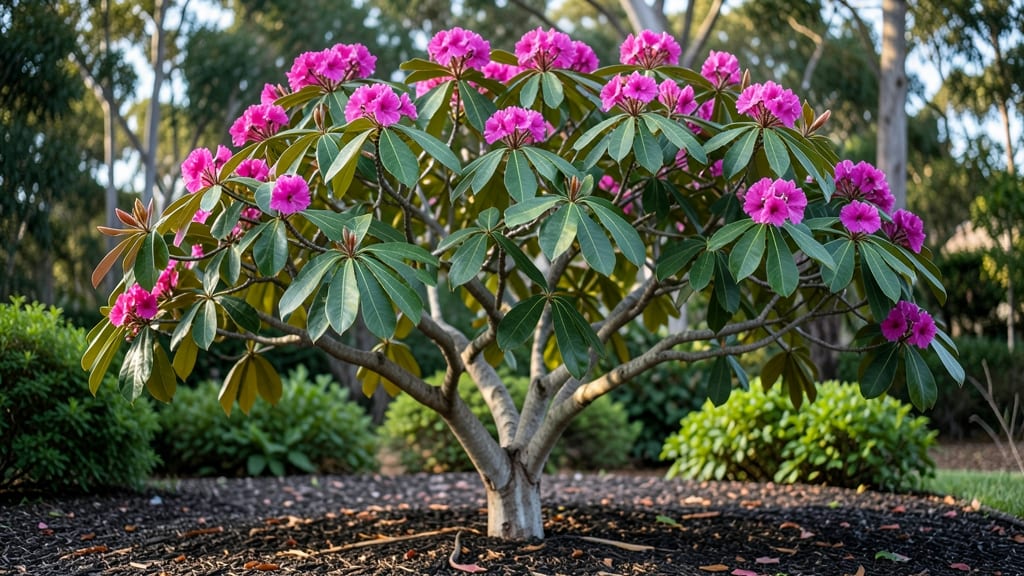
Yellowing orchid tree leaves don’t mean your plant is doomed—it’s often just a cry for help. 🌿 I’ve nursed back more than a few of these tropical beauties, and the fix usually comes down to three straightforward checks: water, light, and hidden pests lurking on the undersides of those glossy leaves.
Start by examining the leaves up close: yellowing with crisp edges? Likely underwatered. Soft, mushy spots? Overwatering or fungal trouble. Tiny black dots? Spider mites are probably sucking the life out of your plant.
Most fixes take less than 10 minutes—just a spray bottle, a damp cloth, and maybe a dose of neem oil for stubborn pests.
📚 In This Guide
- What you need
- Instructions
- Tips and common mistakes
- Wrapping up and next steps
What you need
- ● Pruning shears or clean, sharp scissors – sterilized with rubbing alcohol to prevent disease spread.
- ● Well-draining potting mix – Specifically formulated for orchids or a blend of 60% bark, 20% perlite, and 20% charcoal. (Approx. 1-2 gallons depending on pot size.)
- ○ Balanced, water-soluble fertilizer – 20-20-20 NPK ratio, diluted to half-strength. (Optional: orchid-specific fertilizer for better results.)
- ● Spray bottle with distilled water – For gentle hydration without over-saturating roots.
- ● New orchid tree pot – Ensure it has drainage holes and is slightly larger than the current pot (1-2 inches wider).
- ○ Gloves (optional but recommended) – To protect hands from sap and sharp edges.
- ● Rooting hormone gel – For encouraging faster regrowth if pruning heavily.
- ● Fungicide spray – Preventative measure if leaves show signs of fungal infection.
- ● pH testing kit – To check soil acidity (ideal range: 5.5–6.5 for orchids).
- ● Misting fan or humidifier – If your home has dry air, orchid trees thrive in 40–70% humidity.
How to revive yellowing orchid tree leaves
Here's my go-to method for bringing orchid trees back to vibrant life—no complicated steps, just smart care.
💧 Step 1: Check and Adjust Watering Habits
Yellowing orchid tree leaves often signal overwatering or inconsistent moisture. Stick your finger 1-2 inches into the soil—if it feels damp, hold off on watering. Orchid trees prefer the soil to dry out slightly between waterings, especially in winter when growth slows. I water mine when the top inch feels dry to the touch, using room-temperature water to avoid shocking the roots.
Overwatering causes yellow leaves by suffocating roots, while underwatering stresses the plant. If the soil is bone-dry, soak the pot thoroughly until water drains from the bottom. Empty the saucer afterward to prevent root rot. You'll notice leaves perk up within 2-3 weeks of consistent moisture management.
☀️ Step 2: Optimize Light Exposure
Orchid trees thrive in bright, indirect light—too much direct sun scorches leaves, while too little causes them to yellow and drop. Place your plant near an east-facing window or a few feet from a south-facing one. If leaves turn yellow with brown spots, it’s too much sun; if they’re pale and sparse, it’s not enough light.
Rotate the pot a quarter turn weekly so the plant grows evenly. Artificial grow lights work well if natural light is limited—keep them 12-18 inches away for 12-14 hours daily. Watch for new growth in 4-6 weeks as a sign you’ve got the light right.
🌿 Step 3: Fertilize and Prune Strategically
Yellow leaves can also mean your orchid tree needs nutrients. Use a balanced, water-soluble fertilizer (like 20-20-20) diluted to half-strength every 4-6 weeks during spring and summer. Skip fertilizing in fall and winter when growth slows. I always fertilize after watering to prevent root burn.
Prune yellowed leaves at the base with clean, sharp scissors to redirect energy to healthy growth. Remove only the yellowed parts—never cut into green tissue. After pruning, wipe the leaves with a damp cloth to remove dust, which helps them absorb more light. You’ll see fresh, green leaves emerging within 2-3 weeks if the plant is otherwise healthy.
⏰ Step 4: Inspect for Pests and Disease
Check the undersides of leaves for pests like spider mites or scale, which can cause yellowing. Wipe leaves with a mix of 1 part rubbing alcohol and 3 parts water to remove pests manually. If infestations persist, use an insecticidal soap spray, but avoid harsh chemicals that stress the plant.
Fungal issues like root rot or leaf spot may also cause yellowing. If the soil smells sour or leaves have dark spots, repot the orchid tree in fresh, well-draining soil and trim any mushy roots. Let the plant recover in a shaded spot for 1-2 weeks before resuming normal care. Healthy roots are firm and white or light brown—discard any that are dark or mushy.
Tips & tricks for reviving orchid tree foliage
Here's what nobody tells you about bringing orchid trees back to life—these little details make all the difference.
Soil Test Tip: Before adjusting your watering routine in Step 1, grab a wooden chopstick and poke it into the soil about 2 inches deep. If it comes out clean, it's time to water. If it has moisture clinging to it, wait another day. Orchid trees are sensitive to soggy soil, and this quick test prevents overwatering better than any rule of thumb. The 2-3 week turnaround for improvement starts with getting this right from the beginning.
Light Rotation Hack: In Step 2, that weekly quarter-turn rotation isn't just about even growth—it's also a way to check for hidden pests. Flip the pot and examine the undersides of leaves you can't normally see. I've found spider mites hiding there more times than I can count, and catching them early means no more yellowing from their feeding. This simple habit doubles as both a growth and pest-prevention strategy.
Fertilizer Timing: When you're ready to fertilize in Step 3, remember this: the 4-6 week schedule assumes you're using a balanced fertilizer. If you're using a high-nitrogen formula (like 30-10-10), cut that to every 6-8 weeks—too much nitrogen causes yellowing just as surely as too little water. Always fertilize after watering to prevent root burn, and never fertilize stressed plants.
Pruning Precision: That 2-3 week window for new growth after pruning in Step 3 only applies if you're pruning correctly. Use clean, sharp scissors and make your cuts at a 45-degree angle just above a leaf node. If you cut too close or too far, you're essentially creating a wound that takes longer to heal. I keep a small bottle of rubbing alcohol with my pruning tools to sterilize them between cuts—it prevents infections that can cause more yellowing.
Pro Tips for Orchid Tree Leaves
- Here's what nobody tells you about bringing orchid trees back to life—these little details make all the difference.
- Soil Test Tip: Before adjusting your watering routine in Step 1, grab a wooden chopstick and poke it into the soil about 2 inches deep.
- Light Rotation Hack: In Step 2, that weekly quarter-turn rotation isn't just about even growth—it's also a way to check for hidden pests.
Frequently asked questions
Got questions about those orchid tree leaves? You’re not alone! Here are some common concerns—and quick fixes—to keep your tree thriving.
Why are my orchid tree leaves turning yellow?
Yellowing leaves often signal overwatering or poor drainage. Check the soil—if it’s soggy, cut back on watering and ensure the pot has drainage holes. Yellow edges? It might be underwatering or low humidity. Mist leaves lightly or use a pebble tray to boost moisture.
How often should I water my orchid tree?
Water when the top 1–2 inches of soil feel dry. Orchid trees prefer moderate moisture but hate soggy roots. In summer, water every 5–7 days; in winter, every 10–14 days. Always water at the base to avoid fungal issues on leaves.
Can I use orchid tree leaves in tea or cooking?
While some tropical leaves are edible, orchid tree (Bauhinia) leaves are toxic if ingested. They contain compounds that can cause stomach upset. Stick to admiring their beauty—no brewing or garnishing!
What’s the best way to revive drooping orchid tree leaves?
Drooping often means thirst or root stress. First, check soil moisture—water deeply if dry. If roots are mushy (rot), trim affected areas with sterilized scissors and repot in fresh, well-draining soil. Place in bright, indirect light for recovery.
Are there non-toxic alternatives to orchid tree leaves?
Yes! Try peace lily, spider plant, or Boston fern leaves for safe, decorative greenery. For orchid-like beauty without toxicity, Hoya carnosa (wax plant) or Philodendron are great picks. Just avoid anything labeled "toxic" or "poisonous" to pets/kids.
Wrapping up and next steps
Reviving your orchid tree’s yellowing leaves doesn’t have to be a mystery—just a few simple steps can bring back that lush, vibrant green! 🌿 Whether it’s adjusting watering habits, trimming dead foliage, or boosting nutrients, your orchid tree is already on the path to recovery.
With patience and care, you’ll soon see those leaves perking up and your plant thriving again.
Ready to take the next step? Monitor your orchid tree weekly to track progress and adjust care as needed. And if you loved these tips, share them with fellow plant parents—because happy plants make happy growers! 🌱