
Diseases
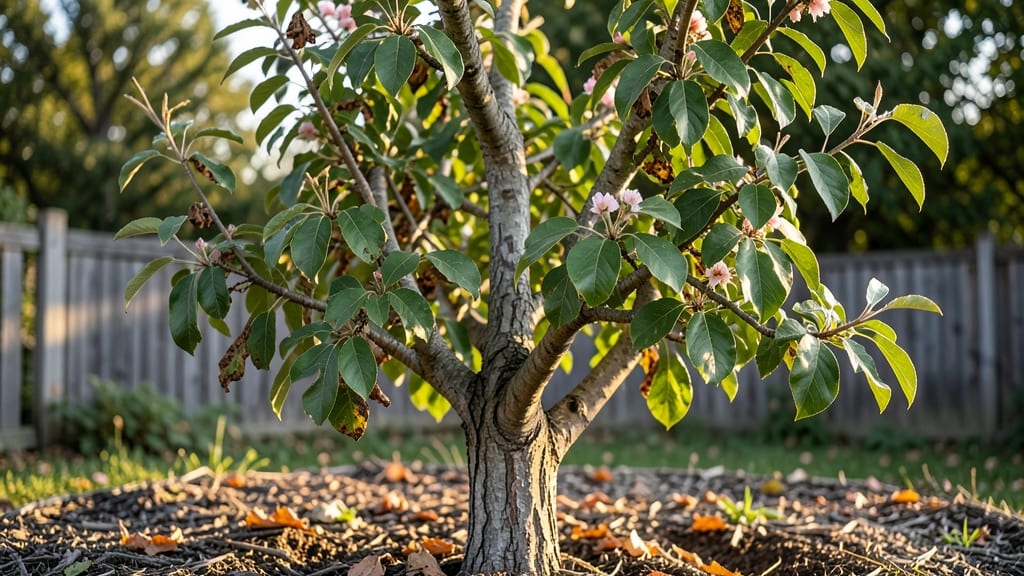
Peach tree diseases in leaves start with tiny brown spots that multiply like weeds if you ignore them. 🌿 I’ve watched my own trees go from lush and green to skeletal branches in just two seasons—until I learned to spot the early warning signs before they spread.
The key is acting fast, because once those spots turn yellow and the leaves start dropping, you’re fighting a losing battle.
Most peach leaf diseases—like brown rot or leaf spot—thrive in damp, warm conditions, so proper spacing and airflow between trees make all the difference. I now prune my trees in late winter to improve circulation, and I avoid overhead watering, which keeps the foliage dry.
The moment I see even a few spots, I grab my spray bottle and get to work before the whole canopy turns into a disease hotspot.
You’ll restore those leaves to vibrant green in no time with a mix of copper fungicide and neem oil, applied every 7–10 days until new growth appears. The secret? Consistency—one treatment won’t cut it.
I’ve seen trees bounce back completely when I catch the problem early, but neglected cases can weaken the tree so much it struggles to fruit the next season.
Prevention is easier than cleanup, so I spend 10 minutes every spring inspecting my trees for signs of trouble. If you’re in a humid climate, you’ll need to monitor even more closely—but trust me, a little vigilance now saves hours of work later. Let’s get those leaves healthy again.
Root Causes Behind Leaf Trouble
When your peach tree’s leaves start showing signs of distress—spots, wilting, discoloration, or premature drop—it’s rarely just bad luck. Behind every leaf issue lurks a mix of environmental stressors, microbial invaders, or cultural mismanagement.
Understanding why these problems arise is the first step to stopping them in their tracks. Below, we break down the most common culprits with science-backed explanations and actionable insights.
Fungi like Cladosporium, Monilinia, and Alternaria thrive when peach trees are stressed by excess moisture. Here’s how it happens:
- Overhead Irrigation: Watering leaves (instead of the soil) creates a damp film, giving fungi a perfect breeding ground. Monilinia fructicola, the brown rot fungus, spreads via splashing water or wind.
- Poor Air Circulation: Dense foliage or crowded trees trap humidity, slowing evaporation and prolonging leaf wetness—ideal for Alternaria leaf spot.
- Late-Season Rain: Warm, rainy falls (60–80°F) trigger Cladosporium leaf spot, causing dark, velvety patches. Fungal spores germinate within 24 hours of leaf wetness.
- Weakened Tree Defense: Nutrient deficiencies (especially potassium or zinc) or drought stress make leaves more susceptible to fungal colonization.
💡 Pro Tip: Use a rain gauge to monitor leaf wetness. Aim for <10 hours of leaf wetness per week—fungi need <12+ hours to infect.
Bacterial diseases like Xanthomonas (bacterial spot) or Pseudomonas (canker) enter through openings in the leaf surface. Here’s how they exploit your tree:
- Physical Damage: Hail, pruning cuts, or insect bites create entry points. Xanthomonas bacteria ooze from these wounds, forming water-soaked lesions.
- Contaminated Tools: Pruners or loppers carrying bacterial slime from infected trees spread pathogens to healthy ones. A single cut can inoculate a whole branch.
- Splashing Water: Rain or irrigation splashes bacterial cells from infected leaves onto fresh wounds, accelerating spread.
- High Humidity + Warmth: Bacteria multiply rapidly in temperatures 77–86°F with >90% humidity, turning small lesions into large, oozing cankers.
🔥 Warning: Xanthomonas can survive in plant debris for years. Remove and destroy infected leaves immediately.
Even without pathogens, harsh conditions weaken peach trees, making them prime targets. Common triggers include:
| Stressor | How It Harms Leaves | Disease Link |
|---|---|---|
| 🌞 Too Much Sun | Leaves scorch (brown edges), reducing photosynthesis and lowering disease resistance. | Alternaria exploits sun-stressed tissue. |
| 💧 Drought | Thin, brittle leaves crack easily, inviting fungal/bacterial entry. | Increases Monilinia susceptibility. |
| ❄️ Late Frost | Damaged buds and leaves fail to harden, leaving tissue vulnerable post-thaw. | Encourages Leucostoma canker. |
| 🌱 Competition | Grass/weeds steal nutrients, starving trees into poor health. | Weak trees can’t fight off Cladosporium. |
🎯 Action Step: Mulch with wood chips (2–4 inches deep) to retain moisture and regulate soil temp, reducing stress.
Insects like aphids, mites, and borers don’t just feed—they transmit pathogens and damage leaves, creating gateways for disease. Key offenders:
- Aphids: Inject toxins while feeding, weakening leaves. They also spread viral diseases like peach mosaic.
- Japanese Beetles: Skeletons leaves, reducing chlorophyll and inviting fungal growth on exposed tissue.
- Scale Insects: Honeydew secretions promote sooty mold (Capnodium), which blocks sunlight and stresses the tree.
- Peach Twig Borer: Larvae tunnel into branches, creating wounds where bacterial canker can establish.
🔪 Prevention: Apply neem oil or kaolin clay to deter pests. Prune out infested branches before adults emerge (spring).
How to Fix Peach Tree Leaf Issues
Now that you’ve identified the culprit behind your peach tree’s leaf troubles, it’s time to take action! Below are practical, step-by-step solutions tailored to each disease, along with prevention tips to keep your tree thriving. Remember: early intervention is key—don’t wait until the damage spreads!
Fungal infections like brown rot, leaf spot, and powdery mildew thrive in damp, crowded conditions. Here’s how to stop the spread and restore health:
🔥 Remove Infected Leaves and Fruit
- 🍳 Collect all fallen or diseased leaves—bag them and throw them in the trash (not the compost!). Fungal spores can survive in compost and reinfect your tree.
- 👨🍳 Prune infected branches using sterilized shears (wipe with rubbing alcohol between cuts).
Remove at least 6 inches below the damage to ensure you’re cutting out the fungus. - 🥘 Thin out fruit if brown rot is present—overcrowding traps moisture, fueling the fungus. Space peaches 4–6 inches apart for better airflow.
🌡️ Apply Fungicides (When Needed)
- 💡 For brown rot: Use a copper fungicide (like Copper Sulfate) or bactericide (e.g., Streetline Copper Fungicide).
Apply every 7–14 days during wet seasons or after pruning. - 🎯 For leaf spot or powdery mildew: Try a sulfur-based fungicide (like Liqui-Cop) or neem oil spray (1 tbsp neem oil + 1 tsp mild soap per quart of water).
Spray early morning or evening to avoid burning leaves in sunlight. - ✨ Pro Tip: If you catch the issue early, baking soda spray (1 tbsp baking soda + 1 tsp oil + 1 gallon water) can work for mild powdery mildew!
🌿 Improve Airflow and Drainage
- ⏰ Thin out dense branches to allow sunlight and air to circulate.
- 💧 Water at the base (not overhead) to keep leaves dry.
Use drip irrigation if possible. - 🌱 Mulch properly: Apply 2–3 inches of organic mulch (like wood chips) away from the trunk to prevent moisture buildup.
Bacterial infections like bacterial leaf spot or gumosis are trickier to treat but not hopeless. Act fast with these steps:
🔪 Prune Aggressively and Sterilize Tools
- 🍳 Cut out infected branches immediately—bacteria spread quickly!
Burn or double-bag pruned material to prevent contamination. - 👨🍳 Sterilize pruners between cuts with bleach (1 part bleach to 9 parts water) or rubbing alcohol. - 🥘 Remove all infected leaves—even small spots can harbor bacteria.
💊 Use Copper-Based Bactericides
- 💡 Copper fungicides (like Kocide 3000) can suppress bacterial growth when applied every 10–14 days during wet periods.
- ✨ Pro Tip: Avoid streptomycin or oxytetracycline (common in older guides)—they’re banned in many areas due to environmental risks.
🚫 Isolate the Tree (If Severe)
- 🌡️ If gumosis or bacterial spot is widespread, consider removing the tree to prevent spread to other plants. Bacterial diseases often persist in the soil and reinfect new plantings.
If aphids, mites, or scale insects are weakening your tree (making it susceptible to diseases), tackle them first:
🕷️ Blast Off Pests with Natural Sprays
- 🍳 Neem oil spray (1 tbsp neem oil + 1 tsp soap per quart of water) smothers soft-bodied pests like aphids and mites.
Spray every 5–7 days until pests are gone. - 👨🍳 Insecticidal soap (like Safer Brand Insect Killing Soap) works well for mites and scale. Test on a small leaf first—some trees are sensitive! - 🥘 Horticultural oil (applied in dormant season) suffocates overwintering pests.
🕸️ Use Physical Barriers
- 💡 Install fine mesh netting over young trees to block peach tree borers and oriental fruit moths.
- 🎯 Sticky traps (like Tanglefoot) can catch adult pests before they lay eggs.
🌱 Encourage Beneficial Insects
- ✨ Plant dill, fennel, or marigolds nearby to attract ladybugs and lacewings, which devour aphids and mites.
- 💧 Install a small water source (like a shallow dish with pebbles) to attract predatory wasps that hunt pests.
Once your tree is healthy, prevent future outbreaks with these long-term strategies:
| Disease Type | Prevention Tip | When to Do It |
|---|---|---|
| Fungal | Prune in dry weather | Late winter/early spring (dormant season) |
| Fungal | Avoid overhead watering | Always! Use drip irrigation. |
| Fungal | Space trees 15–20 ft apart | When planting new trees. |
| Bacterial | Plant resistant varieties (e.g., ‘Redhaven’ for brown rot resistance) | At nursery purchase. |
| Pests | Clean up fallen fruit/leaves | Twice a year (fall and spring). |
| All Diseases | Test soil pH (6.0–7.0 ideal) | Before planting or every 2–3 years. |
💡 Bonus Pro Tips:
🌡️ Monitor weather forecasts—fungal diseases spike after heavy rain.
Be ready to spray preventatively if 5+ days of rain are predicted. - ⏰ Apply dormant oil spray in late winter to smother overwintering pests and fungal spores. - 🎯 Rotate fungicides/bactericides if you use them often—resistance builds up over time!
Final Reminder: 🌟 Healthy trees fight diseases better! Focus on proper pruning, watering, and nutrition (like balanced fertilizer in early spring) to build resilience. With these steps, your peach tree will bounce back—and next season, you’ll enjoy juicy, disease-free fruit! 🍑💚
Frequently asked questions
Why do my peach tree leaves turn yellow first before showing spots?
Yellowing leaves before spots often signal nutrient deficiencies (like magnesium or iron) or early-stage fungal/bacterial stress. Fungi like Alternaria weaken leaves first, causing yellowing before forming dark patches. Test your soil—low nutrients make trees more vulnerable to diseases.
Can I use household vinegar as a peach tree fungicide?
Not safely! Vinegar’s high acidity (5% acidity) can burn leaves and harm beneficial soil microbes. Instead, mix 1 tablespoon baking soda + 1 teaspoon oil + 1 gallon water for mild fungal issues like powdery mildew. Always test on a small leaf first.
How do I tell if my peach tree's leaf spots are fungal or bacterial?
Fungal spots are usually dry, powdery, or velvety (like Cladosporium), while bacterial spots are water-soaked, oily, or ooze when pressed. Check for yellow halos around spots—common in bacterial infections like Xanthomonas. Magnify with a hand lens if unsure.
Will pruning my peach tree in summer help stop leaf diseases?
No—prune only in late winter/early spring (dormant season). Summer pruning opens wounds that attract pests and pathogens. If you must remove infected branches, sterilize tools with rubbing alcohol and prune on dry days to minimize fungal spread.
Why do my peach tree leaves keep getting spots even after treatment?
Resistant spores or reinfection from untreated sources (like fallen leaves) are likely culprits. Remove all debris, improve airflow, and rotate fungicides (e.g., copper → sulfur → neem oil). Check for hidden pests too—they can weaken leaves and invite diseases.