
Pruning
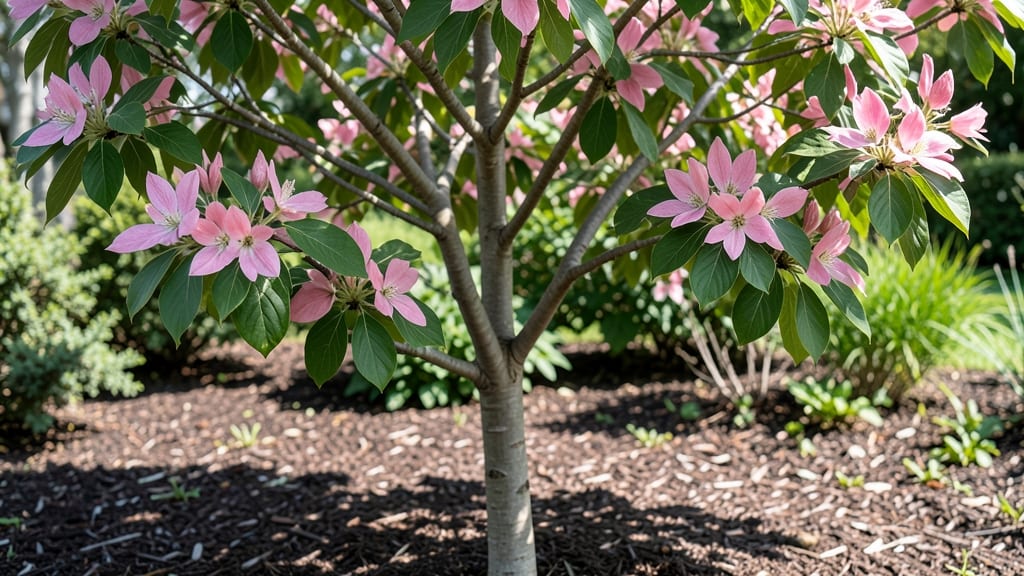
Browse pink dogwood tree images to see why these trees steal every spring show with their rosy-pink blooms that look like nature’s own chandeliers. 🌸 These trees aren’t just pretty faces—they’re four-season stars, offering glossy foliage in summer, fiery red fall color, and even winter interest with their exfoliating bark.
I’ve seen them transform a whole yard from ordinary to showstopping, and I’ll show you how to make them the centerpiece of yours too.
The secret to their magic lies in placement: position them where they’ll get morning sun and afternoon shade, surrounded by low-maintenance perennials like hostas or ferns to highlight their delicate blooms.
In my own garden, I paired one with a blue hydrangea bush—the color contrast makes the pinks pop even more. They thrive in well-drained soil and handle both city pollution and rural charm, making them the ultimate low-fuss diva for any landscape.
What really sells me on these trees is their seasonal versatility. Spring brings those iconic flowers, summer delivers lush green foliage that turns golden in late summer, and fall rewards you with fiery red leaves that last weeks.
Even in winter, their peeling bark adds texture. Imagine framing them with a stone path or decorative boulders—suddenly, your yard has depth, color, and year-round interest without the fuss.
For maximum impact, plant them 15-20 feet apart to create a natural focal point or use them as a backdrop for patios and garden beds. They grow 20-30 feet tall and wide over time, so give them room to shine.
Whether you’re designing a cottage garden, a modern landscape, or a simple backyard retreat, pink dogwoods bring effortless elegance that no other tree can match.
📚 In This Guide
- What you need
- Instructions
- Tips and common mistakes
- Wrapping up and next steps
What you need
- ● Camera or smartphone: High-resolution (12MP or higher) for crisp images.
- ○ Tripod: Optional but helpful for steady shots (lightweight models work great).
- ● Polarizing filter: Enhances vibrant pink hues by reducing glare (circular or linear, 58mm or universal fit).
- ● Reflector (5-in-1 or gold/silver): Softens shadows for brighter blooms.
- ○ External flash or ring light: Optional for low-light spring/fall shoots (adjustable brightness, 5000K+ color temp).
- ● Memory card (32GB+): Fast write speed (UHS-I or UHS-II) for RAW files.
- ● Lens cleaning kit: Microfiber cloth + lens pen to keep shots pristine.
- ● Pruning shears: Bypass-style (sharp, 6–8" blades) for clean cuts.
- ● Loppers: 18–24" for thicker branches (ratcheting or bypass type).
- ● Pruning saw: Curved-tooth saw for large limbs (8–10" blade).
- ● Gloves: Heavy-duty leather or nitrile-coated for protection.
- ● Disinfectant (70% isopropyl alcohol): Clean tools between cuts to prevent disease.
- ○ Tree wound dressing (optional): Pruning sealant for large cuts (follow label instructions!).
- ● Ladder or step stool: Sturdy, extendable (12–16 ft for mature trees).
- ● Safety gear: Goggles + long sleeves/pants to avoid thorns or sap.
- ● Timing: Prune after flowering (late spring/early summer) or in dormant season (winter).
- ● Weather: Choose a dry, overcast day to avoid stressing the tree.
- ● Tree health check: Look for signs of disease (fungus, cankers) or pests before pruning.
- ● Local regulations: Check if your area requires permits for large tree work.
How to photograph pink dogwood trees at their best
Capture the dogwood’s showstopping pink blooms and seasonal transformations with these pro tips.
☀️ Step 1: Time Your Shoot for Peak Color
Pink dogwoods (Cornus florida) burst into their most vibrant pink hues in late spring, typically April through early May, depending on your climate zone. I always scout my local trees a week before the forecasted bloom time—watch for the first buds swelling on branches. In cooler zones (USDA 5-7), blooms arrive 2-3 weeks later than in warmer areas.
For golden foliage shots, aim for October when leaves turn fiery shades. Early morning light (within 2 hours of sunrise) is ideal—it softens shadows and makes pinks pop without harsh contrasts. If you miss peak bloom, don’t worry: dogwoods offer three seasons of interest (spring flowers, summer foliage, fall color), so plan shoots accordingly.
📸 Step 2: Master Lighting for Dramatic Pinks
Dogwood blooms reflect light beautifully, but midday sun can wash out their depth. I use golden hour (first hour after sunrise or before sunset) for rich, saturated pinks. On overcast days, diffuse light enhances texture—clouds act like a natural softbox. Avoid direct afternoon sun, which casts unflattering shadows and can bleach out colors.
For close-ups, position the sun behind or slightly to the side of the tree. This backlighting creates a halo effect around petals, making them glow. If shooting in shade, increase your ISO slightly (but keep it under 800 to avoid grain) and use a polarizing filter to deepen the pink tones while reducing glare from nearby leaves.
🌿 Step 3: Frame for Seasonal Storytelling
Compose shots to highlight the dogwood’s three-dimensional structure. Start with wide-angle shots (24-35mm lens) to capture the tree against its landscape—think dappled sunlight filtering through branches in spring, or fiery fall foliage contrasting with bark. I like to include foreground interest like wildflowers or moss to add depth.
For intimate portraits, zoom in (70-200mm) on individual blooms or clusters. Look for symmetry—dogwood flowers often grow in whorls around branches. Shoot from slightly below to emphasize the upward reach of the petals. Include textural details like peeling bark or seed pods in late summer for a complete seasonal narrative.
✂️ Step 4: Edit for Vibrant, Natural Colors
In post-processing, my first edit is selective color adjustment—boost pink hues by 5-10% in the saturation slider, but avoid overdoing it (dogwoods should look alive, not neon). I use HSL panels to enhance magenta tones while muting competing greens slightly. For fall shots, I warm up the yellows and oranges by raising the temperature by 5-8°K while keeping shadows cool.
Sharpen edges of petals and bark using a masking technique—avoid over-sharpening the background, which can look unnatural. For outdoor shots with distracting elements, I use the spot healing brush to remove stray leaves or branches. Always compare your edited image to the original—dogwoods should look vibrant but true to life.
📅 Step 5: Plan for All Four Seasons
Dogwoods aren’t just spring stars—they offer year-round photographic potential. In winter, their exfoliating bark (peeling in papery layers) makes striking textures. Capture early spring buds (tiny green clusters) for a "before the bloom" story. For summer shots, focus on the dark green, elliptical leaves and any wildlife visitors (hummingbirds love the nectar!).
I create a seasonal shot list to ensure I don’t miss any stage. For example, I schedule a weekly check in late winter to catch the first buds, then biweekly visits during bloom season. Use a field notebook to jot down notes like "best light time" or "noteworthy textures" for future reference. This ensures you’ll always have fresh angles when inspiration strikes.
Tips & tricks for capturing pink dogwood tree beauty
Here's what I've learned after years of chasing dogwoods through every season—these details make all the difference.
Timing is Everything: Those 2 hours after sunrise in Step 1 are golden (literally!). I've missed peak light too many times to count—always check the sunrise time for your location and plan to arrive 30 minutes early. Pro tip: Use a weather app to track cloud cover; even light clouds can soften harsh shadows during golden hour. For winter bark shots, aim for late morning when shadows are longer but still defined enough to highlight the peeling texture.
Equipment Upgrade: A polarizing filter (mentioned in Step 2) is worth its weight in dogwood images—it cuts through glare on leaves and deepens those pink hues by up to 20%. I also recommend a reflector (5-in-1 type) for overcast days; bouncing light back onto shaded branches adds dimension to close-ups. For wide-angle shots in Step 3, a tripod with a ball head lets you quickly adjust angles without losing composition.
Seasonal Composition Secrets: In Step 3, when framing wide-angle shots, I always look for leading lines like winding paths or streams that draw the eye toward the tree. For intimate portraits, try the "rule of thirds" but with a twist: place the tree's center point where the top and right thirds intersect—this creates natural balance in the whorl patterns. In fall, I often include fallen leaves in the foreground to emphasize the color transition.
Editing Without Overdoing It: That 5-10% boost in saturation mentioned in Step 4 is your safety zone. I've learned this the hard way—pushing beyond 15% turns dogwoods into cartoonish pinks. For bark textures in winter, I use a texture overlay (subtle, 10-15% opacity) to enhance the peeling layers without losing detail. Always save an unedited version of your best shot—sometimes the "before" version is more striking than the edited one.
Pro Tips for Pink Dogwood Tree Images
- Here's what I've learned after years of chasing dogwoods through every season—these details make all the difference.
- Timing is Everything: Those 2 hours after sunrise in Step 1 are golden (literally!). I've missed peak light too many ...
- Equipment Upgrade: A polarizing filter (mentioned in Step 2) is worth its weight in dogwood images—it cuts through gl...
Frequently asked questions
Got questions about the stunning pink dogwood tree? You’re not alone! Here are answers to the most common queries—from care tips to seasonal secrets.
When is the best time to plant a pink dogwood tree?
The ideal time to plant a pink dogwood is in early spring or fall, when temperatures are mild. This gives the tree time to establish roots before extreme heat or cold. Avoid planting in summer—drought stress can stunt growth. Choose a spot with partial shade and well-draining soil for optimal results!
How tall does a pink dogwood tree grow, and how fast?
Pink dogwood trees typically reach 20–30 feet tall at maturity, with a spread of 25–40 feet. Growth is moderate: expect about 12–24 inches of height gain per year when young. Patience pays off—full bloom and height take 5–10 years! Prune selectively to shape it without sacrificing its iconic floral display.
Why aren’t my pink dogwood flowers blooming this year?
Missing blooms? Common causes include:
- Over-pruning: Dogwoods bloom on old wood. Avoid heavy cuts after mid-summer.
- Poor sunlight: Too much shade or sudden sun exposure can stress the tree.
- Disease or pests: Check for powdery mildew (white spots) or borers (holes in bark). Treat with fungicide or insecticide if needed.
- Age or stress: Young trees or those recovering from transplant shock may delay blooming.
Give it time—or consult a local arborist for a diagnosis!
Can I grow a pink dogwood in a container, or is it better in the ground?
While possible, pink dogwoods thrive best in the ground due to their size and root system. However, if you’re set on a container:
- Use a large pot (at least 20+ gallons) with drainage holes.
- Choose a light, well-draining potting mix (add perlite or sand).
- Repot every 2–3 years to accommodate root growth.
- Note: Container-grown dogwoods may bloom less vigorously than ground-planted trees.
For long-term health, ground planting is the gold standard!
Are there alternatives to pink dogwood trees for small yards?
If space is limited, consider these compact, flowering trees with similar charm:
- Dwarf Korean Dogwood (Cornus kousa): Grows 10–15 ft tall, with pink-white blooms and edible fruit.
- Serviceberry (Amelanchier): 15–20 ft tall, with white/pink flowers and berries for wildlife.
- Fringe Tree (Chionanthus virginicus): 15–20 ft, with fragrant white flowers and a graceful habit.
- Japanese Snowbell (Styrax japonicus): 15–25 ft, with bell-shaped white flowers (pink-tinged varieties exist!).
All offer seasonal interest and adapt well to smaller landscapes!
Wrapping up and next steps
The pink dogwood tree isn’t just a seasonal star—it’s a year-round masterpiece, from delicate spring blooms to fiery autumn foliage. Whether you’re pruning for health, aesthetics, or simply admiring its beauty, understanding its growth stages helps you nurture it with confidence. 🌸
Ready to give your pink dogwood the care it deserves? Start by scheduling a light pruning session in late winter or early spring—then sit back and enjoy the show as it transforms your landscape into a living work of art! 🌿