
Trees
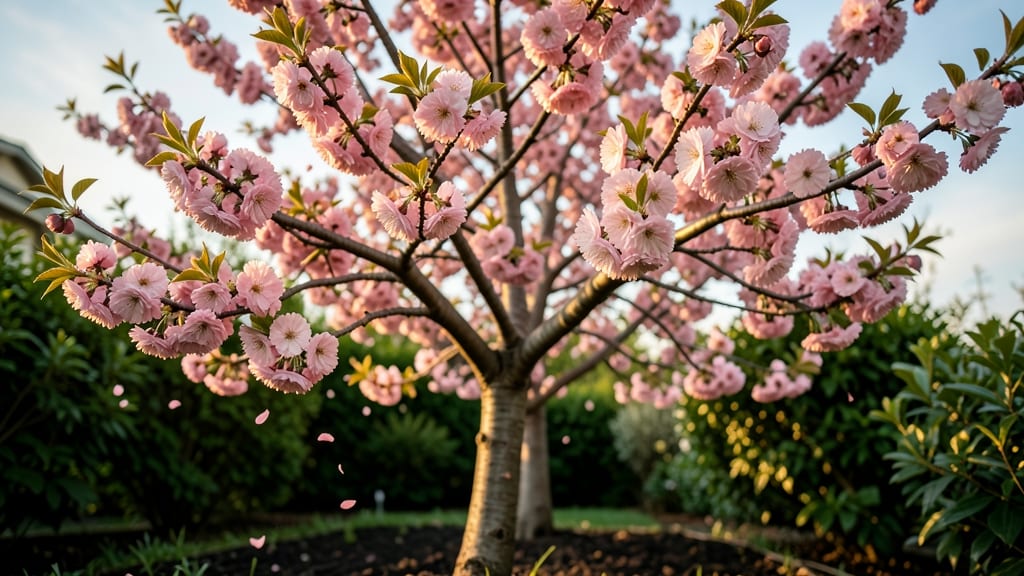
Pink flowering trees add timeless elegance and vibrant color to any landscape. These 10 varieties bloom in shades from blush to magenta, offering seasonal interest and low-maintenance beauty for gardeners of all levels.
Crape Myrtle Pink Flowering Trees
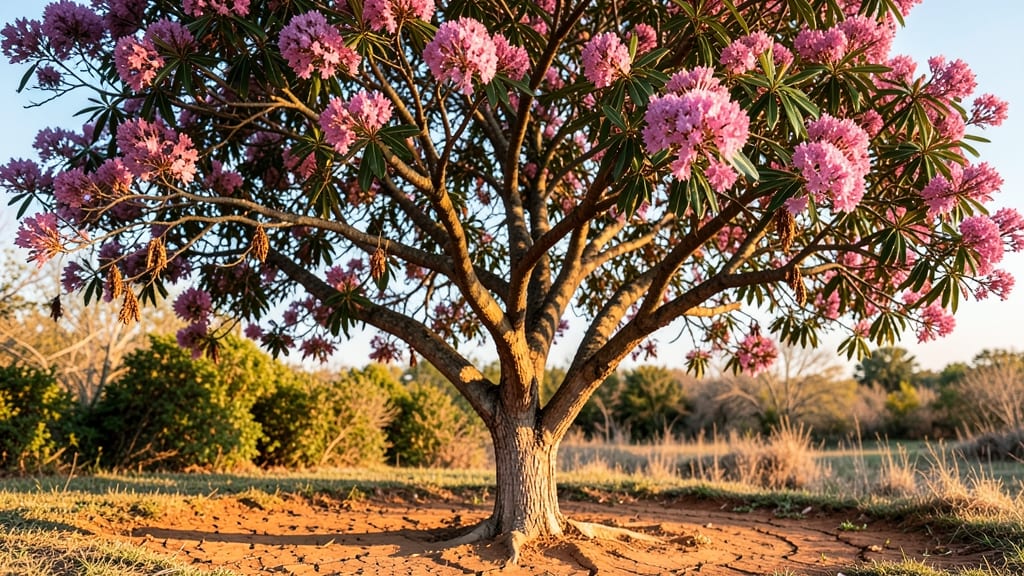
If you're craving a pink flower tree that thrives on neglect and delivers bold color from summer through fall, look no further than the crape myrtle. This Southern staple doesn’t just survive drought—it flourishes in it, making it the ultimate choice for water-conscious gardeners in zones 6-9.
Crape myrtles burst with layered pink blooms (like 'Tonto' or 'Natchez') that last 60+ days, followed by striking exfoliating bark that adds winter interest. They handle urban pollution, rocky soil, and even road salt—perfect for city lots and rural landscapes alike. Prune back old wood annually to encourage fresh growth and more flowers.
Urban gardeners and first-time tree owners will love how crape myrtles fit into tight spaces while demanding almost no care. Plant them as focal points, street trees, or mixed with shrubs for a low-maintenance pink paradise. 💚
Bradford Pear Pink Varieties
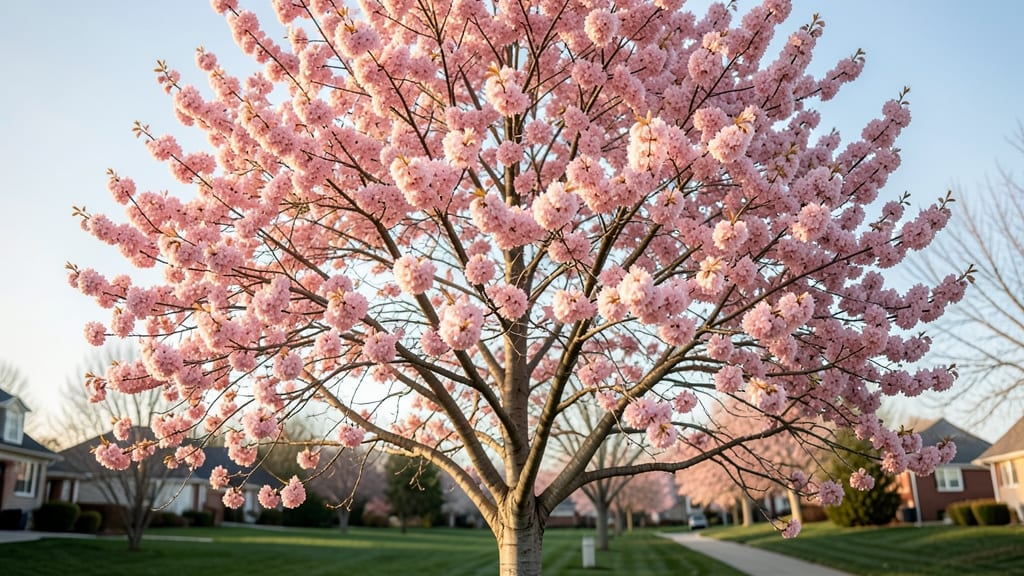
Looking for a fast-growing tree that transforms your suburban yard into a springtime spectacle? Bradford Pear varieties deliver abundant pink blossoms in early spring, creating a stunning canopy before the leaves even emerge. These trees grow 2-3 feet per year, making them ideal for privacy screens or focal points in tight spaces.
Plant them in full sun (at least 6 hours daily) for best blooms, and they tolerate a wide range of soils, including clay. Prune lightly in late winter to maintain shape, and watch as their fragrant pink flowers attract bees and butterflies. The Callery Pear (their botanical name) is also disease-resistant once established.
Perfect for urban gardeners with limited space, Bradford Pears offer year-round interest—spring blooms, summer shade, and even winter structure. Their low-maintenance nature makes them a favorite for busy homeowners. 🌻
Japanese Cherry Blossom Trees
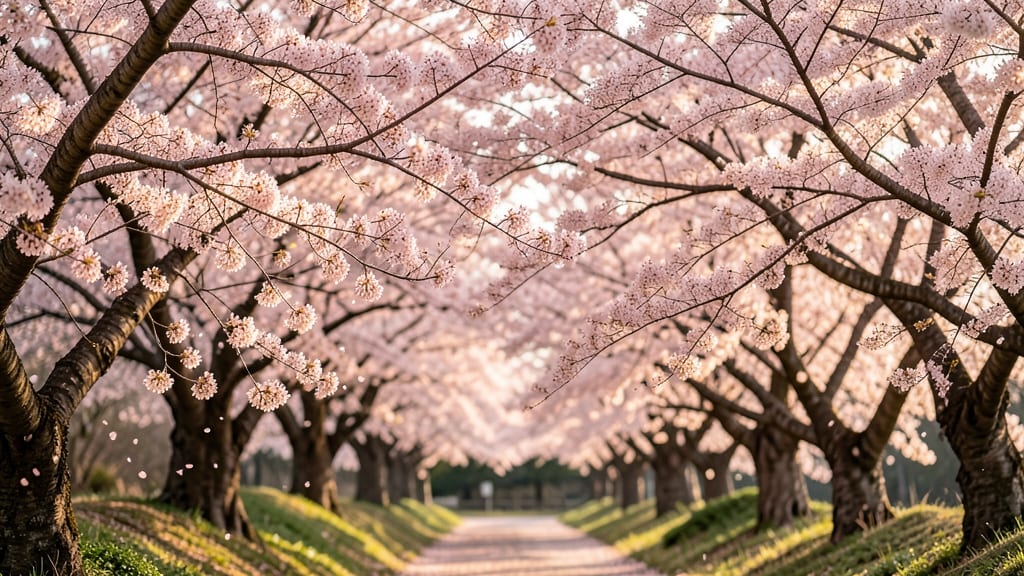
Imagine a pink floral sea that transforms your landscape into a breathtaking spectacle each spring—Japanese cherry blossom trees (Prunus serrulata) deliver exactly that. Their delicate, soft pink blooms create a dreamy canopy that’s impossible to resist, especially when planted in clusters along pathways or near water features.
These trees thrive in full sun to partial shade and prefer well-drained, slightly acidic soil, making them ideal for USDA zones 5-8. Prune lightly after blooming to maintain shape, and watch as their ephemeral flowers attract pollinators while casting dappled shade in summer. For maximum drama, plant 3-5 trees together—their collective impact is what makes them legendary in parks like Washington D.C.’s Tidal Basin.
Perfect for large landscapes, urban parks, or even spacious backyards, these trees bring cultural symbolism and natural beauty to any setting. Just be prepared for petal-laden springtime magic! 🌷
Pink Dogwood Trees
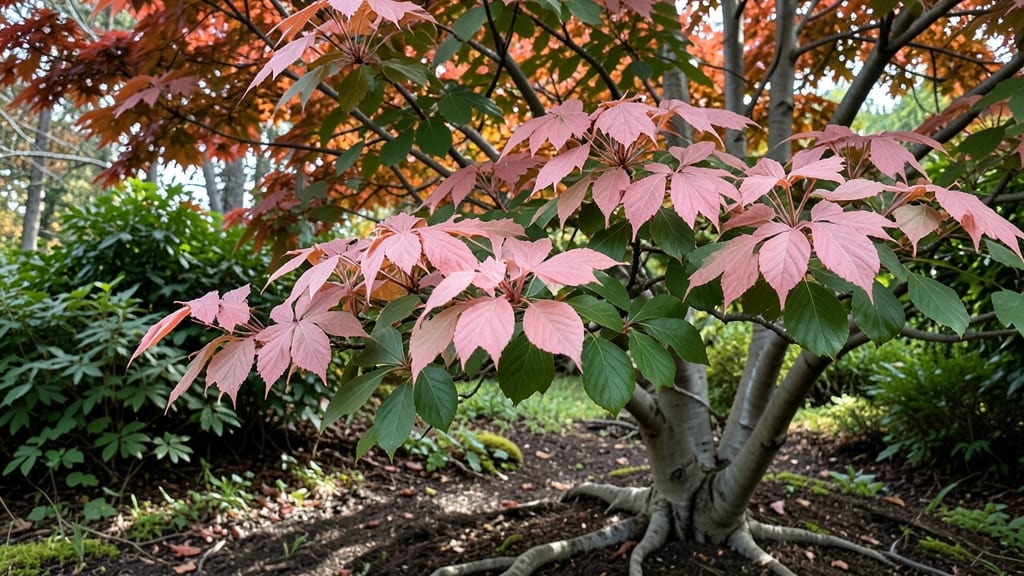
Looking for a tree that delivers year-round interest with minimal effort? The pink dogwood (Cornus florida) is your answer—its showy pink bracts in spring and fiery fall foliage make it a woodland garden staple that thrives in shade.
This deciduous beauty prefers acidic, well-draining soil and partial shade, making it ideal for understory plantings or as a focal point in naturalistic landscapes. Prune lightly after flowering to maintain its graceful shape, and watch as its white flowers (hidden behind the pink bracts) attract pollinators. With proper care, it can live for decades, offering seasonal color with almost no fuss. 🌟
Pink Magnolia Trees
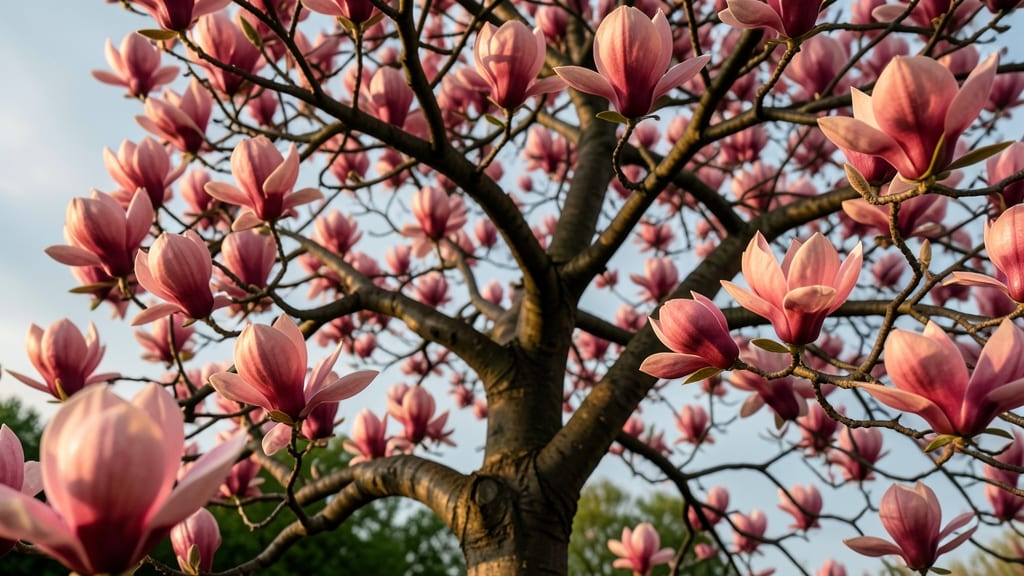
Looking for a fragrant centerpiece that commands attention in your garden? Pink magnolia trees deliver show-stopping blooms and timeless structure, making them a favorite for formal landscapes and foundation plantings.
These trees produce large, glossy pink flowers in late spring, often before the foliage fully emerges, creating a dramatic display. Their fragrant blooms attract bees and butterflies, turning your garden into a pollinator paradise. With mature heights of 20-40 feet, they provide both vertical interest and a sense of grandeur. Plant them near patios or entryways to create a welcoming focal point.
Perfect for gardeners who love structured elegance, pink magnolias thrive in well-drained soil with morning sun and afternoon shade. Their slow growth means minimal pruning, making them ideal for low-maintenance landscapes. 🌷
Pink Flowering Quince
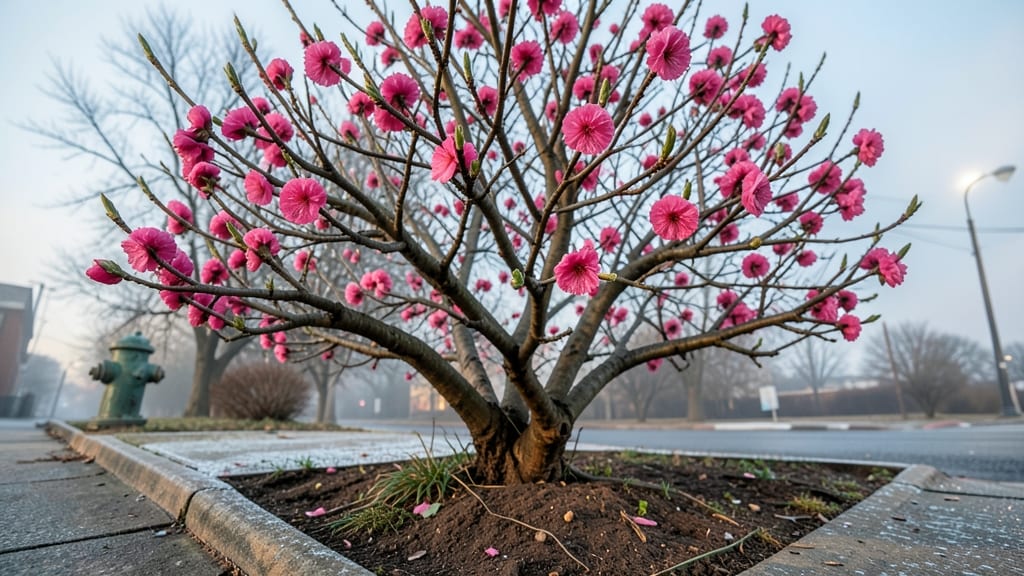
When you crave color before spring has even begun, pink flowering quince delivers a fragrant punch of early-season blooms that brighten dull winter landscapes. Unlike finicky trees that demand perfect soil, this hardy shrub thrives in urban conditions, making it the perfect choice for city gardens and neglected corners.
Native to Asia and Europe, this drought-tolerant plant produces clusters of bright pink flowers in late winter or early spring, often before leaves emerge. Its spiny branches add architectural interest year-round, while the fragrant blossoms attract early pollinators. Plant it in mixed borders or cottage gardens where its winter-to-spring color will steal the show.
Gardeners with poor soil or limited space will love this resilient plant—it even tolerates urban pollution. Perfect for those who want beauty without fuss, this versatile shrub offers both visual impact and low-maintenance reliability. 🌷
Pink Flowering Crabapple Trees
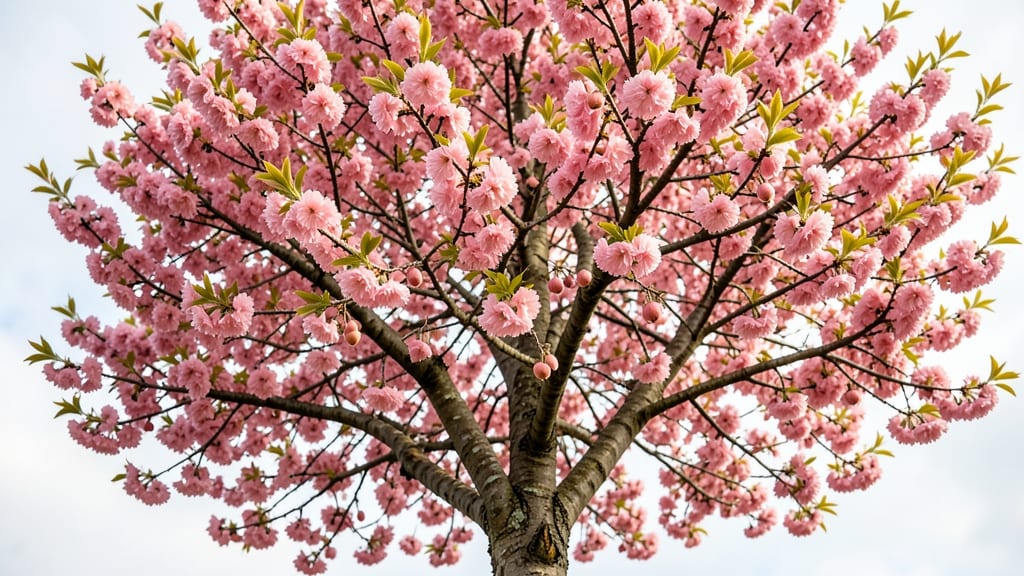
If you love the idea of a pink flowering tree that fits snugly in your small yard or even a large container, pink flowering crabapple trees are your perfect match. These compact beauties pack a punch with abundant pink blossoms in spring and tiny, edible fruits that birds adore—without taking up excessive space.
Most varieties stay under 12 feet tall, making them ideal for tight spaces, urban gardens, and even patio containers. They thrive in full sun to partial shade and tolerate a range of soil types, though well-draining soil prevents root rot. Their pollinator-friendly blooms attract bees and butterflies, while the fruits provide a bonus harvest for wildlife (or you, if you're adventurous!).
Perfect for beginners and space-conscious gardeners, these trees add year-round interest—from spring blooms to fall color and winter structure. 🌻
Pink Royal Poinciana Trees
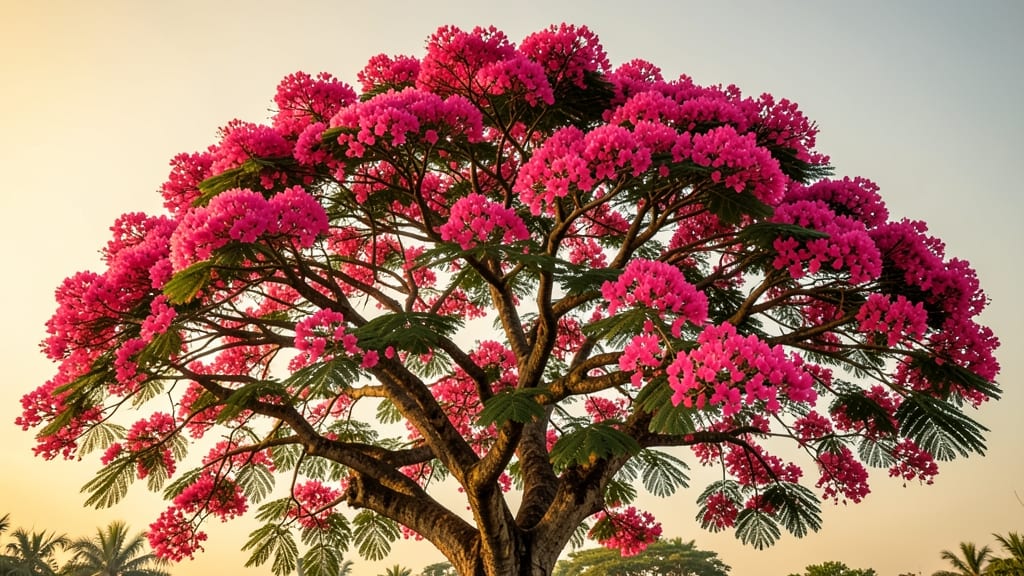
If you crave a tropical statement without the humidity, the Royal Poinciana (Delonix regia) delivers fiery pink blooms that rival any coastal paradise. Unlike spring-blooming trees, this showstopper bursts into color from late summer through fall, extending your seasonal drama when most gardens fade.
Native to Madagascar but thriving in USDA Zones 10-11, this tree handles full sun and drought once established, making it ideal for Mediterranean or desert landscapes. Its feathery, fern-like foliage and 30-foot height create a dramatic focal point, while its container-friendly nature lets urban gardeners enjoy it on patios or balconies.
Perfect for those who love bold colors and warm climates, this tree transforms any space into a tropical retreat with minimal care. 🌻
Pink Weeping Cherry Trees
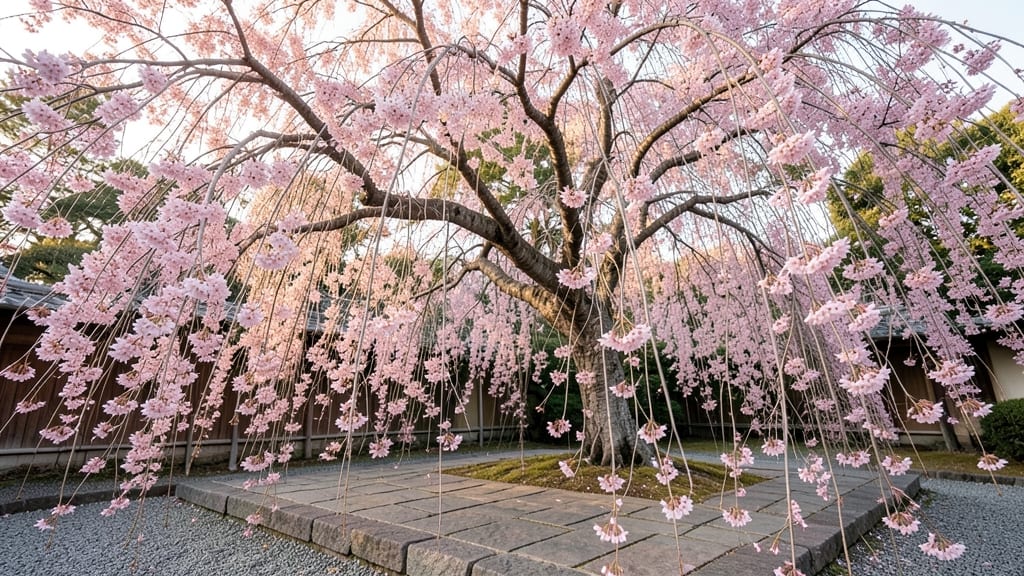
Transform your small patio or courtyard into a dreamy Japanese garden with weeping cherry trees, whose arching branches create a waterfall of delicate pink blossoms. Unlike their upright cousins, these trees grow horizontally, making them perfect for tight spaces where vertical drama is desired without sacrificing square footage.
Plant them near a seating area or water feature to maximize their ethereal beauty—Prunus subhirtella varieties like 'Pendula' or 'Shirotae' thrive in full sun to partial shade and tolerate a range of soils, though well-draining conditions prevent root rot. Prune lightly in late winter to maintain their graceful shape, and enjoy blooms that arrive slightly earlier than other cherries, often in late winter or early spring.
Urban gardeners and small-space enthusiasts will love how these trees bring year-round interest, with attractive bark and occasional fall color even after the flowers fade. Their gentle, weeping habit makes them ideal for containers too, letting you create a mini bonsai-like display on your balcony. 🌷
Pink Flowering Plum Trees

Looking for a tree that delivers both stunning spring color and a harvestable bounty? Pink flowering plum trees are the ultimate dual-purpose star, offering fragrant rosy-pink blossoms in late winter and edible plums by summer.
These trees thrive in USDA zones 5-8 and prefer full sun to partial shade, making them perfect for orchards or food gardens. The edible fruits ripen in late summer, attracting birds while providing fresh snacks for you. Prune lightly after flowering to encourage dense growth and better fruit production.
Homesteaders and urban gardeners alike will appreciate their compact size (15-25 feet) and ability to grow in containers for small spaces. Plant them near patios or kitchen gardens for both beauty and harvest. 🌷