
Flowers
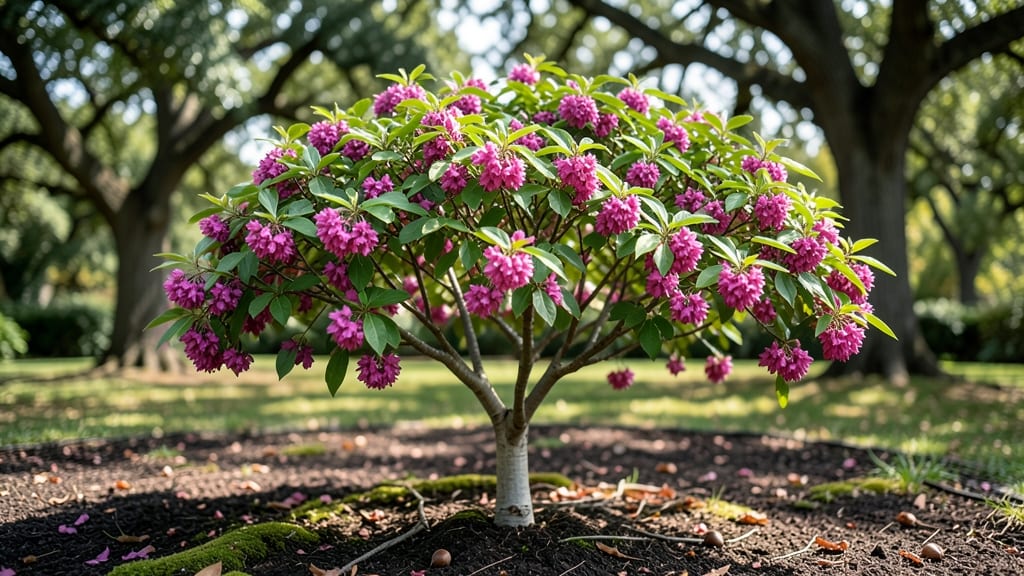
A tree with little pink flowers cascading like confetti from branches—this is the magic of small-flowered pink trees that transform any garden into a springtime spectacle. 🌸 I’ve planted three varieties over the years, and each one brings something different: the delicate blush of Eastern Redbud, the dramatic bursts of Japanese Cherry, or the long-blooming romance of Crape Myrtle.
These aren’t just trees; they’re the stars of your garden’s opening act, drawing bees, butterflies, and admiring neighbors alike.
The key to making them shine lies in placement and pairing. A single Eastern Redbud becomes a stunning focal point near patios, while Japanese Cherries work best in groups for a "cherry blossom" effect.
For low-maintenance drama, Crape Myrtles handle heat and drought like champions—ideal for borders or mixed shrub beds. Plant them near perennials like foxgloves or salvia to extend the show from spring through summer.
What you’ll end up with is a garden that feels alive in every season. The fragrant pink blooms of spring give way to lush foliage, then maybe berries or fall color, depending on the variety.
These trees don’t just look good—they create a living tapestry that pollinators can’t resist. Plus, they grow with minimal fuss once established.
Whether you’re working with a small yard or a sprawling landscape, these pink-flowered trees adapt beautifully. Start with one as a statement piece, then layer in complementary plants to keep the magic going all year. Here’s how to choose the perfect one for your space!
Behind The Blooms
Those delicate, pink floral displays on certain trees aren’t just a springtime spectacle—they’re the result of a carefully timed biological dance between nature’s forces. Understanding why these trees produce such vibrant blossoms helps gardeners nurture them and attract pollinators. Here’s a breakdown of the science behind the show.
Some trees are simply hardwired to bloom in pink. Species like the Cercis canadensis (Eastern Redbud) or Prunus serrulata (Japanese Cherry) carry genes that code for anthocyanins—pigments responsible for pink, purple, and red hues. These pigments aren’t just for show; they:
- Protect delicate petals from UV damage.
- Signal pollinators (like bees and butterflies) with bright, contrasting colors.
- Regulate flower temperature, helping attract early-season insects.
Actionable tip: 🌡️ If you’re growing a grafted tree (e.g., a pink-flowering cherry), ensure it’s a true cultivar—some hybrids revert to white or pale blooms if the rootstock influences flower color.
Pink flowers don’t appear overnight—they’re cued by photoperiod (daylight length) and chilling hours. Most spring-blooming trees need:
| Factor | Requirement | Why It Matters |
|---|---|---|
| Chilling Hours | 300–1,500 hours below 45°F (7°C) | Breaks dormancy, ensuring buds form correctly. |
| Warmth Threshold | Consistent temps above 50°F (10°C) | Triggers bud break and pollen release. |
| Daylight Exposure | 6+ hours of direct sun | Boosts photosynthesis, fueling flower production. |
Pro tip: ✨ If your tree skips blooming, it might lack chilling hours—consider a microclimate adjustment (e.g., moving potted trees to a cooler garage in winter) or choose cold-hardy varieties like Cercis for Zone 4+.
Stress = fewer flowers. Trees with little pink blooms often suffer from:
- Drought stress: Insufficient water diverts energy to root growth over flowers.
- Over-fertilization: Too much nitrogen = lush leaves, but no blooms (trees prioritize foliage).
- Nutrient deficiencies: Low phosphorus (P) or potassium (K) stunts flower buds.
Science-backed fix: 💡 Test soil pH (ideal: 6.0–7.0 for most flowering trees) and amend with bone meal (P) or wood ash (K) in early spring. Water deeply 1–2 times/week during bud formation (late winter).
Some trees need pollinators to trigger fruit set—and sometimes, the flowers themselves are a pollinator magnet. For example:
- Cercis (Redbud) relies on bees for cross-pollination; sparse blooms may mean few visitors.
- Prunus (Cherry/Plum) trees often self-pollinate, but wind or insects improve success.
Garden hack: 🎯 Plant companion pollinator-friendly species nearby (e.g., Diervilla lonicera or Lonicera sempervirens) to boost activity. Avoid pesticides during bloom!
Young trees (under 5 years) may produce fewer flowers as they focus on root/structural growth. Similarly, stressed trees (disease, pests, or poor soil) redirect energy to survival over reproduction. Signs of trouble:
- Yellowing leaves (nutrient deficiency or disease).
- Cracked bark or sawdust-like frass (pest damage).
- Stunted growth (compaction or root bind).
Revitalization steps: 🔥 Prune dead branches in late winter, apply mycorrhizal fungi to improve root health, and mulch (2–4 inches) to retain moisture.
Reviving Your Blooming Beauty
If your tree with delicate pink blossoms isn’t thriving as expected, don’t worry—most issues have simple, effective fixes. Below, we’ll tackle common problems with practical solutions, from quick adjustments to long-term care. Think of this as your step-by-step guide to bringing back that fragrant spring canopy! 🌸✨
Signs: Yellowing leaves, soggy soil, or a tree that looks wilted despite water. Fix:- 🔥 Step 1: Check the Soil – Stick your finger 2-3 inches into the soil. If it’s damp, hold off on watering. If it’s bone-dry, water deeply but less frequently.
- 👨🍳 Step 2: Improve Drainage – Amend heavy clay soil with compost or organic matter (like peat moss or coconut coir) to help roots breathe.
- 🥘 Step 3: Adjust Watering Habits – Water only when the top inch of soil feels dry. A drip irrigation system or soaker hose can deliver moisture evenly without overdoing it.
💡 Pro Tip: If your tree sits in a low spot where water pools, consider creating a slight mound around the base (about 6 inches high) to redirect excess water away from the roots.
Signs: Crispy leaf edges, drooping branches, or a dull, dusty appearance. Fix:- 💦 Step 1: Water Deeply – Give the tree a slow, thorough drink (about 1-2 gallons per inch of trunk diameter) once a week during dry spells. Early morning or late evening is best to reduce evaporation.
- 🌡️ Step 2: Mulch Like a Pro – Spread 2-3 inches of organic mulch (wood chips, straw, or shredded bark) around the base, keeping it away from the trunk. This locks in moisture and regulates soil temperature.
- 🌿 Step 3: Provide Shade (If Needed) – If your tree is in a scorching spot, temporary shade cloth or a nearby umbrella can protect it during peak sun hours.
✨ Bonus: A layer of mulch also suppresses weeds, which compete for water and nutrients.
Signs: Holes in leaves, sticky residue (sap), wilting, or unusual spots (black, brown, or yellow). Fix:- 🔍 Step 1: Identify the Culprit – Inspect leaves and bark for pests (aphids, scale, or borers) or signs of fungal/mold growth (powdery mildew, rust spots). Snap a photo and compare it to online guides or consult a local nursery.
- 🧴 Step 2: Treat Gently –
- For Pests: Spray affected areas with neem oil (mix 1 tsp per quart of water) or insecticidal soap. Repeat every 5-7 days until pests vanish.
- For Fungal Issues: Prune infected branches below the damage, then sterilize tools with rubbing alcohol. Apply copper fungicide or a baking soda spray (1 tsp baking soda + 1 quart water + a drop of dish soap).
- 🌿 Step 3: Boost Tree Health – A balanced fertilizer (low in nitrogen) can strengthen your tree’s defenses. Look for one labeled for flowering trees or shrubs.
🎯 Prevention: Encourage beneficial insects like ladybugs and lacewings by planting companion flowers (e.g., marigolds or alyssum) nearby. They’ll keep pests in check naturally!
Signs: Bare branches, excessive leaf drop, or a tree that looks “haircut” instead of natural. Fix:- 📝 Step 1: Prune at the Right Time – The best time to prune flowering trees is right after they bloom (late spring to early summer). Avoid heavy pruning in fall or winter.
- 🔪 Step 2: Use the Right Tools – Sharp, clean pruners or a saw (for thicker branches) prevent tearing. Sterilize tools with rubbing alcohol between cuts to avoid spreading disease.
- 🌳 Step 3: Follow the “3-Cut Rule” –
Cut How to Do It 1 Make an undercut about 6 inches from the branch collar (the swollen area where the branch meets the trunk). 2 Cut above the undercut, leaving a small stub (about 3 inches). 3 Remove the stub by cutting just outside the branch collar.
💡 Pro Tip: Never remove more than 25% of the tree’s foliage in one season. Overpruning stresses the tree and reduces flowering.
Signs: Pale or yellow leaves, stunted growth, or sparse blooms despite proper watering. Fix:- 📊 Step 1: Test Your Soil – Grab a soil test kit from a garden center or send a sample to your local cooperative extension office. This tells you exactly what’s missing (e.g., nitrogen, phosphorus, potassium, or micronutrients).
- 🌱 Step 2: Feed the Right Way –
- For Blooms: Use a fertilizer high in phosphorus (look for a middle number, like 5-10-5).
- For Overall Health: A slow-release organic fertilizer (like compost or worm castings) works wonders over time.
- 🍎 Step 3: Top-Dress Annually – In early spring, spread a 1-inch layer of compost around the drip line (the edge of the tree’s canopy). Water it in thoroughly.
✨ Bonus: If your tree loves acidic soil (like azaleas or rhododendrons), mix in pine needles or peat moss to lower the pH.
With these fixes, your tree with little pink flowers should bounce back stronger than ever. Remember, consistency is key—whether it’s watering, pruning, or feeding. Happy gardening! 🌿💖
Frequently asked questions
Which tree with little pink flowers blooms earliest in spring?
The Eastern Redbud (Cercis canadensis) is the champion for early bloomers, often bursting into pink flowers as early as February or March in warmer climates. Its heart-shaped leaves emerge after the flowers, creating a stunning contrast. For even earlier blooms, consider the Japanese Plum (Prunus mume), which can flower in late winter.
Can I grow a pink-flowering tree in a small urban yard?
Dwarf varieties like the Dwarf Japanese Cherry (Prunus serrulata 'Kanzan') or Littleleaf Linden (Tilia cordata 'Greenspire') stay under 15-20 feet tall and work beautifully in tight spaces. For containers, try the Crape Myrtle (Lagerstroemia 'Natchez') in a large pot—just ensure it gets 6+ hours of sun daily.
Why does my pink-flowering tree have so few blooms this year?
Common causes include over-fertilizing with nitrogen (which promotes leaves over flowers), insufficient chilling hours (needed for bud formation), or stress from drought/poor soil. Try reducing nitrogen, testing your soil pH, and ensuring 300+ hours below 45°F during winter. Young trees (3-5 years) also prioritize root growth over blooms.
What plants pair well with pink-flowering trees for a cohesive look?
For a harmonious garden, combine pink trees with purple or white blooms to create contrast. Try catmint (Nepeta), lavender (Lavandula), or white cleome at their base. For height, add ornamental grasses like Miscanthus or feather reed grass. These pairings extend the seasonal interest from spring through fall.
Are pink-flowering trees fragrant?
It depends on the species! Japanese Cherries (Prunus) and Crape Myrtles (Lagerstroemia) often have sweet, intoxicating scents, while Redbuds (Cercis) are lightly fragrant. For the strongest aroma, choose double-flowering varieties like 'Shirofugen' cherry or 'Tonto' Crape Myrtle. Plant them near patios or seating areas to enjoy the fragrance up close.