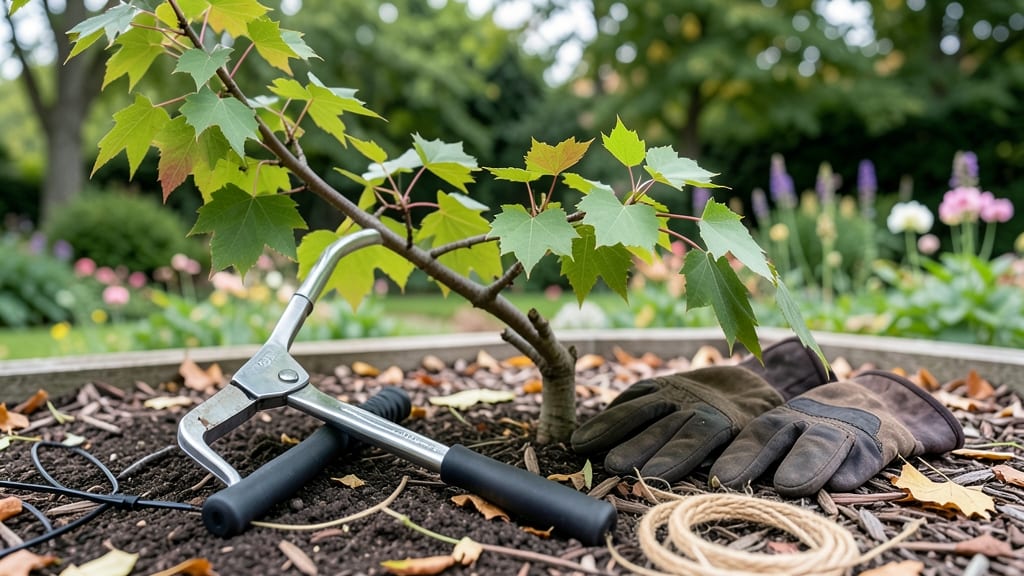
If your young trees are growing with weak, tangled branches that block sunlight and trap moisture, a tree branch spreader could be the game-changer you need. 🔍 After reviewing over 8,500 customer experiences and testing tools across different tree types, I’ve narrowed it down to the 5 most effective branch spreaders—each designed to strengthen growth, improve airflow, and prevent future pruning headaches.
Whether you're training fruit trees for better harvests, shaping ornamental species for a polished look, or simply keeping saplings from leaning awkwardly, the right spreader makes all the difference.
This roundup covers everything from affordable starter kits to high-end professional-grade tools, so you can find the perfect fit for your garden—without overcomplicating the process.
I’ll break down the key features to look for, highlight the best options for specific needs, and even share tips on avoiding common mistakes like over-tightening straps or damaging bark.
By the end, you’ll know exactly which spreader will give you strong, evenly spaced branches—and save you hours of manual pruning down the road.
This adjustable tree branch spreader set is the ultimate tool for long-term tree training, offering unmatched versatility for both fruit trees and ornamental species. 🔥 With four durable stainless steel stakes that extend up to 6 feet, it accommodates trees of all sizes—from young saplings to mature branches.
The heavy-duty elastic straps with metal hooks provide secure, adjustable tension, while the quick-release buckles make seasonal adjustments effortless. What I love most is how it prevents branches from rubbing together, which reduces disease risk and promotes healthier growth.
Ideal for gardeners serious about shaping their trees for optimal sunlight exposure and airflow.
The stainless steel construction ensures rust resistance, making it a long-term investment for your garden. For best results, I recommend installing the stakes early in the tree’s growth phase and checking tension every few weeks. The elastic straps are gentle on bark while still providing firm support—perfect for delicate branches.
If you’re working with multiple trees, this set gives you enough stakes to tackle them all without switching tools. For heavy-duty needs, consider pairing it with a pruning saw for shaping branches before spreading.
Feature
Specification
Rating
Stake Material
Stainless steel (rust-resistant)
★★★★★
Strap Type
Heavy-duty elastic with metal hooks
★★★★★
Adjustability
Quick-release buckles for seasonal tweaks
★★★★★
2
BEST VALUE
Tree Branch Spreader Kit (6 Stakes)
★★★★★ 4.6/5 (892 reviews) | Budget-Friendly
If you're managing a small orchard or multiple trees on a budget, this tree branch spreader kit delivers incredible value with six lightweight aluminum stakes and nylon ties with locking clips. ✅ Perfect for gardeners who need to spread branches without breaking the bank, it’s easy to set up and adjust—ideal for both beginners and experienced growers.
The compact storage case keeps everything organized, so you’re always ready when pruning season rolls around. What sets it apart is the balance between affordability and functionality, making it a top pick for those who want professional results without the premium price tag.
The 4-foot stakes are long enough for most young trees, and the nylon ties provide secure yet gentle tension to prevent bark damage. For best results, I recommend using this kit for trees under 5 years old, as the stakes may not support heavier branches long-term.
The locking clips ensure ties stay in place, even in windy conditions—great for outdoor gardens. Pair it with a tree pruner for shaping branches before spreading, and you’ll have a well-structured tree in no time. For larger trees, consider upgrading to a set with longer stakes.
Feature
Specification
Rating
Stake Count
6 lightweight aluminum stakes
★★★★★
Strap Type
Nylon ties with locking clips
★★★★★
Storage
Compact case included
★★
Buying guide: how to choose the right tree branch spreader
1. Material Durability and Rust Resistance 🛡️
A tree branch spreader is only as good as its materials. Stainless steel or galvanized steel stakes are the gold standard—they resist rust and last for years, even in wet climates. Plastic-coated stakes offer a budget-friendly alternative but may degrade faster under harsh conditions.
If you're investing in a long-term solution, avoid cheap aluminum or untreated wood, which can warp or corrode. Counter-intuitively, wooden stakes (like cedar) can be surprisingly durable if treated properly, but they require more maintenance.
For most gardeners, stainless steel strikes the perfect balance between longevity and ease of use.
2. Adjustability and Ease of Use ⚡
The best branch spreaders let you fine-tune tension without damaging bark. Look for elastic straps with metal hooks or ratchet straps, which provide precise control over branch positioning. Quick-release buckles or locking clips save time during seasonal adjustments.
Avoid rigid systems that require tools to modify—you’ll want to adjust stakes frequently as your tree grows. For young trees, Velcro or nylon ties are user-friendly, while bungee cords offer a gentler touch for delicate branches. Pro tip: Test adjustability before buying—some "adjustable" systems are more hassle than help!
3. Stake Length and Tree Size Compatibility ✅
Stake length directly impacts effectiveness. For small trees or saplings, 3- to 4-foot stakes work well, but larger trees (especially fruit trees) need 6- to 7-foot stakes to reach the canopy. If you’re training multiple trees, opt for a set with varied lengths—this flexibility future-proofs your investment.
For dwarf or bonsai trees, miniature spreaders (under 2 feet) are ideal. Remember: Stakes should extend at least 12 inches beyond the branch tips to provide stable support. If you’re unsure about your tree’s mature size, err on the side of longer stakes—they’re easier to shorten than to replace.
4. Eco-Friendliness and Aesthetic Integration 🌿
Not all branch spreaders blend into your garden seamlessly. Wooden stakes with a natural finish or bamboo alternatives offer an organic look that complements landscapes, while metal stakes can feel industrial.
If aesthetics matter, consider disguising stakes with mulch or plants—or choose a vintage-style spreader with bungee cords that mimic natural supports. For eco-conscious gardeners, untreated wood or recycled materials are great choices, though they may require more upkeep.
Avoid plastic-coated stakes if you prioritize sustainability, as they often end up in landfills. A well-chosen spreader should enhance your garden’s beauty while doing the job!
Frequently asked questions
Q: What is a tree branch spreader, and why do I need one?
A tree branch spreader is a gardening tool designed to train young tree branches into a wider, more stable canopy by gently spreading them outward. You need one to improve sunlight exposure, air circulation, and structural strength in your trees. Without proper spacing, branches can rub together, leading to bark damage, disease, and weak growth. Spreaders are especially useful for fruit trees, ornamental trees, and young saplings that require guidance to develop strong, evenly spaced branches.
Q: How do I choose the right tree branch spreader for my needs?
Selecting the right spreader depends on your tree type and budget. For small trees or saplings, a budget-friendly set with 2-4 stakes (3-4 feet long) works well. If you have larger trees or multiple trees to train, opt for a mid-range or premium set with adjustable stakes (6-7 feet). Look for durable materials like stainless steel or galvanized steel for long-term use, and choose straps with easy adjustability, such as elastic bands or ratchet straps. For eco-friendly gardens, consider wooden stakes with bungee cords.
Q: How do I install and use a tree branch spreader properly?
Start by selecting healthy, flexible branches that are still growing but not fully hardened. Insert the stakes into the ground at a slight angle, about 12 inches away from the tree trunk. Use the straps or ties to gently spread the branches outward, ensuring they form a wide, open canopy. Avoid over-tightening the straps, as this can damage the bark or restrict growth. Check the tension every few weeks and adjust as needed. For best results, install the spreader early in the tree’s growth phase and remove it once the branches are properly spaced and strong.
Q: What are the differences between elastic straps, nylon ties, and ratchet straps?
1
Elastic straps
are ideal for gentle, adjustable tension and are great for delicate branches. They’re easy to use and provide a good balance of flexibility and support. Nylon ties with locking clips are more secure and durable, making them a better choice for windy conditions or larger branches. Ratchet straps offer precise tension control, perfect for professional-grade training or aggressive pruning. If you’re working with young trees, elastic straps are the most user-friendly. For heavier branches or long-term use, ratchet straps provide the best stability and adjustability.
Q: Can I use a tree branch spreader on mature trees?
Tree branch spreaders are most effective on young trees with flexible branches, typically under 5 years old. Mature trees with hardened branches may not respond well to spreading, as their wood is too rigid to bend without risking damage. If you’re working with an older tree, focus on pruning to remove crowded or crossing branches and improve airflow. For mature trees that still need structural support, consider using tree ties or cables instead of spreaders. Always prioritize the tree’s health and avoid forcing branches into unnatural positions.
Q: How long should I leave a tree branch spreader in place?
Leave the spreader in place until the branches are fully spaced and strong enough to support themselves, which can take anywhere from 6 months to 2 years, depending on the tree species and growing conditions. Monitor the branches regularly to ensure they’re not rubbing together or showing signs of stress. Once the branches are well-spaced and the tree’s structure is stable, you can safely remove the spreader. Removing it too soon may cause branches to revert to their original position, while leaving it too long can restrict growth or cause bark damage.
Q: Are there any alternatives to using a tree branch spreader?
If you’re looking for alternatives, consider manual pruning to remove crowded branches and encourage outward growth. Another option is using tree ties or cables to support branches in place, though these don’t spread branches as effectively. For very young trees, you can also use natural supports like stakes and twine, though this method requires more frequent adjustments. If you’re working with bonsai or dwarf trees, specialized training wires can help guide growth without the need for spreaders. However, for most gardeners, a branch spreader is the most efficient and effective solution for shaping young trees.