
Pruning
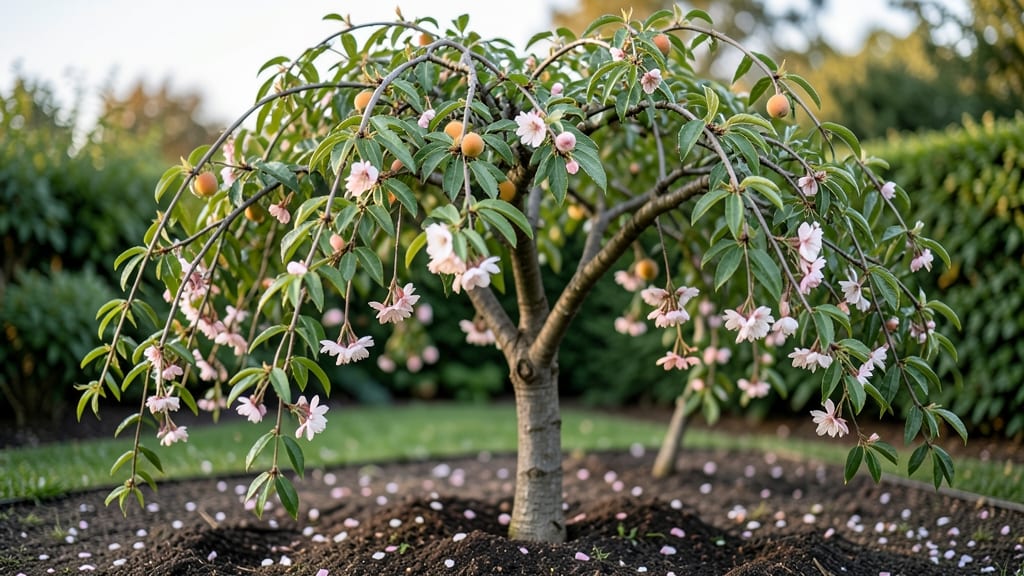
Cold-hardy weeping peach trees thrive best in USDA zones 6 through 9, where they can handle winter chills and still burst into bloom each spring. 🌸 I planted mine in zone 7, and after three winters, it’s proven tougher than I expected—just don’t let those dangling branches touch the ground when they’re heavy with fruit.
The secret to success lies in full sun exposure (at least 6 hours daily) and well-draining soil. Peaches hate soggy roots, so amend heavy clay with compost or plant on a slight mound if your yard stays wet.
The weeping form means branches grow horizontally, so space them 15-20 feet apart from other trees or structures. Pruning in late winter (before buds swell) keeps the tree’s graceful shape while preventing disease. Focus on removing dead wood and thinning crowded branches—just avoid cutting into the main trunk.
With proper care, you’ll get sweet, juicy fruit and a stunning focal point for your yard. Works beautifully in rural yards, suburban backyards, or even large containers (with proper support). Here’s how to keep yours thriving year after year!
📚 In This Guide
- What you need
- Instructions
- Tips and common mistakes
- Wrapping up and next steps
What you need
- ● Pruning shears: Bypass pruners (sharp, clean, and sterilized with rubbing alcohol). Quantity: 1 pair (or 2 for larger branches).
- ● Loppers: Heavy-duty, long-handled (16–24 inches) for thicker branches (½–2 inches in diameter). Quantity: 1 pair.
- ● Pruning saw: Curved blade for branches 2+ inches thick. Quantity: 1.
- ● Gloves: Cut-resistant and gardening-grade (e.g., leather or heavy-duty nitrile). Quantity: 1 pair.
- ● Disinfectant: 70% isopropyl alcohol or bleach solution (1 part bleach to 9 parts water) to sterilize tools between cuts.
- ● Rag or paper towels: For wiping tools and hands.
- ○ Pruning sealant: Optional but helpful for larger cuts (e.g., tree wound paint) to prevent disease. Quantity: Small bottle.
- ● Ladder or step stool: Sturdy and non-slip (extendable if tree is tall). Height: At least 8–10 feet.
- ● Heavy-duty trash bags: For collecting pruned branches. Quantity: 2–3.
- ● Safety gear: Safety glasses and long sleeves/pants to protect from thorns and debris.
- ● Pole pruner: For high branches (extendable up to 12+ feet).
- ● Sharpener: Small file or whetstone to maintain tool sharpness.
- ● Marking twine or flags: To tag branches for removal (useful for complex pruning).
- ● Pruning guidebook: A cold-hardy peach tree reference (e.g., University Extension Service guides).
- ● Mulch: Organic mulch (e.g., wood chips) to replenish after pruning.
Step-by-step guide to pruning cold-hardy weeping peach trees
Cold-hardy weeping peaches need careful pruning to thrive—here’s how to shape them without stressing the tree.
✂️ Step 1: Prune in Late Winter Before Bud Break
Timing is everything with weeping peaches. Wait until late winter when the tree is still dormant but just before buds swell (usually February-March in most cold zones). Pruning too early risks exposing fresh cuts to harsh winter winds, while pruning too late removes growth energy needed for spring recovery.
Start by removing dead, broken, or crossing branches first—these compete for nutrients and create weak entry points for disease. Use clean, sharp pruners to make cuts at a 45-degree angle just outside the branch collar (that swollen area where the branch meets the trunk). This ensures proper healing and prevents unsightly stubs.
☀️ Step 2: Thin Out Overcrowded Branches for Airflow
Weeping peaches grow lush canopies, but too much density invites fungal issues and weakens fruit production. Focus on selective thinning—remove 20-30% of the smallest, interior branches to improve sunlight penetration and airflow. Look for branches growing straight up or inward; these block light and crowd the tree’s structure.
Cut back to a side branch or outward-facing bud to encourage outward growth. Avoid "heading back" (cutting mid-branch)—this creates dense, bushy growth that’s harder to manage later. You’ll know you’ve done enough when you can see light filtering through the canopy and the tree’s framework is clearly visible.
🌱 Step 3: Shape the Weeping Form Gently
The weeping habit of these peaches is their signature, so prune to enhance, not destroy, the natural shape. Focus on lightly trimming the tips of the longest, drooping branches to encourage fuller growth at the ends. Avoid heavy cuts—weeping peaches respond poorly to aggressive pruning and may produce fewer blooms or fruit.
If a branch is growing too upright, shorten it by 1/3 to redirect energy downward. For branches that droop too close to the ground, lift them gently by tying them to a stake (use soft plant ties) until they establish a stronger angle. This prevents future breakage and keeps the tree’s elegant silhouette intact.
💧 Step 4: Clean Up and Protect the Tree After Pruning
Once you’ve finished pruning, sterilize your tools with rubbing alcohol to prevent spreading disease between cuts. Rake up and dispose of all clippings—never leave them under the tree, as they can harbor pests and fungi. For cold-hardy varieties, a light application of dormant oil (if no buds have swollen) helps smother overwintering pests.
Water the tree deeply after pruning to reduce stress. Mulch around the base with 2-3 inches of organic mulch (like wood chips) to retain moisture and regulate soil temperature. Avoid piling mulch against the trunk—keep it 3-4 inches away to prevent rot. This step is critical for cold-hardy trees, as consistent moisture helps them recover faster from winter dormancy.
⏰ Step 5: Monitor and Adjust Through the Growing Season
After pruning, check the tree monthly for signs of stress (yellowing leaves, dieback) or new growth that needs guidance. If you notice suckers (shoots growing from the base or roots), remove them immediately—they drain energy from the main structure. For weeping peaches, light summer pruning (just to shape) is better than heavy cuts, which can stimulate late-season growth vulnerable to frost.
By mid-summer, you’ll see how the tree responds to your pruning. If branches grew too leggy, lightly trim the tips again to encourage bushier growth. Avoid pruning after July—new growth won’t harden off properly before winter, making the tree more susceptible to cold damage. Cold-hardy weeping peaches reward patience, so resist the urge to over-prune.
Tips & tricks for pruning cold-hardy weeping peach trees
Here's what nobody tells you about pruning these delicate trees—tricks that'll keep them thriving for years.
Timing Secret: The February-March window is critical because weeping peaches are particularly sensitive to stress during dormancy. If you're in a colder zone, wait until after the last hard frost but before buds swell. I've seen trees stressed by early pruning develop dieback—don't make that mistake. For extra safety, do a quick bud check: if they're still tight and dormant-looking, you're good to go.
Branch Selection Tip: When thinning those 20-30% of interior branches in Step 2, prioritize branches that are thinner than a pencil or growing straight up. These are the ones causing the most crowding. Look for the classic "V" shape where branches grow away from the center—these are your keepers. Pro tip: Use a small flashlight to check for hidden crossing branches in dense areas you might miss in daylight.
Tool Technique: Your pruners are your most important tool—don't skimp on quality. For clean cuts at the 45-degree angle, I recommend using a bypass pruner (not anvil-type) for weeping peaches. The clean cut helps prevent disease entry. After each cut, wipe your pruners on a clean rag to remove sap—this keeps them sharp longer. And here's a game-changer: mark your pruners with a permanent marker to note which side is the sharp blade when you're working quickly.
Post-Pruning Recovery: That deep watering after pruning isn't just about hydration—it's about helping the tree establish new root growth to compensate for the lost branches. For the first week, water twice weekly (instead of the usual once) to give it a strong start. You'll notice new shoots emerging from the branch collars within 3-4 weeks if your tree is healthy. If you see none after 6 weeks, that's your signal to check for root issues or pests.
Pro Tips for Weeping Peach Tree Zone
- Here's what nobody tells you about pruning these delicate trees—tricks that'll keep them thriving for years.
- Timing Secret: The February-March window is critical because weeping peaches are particularly sensitive to stress dur...
- Branch Selection Tip: When thinning those 20-30% of interior branches in Step 2, prioritize branches that are thinner...
Frequently asked questions
Got questions about pruning your weeping peach tree in cold-hardy zones? You’re not alone!
Here are some of the most common concerns—and straightforward answers—to help you keep your tree thriving.
What’s the best time of year to prune a weeping peach tree in cold climates?
Prune your weeping peach tree late winter or early spring (just before buds swell) to avoid frost damage. Avoid heavy pruning in fall—it can stimulate new growth that won’t survive winter. If you must prune in summer, do it lightly to prevent stress.
How do I protect my weeping peach tree from cold damage after pruning?
Cold-hardy varieties still need extra care! Apply a 3-inch layer of mulch around the base (but not touching the trunk) to insulate roots. Wrap the trunk with tree guard or burlap to shield it from harsh winds. Water deeply before winter to help the tree store moisture.
Can I prune a weeping peach tree too much? What are the signs?
Yes! Over-pruning weakens the tree, making it vulnerable to disease or winter kill. Signs include stunted growth, sparse foliage, or dead branches. Stick to removing no more than 25% of the canopy per year and prioritize dead, diseased, or crossing branches first.
Are there alternatives to weeping peach trees for cold zones?
Consider cold-hardy dwarf peaches (like ‘Contender’ or ‘Reliance’) or Japanese plum trees (e.g., ‘Satsuma’), which tolerate colder temps better. For ornamental options, try weeping cherry trees or ornamental almonds—they’re just as stunning!
Why are my peach tree’s leaves turning yellow after pruning?
Yellowing leaves could signal nutrient deficiency, overwatering, or pest stress (like aphids or spider mites). Check for wilting, spots, or sticky residue—if present, treat with neem oil or adjust your watering. Fertilize lightly in spring with citrus or fruit-tree-specific food to boost recovery.
Pro Tip:
Always sterilize your pruners with rubbing alcohol between cuts to prevent spreading disease. And remember: patience is key—weeping peach trees thrive with gradual shaping!
Wrapping up and next steps
Mastering the art of pruning your weeping peach tree in Zone 5-7 doesn’t have to feel overwhelming—it’s all about patience, timing, and a little love for your tree! 🌳 With the right tools, techniques, and seasonal care, you’ll help your peach tree thrive, ensuring bountiful harvests and stunning blooms for years to come.
Ready to take the next step? Start small—pick one pruning task from this guide and tackle it this season. Over time, you’ll build confidence and watch your tree flourish! 🌟 Explore more pruning tips or share your progress with fellow gardeners for support.